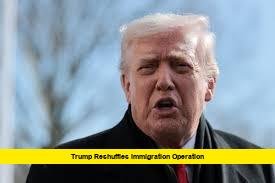

Federal immigration enforcement in Minnesota has entered a new phase as the Trump administration adjusts its strategy following mounting public outcry and political pressure. In a decisive move that signals both damage control and tactical realignment, the president has shifted leadership of the federal immigration push in Minneapolis, placing seasoned enforcement official Tom Homan in charge after hard-line commander Gregory Bovino exited his post. This leadership change comes amid intense debate over enforcement practices, fatal shootings of U.S. citizens by federal agents, and sustained demands from state and local officials for accountability and reduced federal presence.
Federal Enforcement in Flux After Deadly Confrontations
Days before the leadership overhaul, Minneapolis became the center of national attention when two U.S. citizens were killed during federal immigration operations. The operation, known as Operation Metro Surge, deployed thousands of Border Patrol and ICE agents across Minnesota to target undocumented immigrants. The heightened enforcement sparked protests, legal challenges, and bipartisan concern over whether tactics used by federal agents were appropriate and lawful.
In one incident, Alex Pretti, a 37-year-old nurse with no criminal record, was shot and killed by federal officers during an enforcement action. Video and eyewitness accounts contradicted official characterizations of the encounter, deepening public distrust of the federal operation. Authorities confirmed that Pretti’s death was one of multiple fatal shootings tied to Operation Metro Surge, making the Minneapolis engagements among the most controversial domestic immigration enforcement actions in recent U.S. history.
The national reaction has been fierce. There have been protests, including a statewide general strike in Minnesota involving labor unions and community groups, underscoring the depth of community opposition to the operation. These protests have highlighted broad concerns about civil liberties, due process, and the relationship between federal agencies and local communities.
A New Operational Leader on the Ground
Facing this backlash, the administration has replaced Border Patrol commander Gregory Bovino with Tom Homan, a well-known figure in immigration enforcement circles. Homan’s arrival in Minneapolis marks a deliberate shift from aggressive, high-profile tactics toward a posture the White House hopes will be more controlled and less confrontational. The change was publicly acknowledged by senior administration officials and confirmed by state leaders.
Homan met with Minnesota Governor Tim Walz at the state Capitol, where the two discussed the future of the federal presence in the state. Walz, a vocal critic of the operation, emphasized the need for transparent inquiries into fatal incidents involving federal agents and urged a reduction in the number of enforcement officers deployed. The governor also highlighted the importance of restoring trust between communities and law enforcement, a theme that has been central to local objections.
State and city leaders are now engaging more directly with Homan and his team. Minneapolis Mayor Jacob Frey, who has repeatedly condemned the federal operation, also met with Homan to press for significant adjustments to how immigration enforcement is carried out locally. Discussions focused on establishing clearer operational boundaries and ensuring that federal actions do not undermine community safety.
Calls for Investigations and Reduced Federal Presence
State officials in Minnesota have repeatedly called for independent investigations into the shootings that occurred during the federal immigration surge. Both Governor Walz and Minneapolis city leaders have insisted that accountability measures must be put in place if federal agents are to retain any ongoing role in enforcement within the state.
The issue has also become the subject of intense legal scrutiny. Judges in federal court have pressed ICE leadership over compliance with court orders, with at least one federal judge issuing a directive for top ICE officials to appear in person and answer questions about detainees and enforcement practices. These judicial actions reflect broader concerns about how federal enforcement operations have been conducted and whether they have complied with constitutional and statutory requirements.
In another dimension of the federal legal challenge, Minnesota sought to halt the immigration surge altogether, arguing that the scale and tactics of the operation exceeded federal authority and encroached on state sovereignty. During a recent hearing, a government attorney described the state’s request to end the surge as dramatic, while judges pushed back on the feasibility and legal basis for such a sweeping relief.
Federal Government Adjusts Messaging and Tactics
As Homan assumes command, the White House has also sought to temper its public messaging around the operation. President Trump acknowledged the tensions in Minneapolis and signaled a willingness to change course slightly in how federal agents engage with local communities. While emphasizing that federal immigration enforcement will continue, the administration described Homan’s mission as focused on restoring order and reducing tensions between state and federal actors.
This shift in tone represents a noticeable departure from earlier remarks by some federal officials who defended the aggressive tactics used during Operation Metro Surge. The president’s comments suggested a desire to balance enforcement priorities with political realities and public concern, especially from local authorities who have been outspoken in their criticism.
The administration has publicly positioned the leadership change as an effort to improve cooperation and to show responsiveness to legitimate concerns without abandoning enforcement goals outright. Officials have described the situation in Minneapolis as needing a more “collaborative” approach that respects both federal authority and local governance.
Broader Political and Community Reaction
Reactions to the leadership changes and revised strategy are mixed. Many civil rights advocates and community organizers argue that the entire federal operation in Minnesota should be scaled back significantly or ended entirely. They point to the deaths of U.S. citizens, including Pretti and another woman shot during an ICE raid, as evidence that Operation Metro Surge overstepped reasonable enforcement practices.
Local political leaders have echoed these concerns, with Governor Walz and Mayor Frey both pushing for a clear exit strategy for federal agents and asserting that community trust has been severely damaged. Their demands include not only investigations into shootings but also concrete steps to ensure that future actions do not erode civil liberties or jeopardize the safety of residents.
Some state legislators and advocacy groups have also called for structural reforms that would limit the scope of federal immigration enforcement in cities without explicit local cooperation. These proposals reflect a broader national debate over the balance between federal authority and municipal autonomy.
At the same time, supporters of robust federal enforcement maintain that the presence of ICE and Border Patrol agents is necessary to uphold immigration law and protect public safety. These voices argue that law enforcement must be free to pursue criminal actors regardless of immigration status and that local objections should not restrict federal operations.
Diplomatic and International Dimensions
Adding another layer of complexity, an attempted entry by a federal agent into a foreign consulate in Minneapolis prompted formal protest from the affected country’s government. Consular officials reported that an agent tried to enter protected diplomatic territory under unclear circumstances. This incident drew attention to the broader conduct of federal agencies during domestic operations and underscored the international ramifications of border and immigration enforcement policies.
The diplomatic protest highlights how domestic enforcement actions can reverberate beyond U.S. borders and affect international relationships and treaty obligations.
What This Means Going Forward
As Tom Homan leads the recalibrated federal effort in Minnesota, the outcome of ongoing negotiations between state officials and the federal government will be critical. Future meetings between Homan, Governor Walz, and Minneapolis city leaders are expected to shape the next chapter of enforcement operations. Key issues on the table include the number of federal agents deployed, the rules under which they operate, and safeguards for community rights and safety.
Federal courts will also continue to play a central role in adjudicating disputes over the legality of enforcement tactics and compliance with judicial orders. The tension between state demands and federal objectives could influence national policy debates as lawmakers and courts grapple with similar issues in other jurisdictions.
For communities in Minnesota and across the nation, the situation highlights the challenges of navigating immigration enforcement in a deeply polarized environment. How the federal government implements its policies, responds to public criticism, and works with state and local leaders will have lasting implications for trust in law enforcement and for the future of immigration policy more broadly.