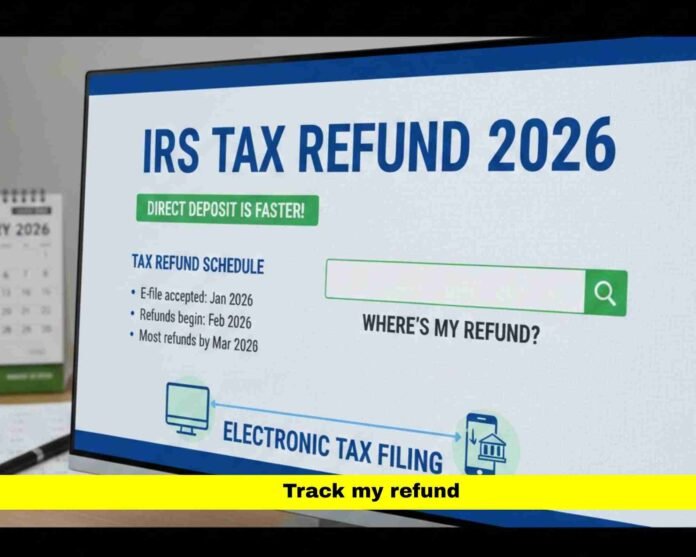

Every year, millions of Americans submit their federal tax returns hoping to receive refunds for overpaid taxes or eligible credits. While the filing process has become more streamlined with electronic submissions, one aspect remains a common concern: how to know when the refund will arrive. With the 2026 tax season underway, understanding the refund process, tracking your return’s progress, and planning finances accordingly are more important than ever. This guide provides a comprehensive look at the journey of a tax refund, what to expect at every stage, and practical tips to ensure a smooth experience.
Why Knowing Refund Status Matters
Knowing where your refund stands is crucial for financial planning. Refunds often represent significant amounts of money for households, covering expenses such as rent, utilities, or unexpected bills. Without visibility into the processing stages, taxpayers can be left uncertain, leading to stress or poor financial decisions. By monitoring progress, individuals can anticipate when funds will be available, resolve potential issues early, and avoid unnecessary delays.
Tracking also helps ensure that returns are processed correctly. Errors in personal information, filing status, or refund calculations can delay payments, so staying informed allows taxpayers to take timely corrective measures.
How the Federal Refund Process Works
The journey of a refund begins when a tax return is submitted and accepted for processing. Acceptance does not indicate approval; it simply confirms that the IRS has received the return and begun preliminary review. The system verifies personal information, income, and deductions to ensure accuracy before approving any payments.
Electronic submissions generally move through this stage faster than paper filings, which require manual handling. Returns with complex income sources, additional credits, or multiple dependents may also take longer to process.
Once a return passes verification, it enters the approval stage. At this point, the refund amount is confirmed, and the IRS schedules the payment. Funds are then either transferred via direct deposit to a bank account or issued as a mailed check.
Stages of Refund Progress
Refund processing can be divided into three main stages:
Return Received: This initial stage indicates the return has been entered into the IRS system and is undergoing verification. The system checks for basic accuracy, completeness, and eligibility for credits. This stage can be brief for simple returns or longer for those with complex filings.
Refund Approved: Once the return is verified, the system confirms the refund amount and schedules the payment. Taxpayers may see an estimated payment date at this stage, signaling that the IRS has completed its review.
Refund Sent: The final stage shows that the refund has been issued. Electronic deposits typically reach bank accounts within a few business days, while mailed checks may take longer due to postal processing.
Expected Timelines for Refunds
Most electronic returns with direct deposit receive refunds within three weeks. This standard timeframe allows the IRS to verify information, approve the refund, and transfer funds securely. Paper filings generally take longer, as they require manual entry and processing.
Filing early in the season can speed up processing. Early filers avoid system congestion that occurs closer to the filing deadline and have more time to address potential issues that could delay payment.
Factors That Can Delay Refunds
Some refunds take longer due to additional review or verification requirements. Returns claiming refundable credits, such as earned income or child tax credits, may experience longer processing times. Mismatched data, missing information, or potential errors can also trigger manual review. Security checks for identity verification are another common reason for delays, designed to protect taxpayers from fraud.
Paper filings and complex returns with multiple forms or adjustments can further extend timelines. Understanding these factors helps manage expectations and reduces frustration during the waiting period.
Benefits of Electronic Direct Deposit
Direct deposit is the fastest and safest method for receiving refunds. Funds reach bank accounts quickly, typically within a few days of approval, and eliminate delays associated with mailing checks. Electronic transfers also reduce the risk of lost or stolen payments and allow taxpayers to access their funds immediately.
Mailed checks, while still available, require additional time for postal delivery. Ensuring that the IRS has a current mailing address is essential to prevent delays or lost payments.
Tracking Tools and Resources
Taxpayers have access to official online tools to monitor refund progress. These platforms provide real-time updates about the status of a return, from acceptance to payment. To use these tools, users must enter personal details such as Social Security number, filing status, and refund amount. Accuracy is critical to receiving the correct information.
Mobile applications offer similar functionality, allowing taxpayers to check updates daily. Notifications and clear status indicators make it easier to stay informed without repeated logins or manual checks.
Amended Returns and Their Processing
Amended returns require a separate process and longer review time. These filings often take months rather than weeks to complete, as they involve manual verification. Refunds from amended returns are tracked using the same systems, but updates are less frequent. Patience and careful documentation are necessary for those submitting corrections or adjustments.
Common Errors That Affect Processing
Several common mistakes can slow down refund processing. Entering incorrect filing status, mistyped Social Security numbers, or inaccurate refund amounts can prevent the system from matching a return. Using outdated information from previous filings may also create issues.
Double-checking all details before submission and during tracking ensures accuracy. If a return cannot be located, it may indicate that processing has not yet started or that verification is required.
Planning Around Refund Arrival
Monitoring the status of a refund helps taxpayers plan financial obligations. Understanding when funds will arrive allows for better management of bills, savings goals, and other expenses. Being aware of potential delays or adjustments prevents reliance on funds before they are officially available.
Impact of Seasonal Filing Volume
Peak filing periods can slow processing, even for electronic returns. Higher system volume during March and April often results in slight delays in status updates. Filing early minimizes the effects of seasonal congestion and allows refunds to progress more efficiently through each stage.
Protecting Personal Information
Refund tracking requires sensitive personal information. Always use official government platforms or authorized mobile apps. Avoid third-party websites or services claiming faster access. Protecting personal data is essential to prevent identity theft and maintain the security of refunds.
Understanding System Limitations
Tracking tools provide clear updates about the status of a refund but cannot detail every internal review step. They do not explain why delays occur unless action is required. Recognizing these limitations helps taxpayers maintain realistic expectations and avoid unnecessary concern.
Tips for a Smooth Refund Experience
- File early to avoid delays from high system volume.
- Double-check personal information and refund details before submission.
- Choose direct deposit to receive funds faster.
- Monitor status daily using official tools or mobile applications.
- Respond promptly if additional verification or information is requested.
By following these steps, taxpayers can navigate the process efficiently and reduce stress during the refund period.
How Refund Monitoring Improves Financial Planning
Knowing the status of a refund allows individuals to plan expenses more effectively. Early awareness of timing and potential delays prevents over-reliance on funds for immediate obligations. It also allows for better budgeting, whether for short-term needs or long-term financial goals. Being informed helps households avoid unnecessary overdrafts, late fees, or financial stress.
Long-Term Benefits of Understanding Refund Processes
Familiarity with refund tracking and timelines has lasting advantages. Taxpayers who understand the process are better prepared in future filing seasons, less likely to make errors, and more confident in managing their finances. Organized records, timely submissions, and awareness of tracking tools make subsequent filings faster and more predictable.
The Broader Role of Refund Transparency
Refund tracking enhances financial transparency and trust in the federal filing process. It empowers taxpayers to monitor their own returns, identify potential errors early, and ensure that refunds are received accurately and on time. Greater visibility benefits both individuals and the overall efficiency of the tax system.
Final Thoughts on Refund Monitoring
Monitoring federal tax refunds has become a standard part of the filing experience. With multiple tools and resources available, taxpayers can gain confidence in the process, anticipate timing, and address any potential issues promptly. Understanding each stage of the refund journey ensures smoother experiences and greater financial control.
Are you waiting for your refund or have you already received it? Share your experience and stay engaged as the tax season continues.