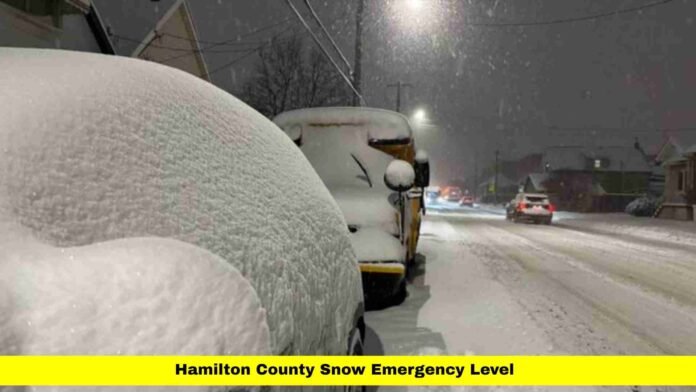

A powerful winter system has transformed daily life across Hamilton County, bringing intense snowfall, dangerous road conditions, and sweeping travel restrictions that have altered routines for residents, businesses, and local services. The situation escalated rapidly as accumulating snow, freezing temperatures, and drifting winds combined to overwhelm road networks and strain public resources.
Local officials moved quickly to protect public safety as conditions worsened, urging residents to remain off the roads and adjust plans until the storm’s effects could be fully addressed. The declaration marked one of the most impactful winter weather responses the county has seen in recent years, reflecting both the severity of the storm and the risks posed to anyone attempting unnecessary travel.
How the Winter Emergency Unfolded
The winter event did not arrive suddenly but intensified steadily over several days. Light snowfall at the outset gave way to heavier bands that persisted through the weekend, covering streets, highways, and neighborhoods in thick layers of snow. As temperatures dropped, the snow compacted and froze, creating slick surfaces that made driving increasingly hazardous.
Wind played a significant role in worsening conditions. Gusts pushed snow across already plowed roads, reducing visibility and forming drifts that blocked lanes and intersections. Even areas that had been cleared earlier in the day quickly became treacherous again, making progress difficult for both drivers and road crews.
By the time officials evaluated the situation, it became clear that standard winter advisories were no longer sufficient. The scale and persistence of the storm required a stronger response to prevent accidents and protect emergency responders.
Why Officials Took Immediate Action
Local authorities base winter travel decisions on several critical factors, including road passability, accident reports, weather forecasts, and the ability of emergency services to operate safely. In this case, all indicators pointed toward heightened risk.
Numerous reports of vehicles sliding off roads, stalled traffic, and reduced stopping ability highlighted the danger. Emergency responders faced delays reaching calls due to blocked routes, while snowplows struggled to keep pace with the ongoing accumulation.
Officials emphasized that restricting travel was not about inconvenience but about preventing serious injuries, protecting first responders, and allowing crews to work efficiently without added hazards from unnecessary traffic.
What Residents Experienced on the Ground
For many residents, the storm brought an abrupt shift in daily routines. Morning commutes vanished as offices closed or transitioned to remote work. Parents adjusted childcare plans as schools suspended in-person instruction. Grocery trips, medical appointments, and social gatherings were postponed as staying home became the safest option.
Neighborhoods took on a quiet, snow-covered stillness as traffic disappeared from normally busy streets. In some areas, residents assisted one another by clearing driveways, sharing supplies, and checking in on elderly neighbors.
While the storm created challenges, it also highlighted a sense of community resilience as people adapted to the conditions together.
Road Conditions and Travel Challenges
Roadways across the county were among the hardest hit. Major thoroughfares required constant attention from plow crews, while side streets remained buried for extended periods. Snow compacted quickly under vehicle weight, creating uneven surfaces that reduced traction even for four-wheel-drive vehicles.
Bridges and overpasses became particularly dangerous due to faster freezing, while hills posed additional risks for vehicles attempting to climb or descend. Visibility dropped significantly during periods of blowing snow, making it difficult to see lane markings or obstacles ahead.
Officials repeatedly stressed that even experienced winter drivers faced unpredictable conditions, reinforcing the need for travel restrictions during the height of the storm.
The Role of Snow Removal Crews
Public works teams operated continuously throughout the event, often in rotating shifts to maintain coverage around the clock. Their primary focus remained on emergency routes, hospital access roads, and major arteries needed for essential travel.
Despite these efforts, the combination of heavy snowfall and drifting snow meant that progress was slower than usual. Crews often had to revisit the same areas multiple times as wind redistributed snow across cleared surfaces.
The work required careful coordination, patience, and endurance, particularly as cold temperatures increased the physical strain on workers and equipment alike.
Impact on Schools and Education
Educational institutions across the county responded swiftly to the hazardous conditions. Many districts canceled classes or shifted to remote learning models to ensure student and staff safety. Transportation challenges played a major role, as school buses could not safely navigate icy roads or reach rural routes.
Administrators communicated closely with families, emphasizing flexibility and understanding during the disruption. While the closures affected schedules, officials agreed that prioritizing safety was essential given the severity of the storm.
The event also reignited discussions about winter preparedness and the growing role of digital learning options during extreme weather.
Business Operations and Economic Effects
Local businesses faced difficult decisions as conditions deteriorated. Retailers weighed employee safety against customer demand, while service providers adjusted hours or closed entirely. Restaurants limited operations or shifted to takeout options where possible, though delivery services were often suspended due to road conditions.
Employers across various industries implemented remote work policies or delayed shifts, acknowledging that travel posed too great a risk. While the storm temporarily slowed economic activity, many businesses emphasized that safety took precedence over short-term losses.
Small business owners expressed hope that normal operations would resume quickly once conditions improved.
Emergency Services Under Pressure
Emergency responders remained on high alert throughout the storm. Firefighters, paramedics, and law enforcement officers navigated difficult conditions to respond to calls involving accidents, medical emergencies, and weather-related hazards.
Response times were affected in some cases due to blocked roads, underscoring why limiting travel was crucial. Each unnecessary vehicle on the road increased the risk of additional incidents and diverted resources from critical needs.
Officials repeatedly reminded residents that staying off the roads helped ensure help would be available when truly needed.
Utilities and Infrastructure Concerns
Heavy snow and cold temperatures raised concerns about potential infrastructure strain. Utility crews monitored power lines and substations for damage caused by snow buildup or wind. While widespread outages were limited, crews remained ready to respond quickly to any disruptions.
Water and heating systems also faced increased demand as residents stayed home and temperatures remained below freezing. Officials encouraged residents to conserve energy where possible and report any issues promptly.
The storm served as a reminder of the interconnected nature of infrastructure and the importance of preparedness during extreme weather.
Weather Conditions Beyond the Snowfall
Even as snowfall began to taper off, the challenges did not immediately disappear. Cold air lingered, preventing rapid melting and allowing ice to persist on road surfaces. Overnight refreezing created additional hazards, particularly on untreated roads and sidewalks.
Forecasts indicated that below-freezing temperatures would continue for several days, prolonging recovery efforts and delaying a return to normal travel conditions. Officials cautioned that patience would be necessary as crews worked through the aftermath.
Community Preparedness and Safety Tips
The winter emergency highlighted the importance of preparedness at both the household and community level. Residents who stocked up on essentials before the storm were better positioned to remain home safely, while those without supplies faced added stress.
Officials encouraged households to maintain emergency kits, including food, water, medications, flashlights, and alternative heating options. Checking on neighbors, especially older adults or those with limited mobility, remained a key recommendation.
Simple actions, such as clearing sidewalks carefully and avoiding unnecessary trips, played a significant role in reducing injuries during the storm.
Communication and Public Awareness
Clear communication proved essential throughout the event. Local authorities used multiple channels to share updates, clarify restrictions, and provide safety guidance. Residents who stayed informed were better able to plan accordingly and avoid risky situations.
Officials emphasized relying on official updates rather than rumors or unverified information circulating online. Accurate, timely communication helped reduce confusion and ensured that residents understood the seriousness of the situation.
When Conditions Are Expected to Improve
Recovery from a major winter storm does not happen overnight. Officials indicated that travel restrictions would remain in place until roads could be cleared consistently and visibility improved. Decisions would be based on on-the-ground assessments rather than fixed timelines.
As conditions stabilize, restrictions are expected to ease gradually, allowing limited travel before a full return to normal traffic patterns. Residents were advised to continue exercising caution even after improvements begin.
Lessons from the Winter Emergency
The storm offered important lessons about readiness, cooperation, and the realities of severe winter weather. It demonstrated how quickly conditions can escalate and why decisive action is sometimes necessary to protect lives.
It also highlighted the dedication of emergency workers, snow removal crews, and utility teams who worked tirelessly under difficult circumstances. Their efforts played a vital role in keeping the community safe during one of the most challenging winter events in recent memory.
Looking Ahead for Hamilton County
As recovery continues, officials will evaluate response efforts to identify areas for improvement. From snow removal strategies to communication methods, the experience will inform future winter preparedness planning.
Residents, too, are encouraged to reflect on what worked well and what could be improved at the household level. Preparedness, awareness, and cooperation remain the strongest defenses against severe weather.
How did this winter emergency affect your area or daily routine? Share your experience and stay informed as conditions continue to improve.