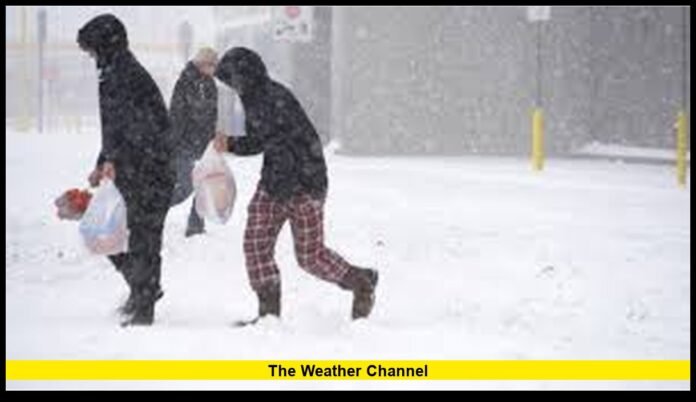

America is experiencing one of the most dynamic and demanding weather seasons in recent years. From powerful winter storms and Arctic air outbreaks to shifting climate patterns and rapidly changing forecasts, millions of people are relying on one trusted national broadcaster for clarity, accuracy, and constant updates. Through television, digital platforms, mobile alerts, and real-time radar, this network continues to shape how the nation understands and prepares for severe weather.
Round-the-Clock National Weather Monitoring
Across the United States, weather conditions are changing faster than ever. Large storm systems now stretch across multiple regions at once, often producing snow in one area, ice in another, and heavy rain farther south. Continuous monitoring allows meteorologists to track these evolving systems from their earliest development over the Pacific or the Gulf of Mexico to their final impact on the East Coast.
Live studios remain active day and night, providing uninterrupted coverage when major systems threaten travel, power infrastructure, or public safety. Viewers receive timely updates as warnings are issued, storm tracks shift, and conditions intensify.
Advanced Forecast Technology and Modeling
Modern forecasting relies on an array of sophisticated tools that process enormous volumes of atmospheric data every hour. High-resolution satellite imagery, Doppler radar, and computer-generated forecast models work together to provide detailed insight into:
- Storm formation and movement
- Precipitation type and intensity
- Wind speed and direction
- Temperature trends and wind chill
- Short-term and extended outlooks
Updated model runs several times per day allow meteorologists to refine snowfall totals, ice projections, and severe weather threats with increasing precision. These frequent updates help emergency managers, transportation agencies, and utility providers plan ahead.
Winter Storm Coverage and Cold Air Outbreaks
This season has brought repeated surges of Arctic air deep into the central and eastern United States. These intrusions have driven temperatures far below normal and created dangerous wind chills across wide areas.
Key focus areas include:
- Heavy snow corridors from the Plains through the Great Lakes and into the Northeast
- Ice-prone transition zones where freezing rain coats roads and power lines
- Subzero wind chills across northern states and parts of the Midwest
- Strong pressure gradients producing high winds and drifting snow
- Rapid temperature swings that increase the risk of flash freezing
Meteorologists continue to emphasize how these cold waves interact with moisture-rich storm systems, producing complex precipitation patterns that can change within hours.
Ice Storm Threats and Infrastructure Impacts
Freezing rain remains one of the most disruptive winter hazards. Even a thin layer of ice can cripple transportation networks and damage power systems. Recent coverage has highlighted:
- Elevated ice accretion in the Ohio Valley and parts of the South
- Increased risk of tree damage and power line failures
- Hazardous driving conditions on bridges and elevated roadways
- Extended restoration efforts following widespread outages
Detailed ice accumulation maps and hourly temperature forecasts help communities anticipate where conditions may shift from snow to sleet or freezing rain.
Wind Events and Coastal Conditions
Strong winds accompany many major weather systems, intensifying hazards across open terrain and coastal zones. Wind advisories and high-wind warnings have been issued for:
- Plains states, where gusts can exceed safe travel thresholds
- Great Lakes regions, where blowing snow reduces visibility
- Atlantic and Gulf coasts, where onshore flow increases surf and erosion risks
- Mountain passes, where crosswinds affect trucking and aviation
Wind chill values during cold outbreaks further heighten exposure risks, making public safety messaging a key part of ongoing coverage.
Flood Monitoring and Snowmelt Concerns
While winter storms dominate headlines, hydrologists are also watching river basins closely. In areas where temperatures rise quickly after heavy snowfall, rapid melting can lead to:
- Elevated stream and river levels
- Ice jam formation
- Urban drainage issues
- Localized flooding in low-lying communities
Forecasters integrate snowpack data, soil moisture conditions, and temperature trends to assess runoff potential and issue early alerts when necessary.
Severe Weather Beyond Winter
Although cold-season storms currently command attention, long-range outlooks also examine the transition toward spring. This includes monitoring:
- Increasing thunderstorm activity in the southern states
- Early season tornado potential in traditional storm corridors
- Shifts in jet stream patterns that influence storm frequency
- Moisture return from the Gulf of Mexico
Seasonal outlooks provide guidance on temperature trends, precipitation anomalies, and the likelihood of above-normal severe weather activity.
Localized Forecasting for Communities
One of the defining strengths of national weather coverage lies in its ability to deliver local detail. Viewers and app users can access:
- City-specific hourly forecasts
- Neighborhood-level radar imagery
- School closing and delay information
- Travel impact assessments
- Customized alert settings
This hyper-local approach ensures that families, commuters, and businesses receive information tailored to their exact location.
Mobile Alerts and Digital Reach
Weather information now travels with people wherever they go. Through smartphones, tablets, and connected devices, users receive:
- Push notifications for warnings and advisories
- Real-time lightning and storm tracking
- Minute-by-minute precipitation updates
- Interactive forecast maps
- Video briefings from on-air meteorologists
This constant connectivity plays a critical role during fast-moving events such as severe thunderstorms, flash floods, and winter squalls.
Aviation and Transportation Support
Airlines, airports, and highway agencies rely heavily on accurate forecasting. Coverage includes detailed analysis of:
- Snowfall rates affecting runway operations
- Freezing rain potential during takeoff and landing windows
- Crosswind thresholds at major hubs
- Visibility reductions during fog and blowing snow
- Storm timing relative to peak travel periods
These insights help minimize disruptions and enhance passenger safety during adverse conditions.
Climate Patterns and Long-Term Trends
Beyond daily forecasts, ongoing analysis of climate drivers provides context for unusual weather behavior. Key elements under observation include:
- El Niño and La Niña cycles and their influence on storm tracks
- Arctic oscillation phases and cold air transport
- Jet stream variability and blocking patterns
- Ocean temperature anomalies
- Long-term temperature and precipitation trends
Understanding these large-scale patterns helps explain why certain regions experience repeated storm impacts while others remain relatively quiet.
Public Safety and Preparedness Messaging
Clear communication remains central to weather coverage. During high-impact events, emphasis is placed on:
- Travel safety recommendations
- Power outage preparedness
- Cold exposure precautions
- Flood safety awareness
- Tornado and severe storm shelter guidance
These messages are designed to be straightforward, timely, and easily understood by audiences of all ages.
Visual Storytelling and On-Scene Reporting
Field teams often deploy to areas experiencing the most extreme conditions. Live reports from snow-covered highways, ice-damaged neighborhoods, and coastal communities provide viewers with:
- Real-world perspective on storm impacts
- Visual confirmation of forecast conditions
- Interviews with emergency officials
- Updates on recovery and restoration efforts
This combination of studio analysis and on-scene reporting strengthens public understanding of evolving situations.
Educational Role and Weather Literacy
In addition to daily forecasting, educational segments explain how weather systems form and behave. Topics frequently covered include:
- How snow bands develop
- Why ice storms form in narrow temperature ranges
- The mechanics of wind chill
- The role of atmospheric pressure
- Seasonal shifts in storm patterns
Improving weather literacy helps viewers make informed decisions and better interpret forecast information.
Trust Built Through Consistency
Decades of continuous broadcasting have established a reputation for reliability. During hurricanes, blizzards, heat waves, and severe thunderstorms, the network has served as a primary information source for:
- Households
- Emergency managers
- Schools and universities
- Transportation agencies
- Businesses and utilities
This long-standing presence has built a deep level of public trust.
Looking Ahead to the Remainder of the Season
Forecast models suggest that active patterns will continue in the coming weeks. Periods of cold air are expected to alternate with milder intervals, while storm systems will track along established temperature boundaries. Meteorologists will continue to monitor:
- The frequency of snow and ice events
- The potential for rapid warmups and melt
- The transition into early spring storm activity
- Ongoing climate influences shaping regional conditions
As the atmosphere remains in flux, timely updates and expert interpretation will remain essential for navigating what lies ahead.
Stay connected, share your local weather experiences, and keep following the latest updates so you can stay informed and prepared as conditions continue to evolve.