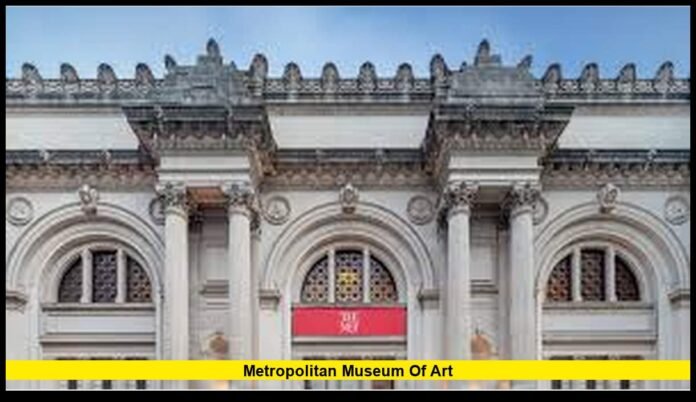

The metropolitan museum of art is experiencing one of the most dynamic periods in its modern history, marked by major institutional changes, ambitious exhibitions, expanded performance programming, and significant developments affecting its workforce. As 2026 unfolds, the iconic New York museum is not only reinforcing its role as a global cultural leader but also reshaping how it operates, presents art, and connects with the public.
From historic labor milestones to large-scale gallery expansions and an ambitious calendar of exhibitions and live events, the museum’s direction reflects a broader transformation within the American cultural landscape.
A Defining Moment for Museum Employees
One of the most consequential developments at the museum this year has been the successful unionization of a wide range of staff members across numerous departments. Employees spanning curatorial teams, conservation, visitor services, archives, libraries, digital media, education, and administration voted overwhelmingly in favor of forming a union.
The vote followed years of organizing efforts and conversations around workplace equity, compensation, transparency, and job security. The result signaled strong collective support for structured representation and a desire for a more formal voice in shaping working conditions.
This milestone places the institution among a growing number of major cultural organizations where staff are seeking long-term stability, clearer career pathways, and stronger protections in an industry long known for demanding workloads and competitive employment conditions.
Expanding the Role of Live Performance
In 2026, the museum continues to broaden its identity beyond traditional gallery viewing through an expanded live performance program. The MetLiveArts series has become a cornerstone of this effort, bringing world-class musicians, dancers, and interdisciplinary performers into the museum’s historic spaces.
Concerts featuring rare instruments from the museum’s collection allow audiences to hear the sounds of centuries-old craftsmanship in settings surrounded by corresponding works of art. Pianists, chamber ensembles, and solo performers are presenting programs that explore the relationship between visual art, history, and music, offering immersive experiences that blur the boundaries between exhibition and performance.
At The Met Cloisters, site-specific performances are using medieval architecture and gardens as stages for contemporary artistic interpretation, creating unique encounters that connect the past with present-day creative expression.
These initiatives reflect the museum’s commitment to engaging visitors in multisensory ways and positioning performance as an essential part of its cultural mission.
Major Exhibitions Shaping the 2026 Calendar
A central highlight of the year is the opening of a major spring exhibition by The Costume Institute, exploring the relationship between fashion, the human form, and artistic expression across history. The exhibition will occupy newly developed gallery spaces near the Great Hall, providing an expansive environment for garments, accessories, and related artworks to be displayed in dialogue.
The accompanying annual gala, held each spring, continues to draw global attention and support for the museum’s programming, reinforcing the role of fashion as a serious artistic and cultural discipline.
In parallel, the museum is presenting exhibitions connected to the upcoming 250th anniversary of the United States. These shows examine visual culture surrounding the Revolutionary era, including political prints, paintings, and objects that reveal how art shaped public identity during the nation’s founding period.
Panel discussions, lectures, and special programs connected to these exhibitions bring historians, artists, and filmmakers into conversation with curators, allowing visitors to explore how art reflects social change and national memory.
New Galleries and Enhanced Visitor Experience
The physical transformation of the museum is also a major focus in 2026. Newly renovated and expanded gallery spaces are being introduced to improve circulation, accessibility, and the presentation of large-scale exhibitions.
The reimagined Costume Institute galleries represent one of the most significant additions, offering purpose-built rooms designed to support innovative exhibition design, advanced conservation requirements, and higher visitor capacity. These upgrades enhance both the aesthetic and practical experience of navigating one of the world’s most visited museums.
Additional improvements across the campus aim to modernize lighting, climate control, and interpretive signage, ensuring that artworks are displayed in optimal conditions while remaining accessible and engaging for diverse audiences.
Education, Research, and Public Programs
The museum’s educational mission remains central to its identity. In 2026, expanded lecture series, gallery talks, digital learning initiatives, and family programs continue to connect art with broader cultural and historical contexts.
Scholars and curators are leading in-depth explorations of collection highlights, while educators are developing new resources for students and teachers nationwide. These programs emphasize critical thinking, visual literacy, and historical awareness, reinforcing the museum’s role as an educational institution as much as a cultural destination.
Digital platforms further extend the museum’s reach, offering virtual access to exhibitions, performances, and scholarly content for audiences who may not be able to visit in person.
The Metropolitan Museum of Art as a Cultural Barometer
Together, these developments illustrate how the metropolitan museum of art is responding to changing expectations in both the cultural sector and the workplace. The unionization of staff reflects evolving labor standards. The expansion of live performance signals a commitment to interdisciplinary creativity. New exhibitions and galleries demonstrate continued investment in scholarship, preservation, and public engagement.
The museum’s ability to balance tradition with innovation remains central to its global reputation. By honoring centuries of artistic achievement while embracing contemporary voices and institutional change, it continues to serve as a mirror of cultural values and a platform for dialogue.
As 2026 progresses, visitors will encounter a museum that is not static but actively redefining what a world-class cultural institution can be in the modern era.
Stay connected and share your thoughts as the Metropolitan Museum of Art continues to evolve and inspire in the year ahead.