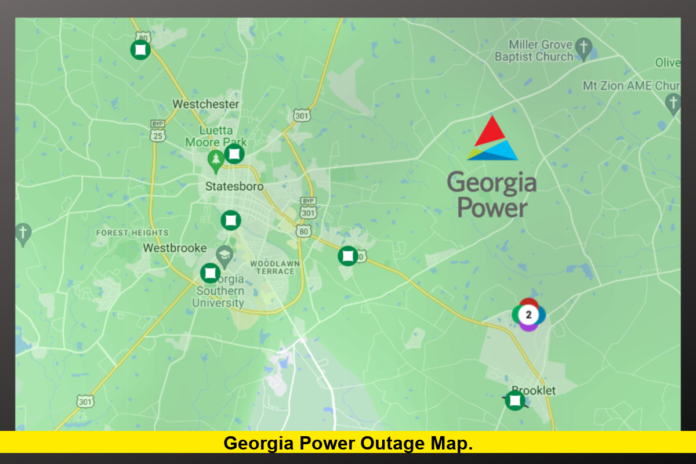

As a powerful winter system moves across the Southeast, the georgia power outage map is showing active and changing power disruptions across large parts of the state. Thousands of customers are experiencing service interruptions as freezing rain, ice buildup, and falling temperatures strain electrical infrastructure. Real-time outage tracking now plays a critical role for households, businesses, and emergency planners trying to understand where power is down and when it may return.
This report provides a clear, factual overview of current outage conditions in Georgia, how the outage map works, where impacts are concentrated, what restoration crews are doing, and how residents can stay safe and informed during extended power interruptions.
Statewide Power Outage Overview
Power interruptions are currently affecting multiple regions of Georgia, with the highest concentrations in North and Metro Atlanta areas. Suburban and rural counties alike are reporting service disruptions, particularly in communities where ice accumulation has weighed down trees and power lines.
Outages are being tracked continuously as weather conditions evolve and damage assessments progress. Customer totals fluctuate throughout the day as some areas regain service while new outages are reported due to falling limbs, snapped lines, and equipment stress caused by freezing conditions.
Urban centers, including parts of the Atlanta metropolitan area, are seeing clusters of outages tied to overloaded circuits and weather-related line damage. Mountain and foothill regions are facing additional challenges due to difficult terrain and heavier ice buildup, which can slow access for repair crews.
How the Georgia Power Outage Map Works
The Georgia Power outage map is an interactive digital tool that displays current power interruptions across the state in near real time. It uses system monitoring data, customer reports, and field crew updates to show:
- The number of customers affected in each area
- Approximate outage boundaries
- Status of restoration work
- Estimated times for service to be restored, when available
Users can search by address, ZIP code, or city to see whether their location is affected. The map refreshes frequently, reflecting new outages and progress as crews repair damaged equipment.
The system is designed to give residents a clear picture of where outages are concentrated and how restoration is progressing, especially during large-scale weather events when conditions change rapidly.
Weather Conditions Driving Current Outages
The current wave of outages is being driven by a winter storm system bringing freezing rain, sleet, and subfreezing temperatures across much of Georgia. Ice accumulation is one of the most damaging weather threats to power infrastructure because it adds significant weight to trees and overhead lines.
As branches bend and break under the weight of ice, they often fall onto distribution lines, causing them to snap or short-circuit. Entire spans of line can come down when large trees uproot, particularly in wooded neighborhoods and rural corridors.
Cold temperatures also increase electricity demand as households rely more heavily on heating systems. This higher load can strain equipment already impacted by weather, contributing to localized failures.
Counties Seeing the Highest Impact
While outages are being reported across many parts of the state, the highest concentrations are currently in:
- Northern Georgia counties exposed to heavier ice accumulation
- Metro Atlanta suburbs with dense tree cover
- Mountain communities where terrain complicates access and repair
In these areas, clusters of hundreds or even thousands of customers may be affected simultaneously, requiring coordinated, large-scale restoration efforts.
Urban centers benefit from more redundant infrastructure and faster access for crews, but dense populations mean that even a single damaged substation or major feeder line can affect a large number of customers at once.
How Restoration Is Prioritized
Georgia Power follows a structured restoration process during major outage events. The approach is designed to return electricity to the greatest number of people in the shortest possible time while protecting public safety.
The general priority order includes:
- Critical infrastructure – Hospitals, emergency services, water treatment plants, and public safety facilities
- Major transmission and substations – Restoring these allows power to flow to large sections of the grid
- Large customer groups – Main distribution lines serving thousands of homes
- Smaller neighborhoods and individual service lines – Localized repairs that affect fewer customers
Crews must first make damaged areas safe by clearing fallen trees, securing broken poles, and ensuring downed lines are not energized. Only then can permanent repairs begin.
Why Some Outages Last Longer Than Others
Not all outages are equal in complexity. Some are resolved quickly by resetting equipment or replacing a fuse. Others require:
- Rebuilding damaged poles
- Replacing long spans of wire
- Removing large fallen trees
- Accessing remote or icy locations
In mountainous or rural areas, heavy equipment may take longer to reach damaged sites. Icy roads and unsafe conditions can delay work until crews can operate safely.
Widespread ice damage can also create a shortage of available repair resources, requiring mutual-aid crews from other regions to assist once travel conditions allow.
Using the Outage Map to Stay Informed
Residents can use the outage map to:
- Confirm whether their location is affected
- Track the number of customers impacted nearby
- View restoration status updates
- Monitor changes as repairs progress
The map often shows estimated restoration times once crews assess the damage. These estimates may change as new information becomes available or if additional damage is discovered.
During large events, restoration times are typically updated in stages as field inspections continue and repair plans are finalized.
Safety During Power Outages
Extended power outages during freezing weather create serious safety concerns. Residents should take precautions to avoid additional hazards, including:
- Carbon monoxide poisoning from using generators, grills, or propane heaters indoors
- Fire risk from candles and improvised heating sources
- Hypothermia if indoor temperatures drop too low
- Electrical danger from downed or exposed power lines
Generators should always be used outdoors and far from windows or doors. Downed lines should be assumed live and reported immediately, never approached.
Keeping emergency supplies such as blankets, flashlights, batteries, and non-perishable food on hand is essential during winter outages.
How Outage Data Is Updated
Outage numbers change frequently because restoration and new damage occur simultaneously during severe weather. Data displayed on the map comes from:
- Automated monitoring systems
- Smart meters
- Customer outage reports
- On-site assessments by field crews
This combination allows the system to reflect conditions quickly, though some delays may occur in areas with communication disruptions or difficult access.
The Broader Importance of Real-Time Outage Tracking
The outage map is not just a customer convenience tool. It also supports:
- Emergency management coordination
- Resource deployment planning
- Public safety decision-making
- Infrastructure assessment
During large winter storms, this real-time visibility helps utilities and local authorities prioritize repairs and communicate effectively with affected communities.
What Residents Can Expect in the Coming Days
As temperatures fluctuate and ice begins to melt, some damaged lines and trees may become more visible, allowing crews to complete permanent repairs. However, melting ice can also cause additional branches to fall, potentially creating new outages.
Restoration will continue in phases, with progress depending on weather conditions, road safety, and the extent of structural damage to the electrical network.
The georgia power outage map will remain the primary source for tracking these changes, offering the most up-to-date view of where service has been restored and where work is still underway.
Preparing for Future Weather-Related Outages
Severe winter weather is not common across all of Georgia, but when it occurs, it can be highly disruptive. Long-term preparedness includes:
- Keeping emergency kits updated
- Maintaining backup heating options that are safe and properly vented
- Trimming trees near power lines
- Staying informed through real-time outage tracking tools
Understanding how to read and use the outage map empowers residents to make timely decisions for their families and businesses during extreme conditions.
Stay connected, check back for updates, and share your experience in the comments as restoration continues across the state.