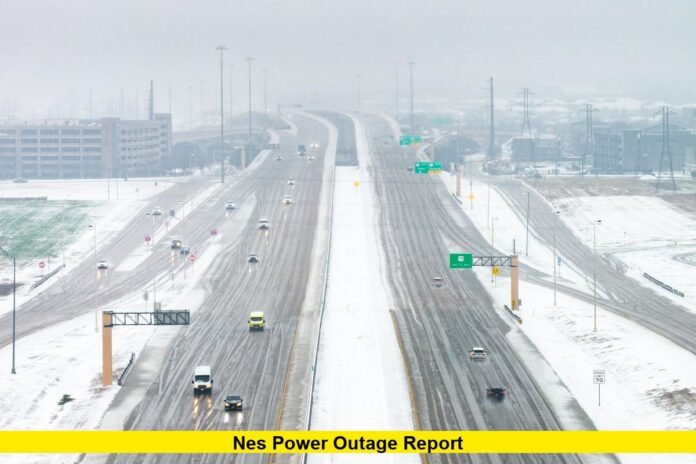

The latest nes power outage report! confirms that thousands of customers across the Nashville metropolitan area experienced widespread power interruptions as a winter weather system moved through Middle Tennessee, placing heavy strain on local electrical infrastructure and triggering a large-scale restoration response.
Early Sunday morning, utility system data showed a sharp spike in service disruptions compared with the previous evening. Nearly 6,000 homes and businesses were without electricity, marking one of the most significant outage events of the season so far. The sudden increase highlighted how rapidly winter conditions can impact power delivery, even when storms are not considered extreme by regional standards.
Extent of the Outages
The affected customers were spread across multiple neighborhoods in Nashville and surrounding suburbs within the Nashville Electric Service coverage area. Reports indicated that outages ranged from small clusters of a few dozen customers to larger pockets involving several hundred at a time.
Many residents reported losing power overnight, with some waking to dark homes, inactive heating systems, and disrupted internet and mobile service. Traffic signals in certain intersections also went offline, prompting caution during early morning travel.
Utility control centers confirmed that the number of outages rose sharply within a few hours, pointing to weather-related stress on overhead lines and equipment.
Weather Conditions Behind the Disruptions
The outages occurred during a period of freezing temperatures, gusty winds, and lingering moisture from a winter storm system. These conditions can affect power delivery in several verified ways:
- Ice buildup on lines and equipment increases weight and tension.
- Tree limbs weakened by cold and moisture can snap and fall onto distribution lines.
- Wind-driven contact between lines and vegetation can trigger protective shutdowns.
- Rapid temperature drops can cause mechanical stress on aging components.
While not every outage was traced to a single cause, field assessments confirmed that weather-related damage and protective system responses played a central role in the widespread service loss.
Restoration Efforts Underway
In response to the surge in outages, utility crews were deployed across the region to inspect lines, replace damaged equipment, and safely restore service. Restoration work during winter events follows a strict priority order:
- Transmission lines and substations
- Circuits serving critical facilities such as hospitals and emergency centers
- Main distribution lines
- Smaller neighborhood lines and individual service drops
Crews worked in rotating shifts to maintain continuous operations, with additional personnel placed on standby in case weather conditions worsened or new outages emerged.
Impact on Homes and Daily Life
Power outages during cold weather affect far more than lighting and electronics. Residents reported disruptions to:
- Home heating systems
- Refrigeration and food storage
- Remote work and online schooling
- Medical devices requiring electricity
- Traffic flow and street lighting
For vulnerable populations, including the elderly and those with medical needs, extended outages can pose serious risks. Local emergency services remained on alert to respond to calls related to cold exposure and electrical hazards.
Safety Measures for Affected Residents
During confirmed outage events, public safety officials and utility engineers consistently advise the following precautions:
- Keep refrigerators and freezers closed to preserve food.
- Use generators only outdoors and away from buildings.
- Never use grills or fuel heaters indoors.
- Avoid all downed or low-hanging power lines.
- Unplug sensitive electronics to prevent damage when power returns.
- Check on neighbors who may need assistance, especially in cold conditions.
These steps reduce the risk of injury, fire, and equipment damage while restoration work continues.
System Monitoring and Infrastructure Review
After large-scale outages, engineers conduct detailed system inspections to identify failure points and areas needing reinforcement. This includes:
- Reviewing circuits that tripped offline
- Assessing tree-trimming zones
- Evaluating aging poles and transformers
- Analyzing weather-related fault patterns
Such reviews guide maintenance planning and long-term grid hardening projects aimed at improving reliability during future storms.
Ongoing Updates and Customer Communication
Throughout the outage event, customers received status updates through outage maps, automated alerts, and restoration time estimates. Utility operations centers monitored system performance in real time, adjusting crew assignments as new problem areas were identified.
As conditions stabilized, the total number of customers without power began to gradually decline, indicating steady progress in restoration efforts.
Why Winter Outages Can Escalate Quickly
Cold-season outages often spread faster than summer storm outages due to:
- Frozen ground slowing pole replacement
- Ice making line repairs more hazardous
- Short daylight hours reducing visibility
- Higher heating demand increasing load on equipment
These factors mean that even moderate winter storms can produce outage patterns similar to those caused by stronger summer thunderstorms.
Community Preparedness Moving Forward
Energy experts emphasize that residents should prepare in advance for winter power interruptions by:
- Keeping emergency kits with flashlights and batteries
- Maintaining backup charging options
- Storing bottled water and shelf-stable food
- Having warm blankets and layered clothing available
- Knowing how to safely shut off electrical breakers if needed
Preparation reduces risk and stress when outages occur and allows households to remain safe until full service is restored.
The confirmed data from this event shows how quickly winter weather can disrupt electrical service and how critical rapid restoration efforts are for public safety and daily life.
Share your experience and stay connected for the latest developments as restoration continues across the region.