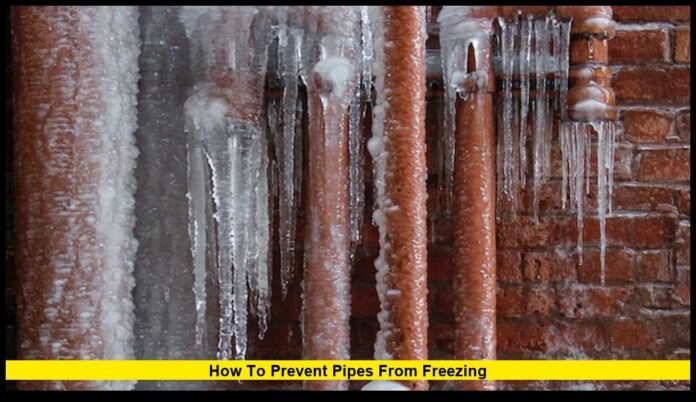

How to prevent pipes from freezing is a critical issue for homeowners across the United States as colder, longer-lasting winter systems continue to stress residential plumbing. Recent freeze warnings, record overnight lows in multiple regions, and a sharp rise in winter-related water damage claims have reinforced the need for reliable, proven prevention methods that work in real homes, not theory.
Frozen pipes are no longer limited to northern states. Sudden temperature drops in southern and coastal areas have caused widespread plumbing failures, leaving homeowners facing costly repairs, water loss, and structural damage. Preventing frozen pipes is now a year-round planning priority rather than a seasonal afterthought.
Why Frozen Pipes Remain a Growing U.S. Problem
Frozen pipes continue to affect more households each winter because the conditions that cause them are becoming more common and more unpredictable. Pipes freeze when water inside them reaches 32°F and turns to ice. As the water freezes, it expands outward, placing intense pressure on the pipe walls. Most plumbing systems fail not at the visible frozen spot, but at a weaker section between the ice blockage and a closed faucet, where pressure has nowhere to escape. When temperatures rise and the ice melts, that weakened area often ruptures, releasing large volumes of water in a short time.
Several nationwide trends have increased the frequency of these failures. Extended periods of below-freezing temperatures now occur in many regions that previously experienced only brief cold spells. These longer freezes give cold air enough time to penetrate walls, floors, and crawl spaces where pipes are commonly routed. In older homes, aging plumbing materials and limited insulation further increase vulnerability, especially when pipes were installed before modern cold-weather building standards.
Energy-saving habits have also contributed to the problem. Many homeowners lower thermostats aggressively at night or while away to reduce heating costs. While these adjustments may seem minor, they can allow temperatures around pipes to drop quickly, particularly in exterior walls and unheated areas. Even a few hours of reduced heat can be enough to freeze standing water in exposed lines.
Another major factor is housing development in regions not historically designed for deep freezes. Homes in warmer states often have plumbing located in attics, garages, or exterior walls with minimal insulation. When sudden cold snaps occur, these systems lack built-in protection against freezing temperatures.
Recent winter weather patterns have shown that short but intense cold events can be just as damaging as prolonged freezes. When homes are unprepared, even a single night of extreme cold can result in frozen or burst pipes, leading to costly repairs and widespread water damage.
Understanding Which Pipes Freeze First
Some pipes face far greater exposure than others. Identifying these vulnerable areas early allows homeowners to act before damage occurs.
High-risk pipes include:
- Plumbing located in exterior walls
- Pipes in unheated basements, crawl spaces, and attics
- Water lines running through garages
- Outdoor spigots and hose bibs
- Supply lines near foundation vents
Homes with slab foundations can also face hidden pipe freezing beneath floors when cold penetrates the concrete.
Maintain Safe Indoor Temperatures at All Times
Consistent indoor heat is one of the strongest defenses against frozen plumbing. Allowing temperatures to dip too low overnight or while away creates ideal conditions for freezing.
Keep thermostats set to at least 55°F during cold weather. This applies even when traveling for short periods. Sudden heating system shutdowns during freezing weather account for a significant portion of winter plumbing failures.
Opening interior doors helps warm air reach plumbing located behind cabinets and inside walls.
Insulating Pipes Makes a Measurable Difference
Pipe insulation remains one of the most cost-effective ways to prevent freezing. Foam sleeves, fiberglass wraps, and pre-slit insulation products reduce heat loss and slow temperature drops around pipes.
Focus insulation efforts on:
- Pipes along exterior walls
- Plumbing beneath sinks
- Lines in crawl spaces and basements
- Water supply pipes entering the home
Insulation works best when combined with air sealing to block cold drafts.
Seal Drafts That Bring Cold Air Inside
Cold air infiltration often freezes pipes faster than outdoor temperature alone. Even well-heated homes can experience freezing when drafts blow directly onto plumbing.
Check for air leaks around:
- Foundation penetrations
- Basement windows
- Crawl space vents
- Utility entry points
Caulking, spray foam, and weatherstripping reduce both freezing risk and heating costs.
Why Letting Faucets Drip Can Help
During extreme cold, allowing a faucet to drip slightly can prevent pressure buildup inside pipes. Moving water freezes more slowly than stagnant water.
This approach is most useful when:
- Temperatures remain below freezing overnight
- Wind chills reach dangerously low levels
- Power outages affect heating systems
Choose faucets served by pipes that run through exterior walls or unheated spaces.
Outdoor Plumbing Requires Early Preparation
Outdoor plumbing failures account for a large share of winter water damage. Hoses left connected to spigots trap water inside pipes, increasing freeze risk.
Before winter:
- Disconnect all garden hoses
- Shut off interior valves feeding outdoor faucets
- Drain remaining water from exterior lines
- Install insulated faucet covers
Homes with irrigation systems must ensure sprinkler lines are fully drained to avoid underground pipe breaks.
Cabinet Doors and Hidden Pipes Matter
Kitchen and bathroom sinks often conceal plumbing behind closed cabinets. During freezing weather, warm air cannot reach these pipes.
Open cabinet doors at night to allow heat to circulate. This simple step is especially important for sinks located on exterior walls.
Remove stored items that block airflow around pipes.
Know the Location of Your Main Water Shutoff
Fast action limits damage if a pipe freezes or bursts. Every homeowner should know exactly where the main water shutoff valve is located.
Common locations include:
- Basements near the foundation wall
- Crawl spaces near the front of the home
- Utility rooms close to the water heater
- Outdoor meter boxes
Test the valve periodically to ensure it turns easily when needed.
What To Do When Pipes Freeze
When a pipe freezes, acting quickly and safely can significantly reduce the risk of bursting and water damage. The first step is to turn on the affected faucet. Even a small trickle helps relieve pressure inside the pipe and allows melting ice to escape once it begins to thaw. Keep the faucet open throughout the process.
Next, apply gentle, controlled heat to the frozen section of the pipe. Start heating from the area closest to the faucet and work your way toward the frozen spot. This method allows melting ice to move out gradually rather than trapping pressure behind it. Safe heat sources include:
- A hair dryer set to medium heat
- An electric heating pad wrapped around the pipe
- Warm towels soaked in hot water and applied repeatedly
Maintain steady heat and be patient. Rapid temperature changes can stress pipe materials, especially in older plumbing systems.
Never attempt to thaw pipes using open flames, propane heaters, charcoal grills, or blowtorches. These methods pose serious fire risks and can weaken or crack pipes, even if they appear intact at first. Fire-related damage often exceeds the cost of the original plumbing issue.
If no water flows from the faucet after applying heat, or if you cannot locate the frozen section, shut off the main water supply immediately. This step prevents sudden flooding if the pipe ruptures once it thaws. After shutting off the water, contact a licensed plumber to assess the situation safely.
In cases where pipes freeze repeatedly, it often signals poor insulation, air leaks, or exposure to extreme cold. Addressing those underlying issues after the immediate problem is resolved helps prevent future emergencies.
Insurance Implications Homeowners Should Know
Many insurance policies cover damage from burst pipes, but coverage often depends on whether reasonable steps were taken to maintain heat. Homes left without heat during freezing weather may face denied claims.
Insurers increasingly emphasize preventative care, especially during extended cold events. Keeping documentation of maintenance and heating use can help if a claim becomes necessary.
Technology Is Changing Pipe Protection
Smart home devices now play a growing role in preventing water damage. Leak detectors, temperature sensors, and automatic shutoff valves alert homeowners before freezing leads to rupture.
Some systems monitor water flow and shut off supply when abnormal usage suggests a burst pipe. These tools are especially valuable for second homes or frequent travelers.
Adoption of these systems has increased following recent winter emergencies.
Apartment and Rental Considerations
Renters face many of the same risks as homeowners. Keeping heat on and reporting drafts or leaks promptly is essential.
Landlords are generally responsible for maintaining building systems, but tenants must maintain safe indoor temperatures. Allowing a unit to drop too cold can increase liability if damage occurs.
Communication during cold weather protects both property and occupants.
Regional Differences Across the United States
Cold-weather preparation varies by region. Northern states often build homes with insulation and pipe placement designed for freezing temperatures. Even so, extreme cold still causes failures.
Southern and coastal states face higher risk during rare but intense cold events. Plumbing systems there may lack insulation or freeze-resistant design.
Mountain regions often experience prolonged freezing, increasing strain on exposed pipes.
Long-Term Improvements That Reduce Risk
Permanent upgrades can dramatically lower the chances of frozen pipes.
Effective upgrades include:
- Relocating pipes away from exterior walls
- Adding insulation to crawl spaces and basements
- Installing frost-free outdoor faucets
- Upgrading outdated plumbing materials
These improvements reduce both freeze risk and long-term maintenance costs.
Why Prevention Is More Important Than Repair
Water damage from frozen pipes often extends beyond plumbing. Walls, flooring, insulation, and personal belongings can suffer extensive damage.
With winter weather patterns becoming less predictable, understanding how to prevent pipes from freezing has become essential for protecting homes, budgets, and peace of mind.
Staying proactive now can prevent costly emergencies later—share your thoughts below and check back for ongoing winter home safety updates.