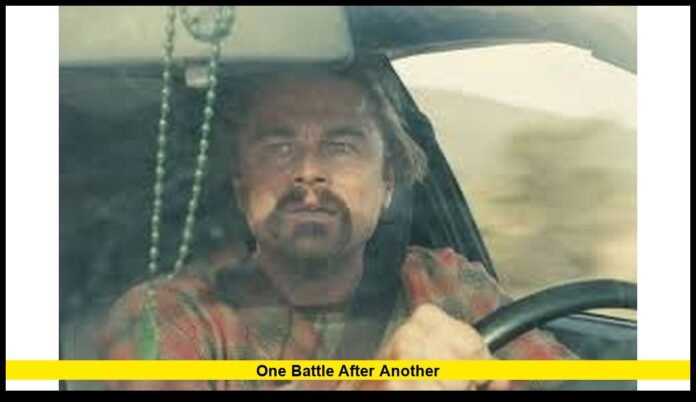

One battle after another has become one of the most discussed titles in American cinema as Paul Thomas Anderson’s latest feature continues to shape awards season, audience conversation, and critical rankings across the United States in early 2026. The film’s combination of political tension, emotional storytelling, and high-profile performances has placed it at the center of both industry recognition and public debate.
From major award nominations to sustained box office performance, the movie’s presence has extended well beyond its theatrical release. It is now widely viewed as one of the defining American films of the current year, not only for its technical craftsmanship but also for its willingness to confront themes that resonate strongly with today’s social and political climate.
A Story Built on Conflict and Consequence
At the heart of One Battle After Another is the story of Bob Ferguson, a former revolutionary who believed his days of confrontation were behind him. When a powerful military figure begins targeting him and his daughter, Ferguson is forced back into a world he tried to leave, confronting both external enemies and the unresolved choices of his past.
The film moves between intense action sequences and quieter, emotionally driven moments. This balance allows the audience to understand not only the scale of the conflict but also its personal cost. The father-daughter relationship anchors the story, turning what could have been a purely political thriller into a deeply human drama about protection, regret, and responsibility.
Rather than presenting simple heroes and villains, the narrative explores how ideology, loyalty, and fear shape people’s decisions. The result is a layered story in which every confrontation carries emotional weight, not just physical danger.
Performances That Anchor the Film
Leonardo DiCaprio’s portrayal of Ferguson has drawn consistent praise across the industry. His performance combines restraint with intensity, showing a man worn down by years of struggle yet still capable of decisive action when his family is threatened. The role demands both physical commitment and emotional vulnerability, and it is this range that has placed him among the most talked-about actors of the awards season.
The supporting cast strengthens the film’s impact. Each character represents a different response to power, resistance, and survival. Together, the ensemble creates a believable world in which political conflict feels lived-in rather than abstract.
This focus on character is one reason the film has connected with a broad U.S. audience. Viewers are not only watching a story about ideology; they are watching people grapple with fear, loyalty, and the consequences of their past.
Awards Momentum Across the Industry
As awards season has progressed, One Battle After Another has consistently appeared near the top of nomination lists and early winners’ circles. Its presence has been especially strong in categories recognizing:
- Best Picture
- Best Director
- Lead and Supporting Acting
- Cinematography
- Editing
The film’s recognition spans both industry-voted ceremonies and critics’ organizations, a combination that often signals long-term significance rather than short-term hype. Such broad support reflects appreciation not only for individual performances but also for the overall coherence of the project.
Within Hollywood, the movie is now widely regarded as one of the strongest contenders of the year, frequently mentioned alongside the most influential releases of the past decade.
Box Office Performance and Audience Response
Despite its serious tone and political subject matter, the film has performed strongly in theaters. Its sustained run in major U.S. markets shows that audiences are willing to engage with complex, adult-oriented storytelling when it is delivered with clarity and emotional depth.
Several factors have contributed to this commercial success:
- The star power of its cast
- The reputation of its director
- Positive word-of-mouth from early viewers
- Strong critical reception
Rather than relying solely on opening-weekend numbers, the film has demonstrated staying power, continuing to draw viewers weeks after its release. This pattern suggests that audiences are recommending it to one another, a key indicator of long-term cultural impact.
Technical Craft and Visual Style
Paul Thomas Anderson’s direction emphasizes precision and control. The film’s visual language supports its themes of tension and pursuit, using carefully composed frames and extended takes to maintain a constant sense of unease.
Key technical elements include:
- Large-format cinematography that gives the action scenes scale and clarity
- Practical effects and stunts that enhance realism
- Editing that balances momentum with character development
The result is a film that feels both intimate and expansive. Close-up moments allow viewers to connect emotionally with the characters, while wide shots and sweeping movement convey the broader forces at play.
Sound design and music also play crucial roles. The score underlines the emotional stakes without overwhelming them, while environmental sound adds to the sense of danger and urgency.
Cultural and Political Conversation
Few recent films have generated as much discussion outside traditional film circles. One Battle After Another has become a topic of conversation on social platforms, talk shows, and opinion columns, largely because of how it portrays authority, resistance, and the line between justified action and moral compromise.
Supporters praise the movie for confronting difficult issues head-on and for trusting audiences to engage with complexity. They view it as an example of how mainstream cinema can address political and social tension without sacrificing storytelling quality.
Critics of the film, on the other hand, question aspects of its depiction of violence and radical movements. This disagreement has fueled further attention, ensuring that the movie remains part of the national conversation rather than fading after its theatrical run.
In this way, the title reflects not only the on-screen narrative but also the ongoing dialogue surrounding it: one debate following another, across cultural and political lines.
Themes That Resonate in the United States
Several themes help explain why the film has struck a chord with American audiences.
Family and Protection
The central relationship between father and daughter grounds the story emotionally. No matter how large the political conflict becomes, the motivation remains deeply personal: the need to keep loved ones safe.
Power and Accountability
The film examines how institutions exert control and how individuals respond when that power becomes threatening or unjust. These questions mirror real-world concerns about authority and responsibility.
Legacy and Choice
Ferguson’s past actions shape his present, illustrating how earlier decisions can follow a person for years. This theme of consequence gives the story moral weight and prevents it from becoming a simple action spectacle.
Why the Film Stands Out in the Current Landscape
In a crowded entertainment environment dominated by franchises and familiar formulas, One Battle After Another distinguishes itself through originality and seriousness of purpose. It does not rely on nostalgia or established universes. Instead, it builds its own world and asks audiences to engage with it on its own terms.
The combination of:
- A respected director
- A high-profile cast
- A politically charged story
- Strong technical execution
- Significant awards recognition
has created a film that feels both timely and enduring. It is not merely part of a seasonal trend but a work likely to be revisited in discussions of important American cinema from this period.
Looking Ahead
As the remainder of the awards season unfolds, attention will continue to focus on how many major honors the film ultimately secures. Regardless of final outcomes, its influence is already clear. It has shaped critical lists, sparked public debate, and demonstrated that serious, character-driven stories can achieve both artistic recognition and commercial success in today’s market.
For many viewers and industry observers, One Battle After Another represents a reminder of what cinema can accomplish when it combines strong storytelling with a willingness to confront complex realities.
The conversation around One Battle After Another is still evolving, and its impact on both audiences and the film industry is far from over. Share your thoughts and stay connected as this landmark release continues to make its mark.