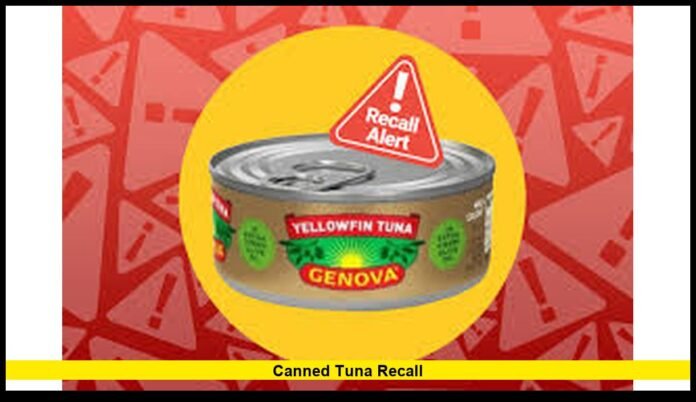

The canned tuna recall continues to draw national attention as food safety officials warn that certain products with packaging defects may pose a serious risk of botulism. The alert affects select tuna cans that were mistakenly released into circulation after being previously removed from the supply chain due to sealing concerns.
Authorities stress that the issue is not with tuna itself but with faulty lids that may allow harmful bacteria to grow in an oxygen-free environment. Even though no confirmed illnesses have been linked to the most recent distribution, the potential danger remains severe. Consumers across the United States are being urged to check their pantries and take immediate action if they find affected products.
Why the Canned Tuna Recall Is a Serious Health Concern
Botulism is a rare but life-threatening illness caused by toxins produced by Clostridium botulinum. These toxins attack the nervous system and can lead to paralysis or respiratory failure if not treated quickly. What makes botulism especially dangerous is that the toxin has no smell, taste, or visible warning signs.
In low-acid canned foods like tuna, a compromised seal can create the perfect environment for this bacteria to produce toxin. The can may look normal. The tuna may appear fresh. Yet the contents can still be unsafe.
Because of this, regulators treat any packaging failure involving canned seafood as a high-risk situation requiring immediate consumer action.
How the Packaging Defect Occurred
The recall centers on pull-tab lids that may not form a complete vacuum seal during manufacturing. A proper seal is essential to prevent air and microorganisms from entering the can after heat processing.
When a seal is incomplete:
- Oxygen levels inside the can change
- Protective vacuum pressure is lost
- Bacterial spores can survive
- Toxin production can occur without spoilage
This type of defect is not always visible from the outside. A can may not bulge or leak, yet still be unsafe.
Timeline of the Recall
The initial safety action began in 2025 after quality inspections identified sealing irregularities in certain tuna production lots. A wide market withdrawal followed, and affected inventory was placed under quarantine.
In early 2026, it was confirmed that some of these restricted cases were mistakenly shipped to retailers instead of being destroyed. Once the error was discovered, a renewed warning was issued to alert consumers and remove the remaining products from store shelves.
This sequence of events is why the canned tuna recall remains active and why public awareness is still critical.
Products Involved
The recall applies to specific canned tuna varieties packaged with easy-open lids. These include select:
- Yellowfin tuna in olive oil
- Yellowfin tuna in extra virgin olive oil with sea salt
- Certain multi-pack and single-can formats
- Units with best-by dates extending into 2028
The concern is linked to manufacturing lot codes and sealing equipment, not to a single retail chain or region.
States Where Affected Products Were Distributed
Distribution records show that recalled tuna reached stores in multiple parts of the country, including:
- California
- Illinois
- Indiana
- Kentucky
- Michigan
- Ohio
- Wisconsin
- Maryland
- Virginia
Although retailers have removed affected stock, consumers who purchased canned tuna in these areas should double-check stored items at home.
What Consumers Should Do Right Now
Anyone who finds tuna that may be included in the recall should take the following steps:
- Do not open the can
- Do not taste the contents
- Keep it away from children and pets
- Seal it in a plastic bag
- Dispose of it safely or return it for a refund
If a can is bulging, leaking, hissing, or spraying liquid when handled, it should not be touched directly. These signs can indicate gas production inside the container.
Possible Symptoms of Botulism
People who may have consumed recalled tuna should watch for symptoms such as:
- Blurred or double vision
- Drooping eyelids
- Slurred speech
- Difficulty swallowing
- Muscle weakness
- Shortness of breath
- Nausea or abdominal cramps
Symptoms can appear within hours or may take several days. Immediate medical care is essential, and patients should inform healthcare providers about possible exposure to canned food.
Why No Illness Reports Do Not Mean No Risk
So far, officials have not confirmed botulism cases linked to the newly released batches. However, the absence of reported illness does not mean the products are safe.
Botulinum toxin is extremely potent. A very small amount can cause severe disease. The recall is based on preventive action, designed to remove any product that could pose a threat before harm occurs.
Food safety systems are built to act before outbreaks happen, not after.
Understanding How Botulism Develops in Canned Foods
Botulism spores are naturally present in soil and marine environments. During proper canning, high heat destroys these spores. If sealing or heating is incomplete, spores can survive.
Inside a sealed, low-oxygen container like a tuna can, surviving spores can grow and release toxin. This process does not require refrigeration and can occur at room temperature.
This is why:
- Home-canned foods
- Commercial low-acid canned foods
- Items with damaged seals
are all closely monitored for safety risks.
Industry Response and Safety Measures
Manufacturers have reviewed sealing equipment, strengthened inspection protocols, and added additional quality checks to prevent similar issues. Retailers have also been instructed to re-audit inventory and ensure that all recalled lots are removed from storage facilities and stores.
Food safety authorities continue to monitor the situation and maintain communication with distributors to confirm that no additional affected batches are in circulation.
How to Check Your Pantry
When reviewing canned tuna at home, consumers should look for:
- Brand and variety
- Best-by dates
- Lot codes printed on the can
- Lid condition
Even if a can looks normal, it should be discarded if it matches any recalled production details. Visual inspection alone cannot guarantee safety.
Safe Handling and Disposal Tips
To avoid accidental exposure:
- Do not open suspected cans indoors
- Place them in double-sealed plastic bags
- Dispose of them in outdoor trash containers
- Wash hands thoroughly after handling
If liquid from a leaking can contacts surfaces, clean the area with a diluted bleach solution.
Why This Matters for Families
Canned tuna is a staple in many U.S. households. It is used in sandwiches, salads, casseroles, and school lunches. Because it is often stored for long periods, recalled products can remain in pantries long after store shelves are cleared.
That is why ongoing awareness of the canned tuna recall is essential, especially for families with children, elderly members, or anyone with weakened immune systems.
Key Points for Consumers
- The canned tuna recall involves packaging defects, not fish quality
- The risk is linked to botulism toxin formation
- Some quarantined products were mistakenly distributed
- Multiple states received affected shipments
- Consumers must not eat any recalled cans, even if they appear normal
Public Health Guidance
Anyone who experiences neurological symptoms after eating canned foods should seek emergency medical care. Early treatment with antitoxin can prevent severe complications and improve recovery.
Prompt reporting also helps health officials track potential exposure and protect others.
Staying Informed
Food recalls evolve as investigations continue. Checking official recall notices, reviewing pantry items periodically, and staying alert to safety updates are simple steps that can prevent serious illness.
Canned foods are generally safe, but packaging integrity is critical. When that integrity is compromised, swift consumer action becomes the last line of defense.
The Bigger Picture
This recall highlights how complex modern food distribution systems are and how even a single handling error can reintroduce products meant to be kept out of circulation. It also shows the importance of layered safety checks, from factory inspection to retail removal to consumer awareness.
Each step plays a role in keeping the food supply secure.
Final Thought
The canned tuna recall serves as a reminder that vigilance at home is just as important as safety controls in factories and stores. Taking a few minutes to review your pantry could prevent a serious health emergency.
Check your canned foods, follow recall guidance carefully, and stay alert for further updates, and feel free to share your thoughts or experiences in the comments as new information becomes available.