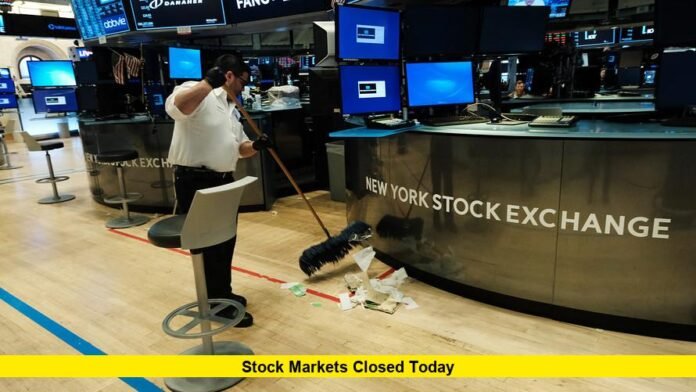

On January 19, 2026, stock markets closed across the United States in observance of a federal holiday, bringing a temporary pause to trading activity on Wall Street. For millions of investors, traders, and financial institutions, the day marks a scheduled break in equity and bond trading, while global markets continue to move and shape sentiment for the week ahead.
Understanding why markets are closed, what services are affected, and what to expect when trading resumes can help investors stay prepared and avoid confusion during holiday sessions.
Why U.S. Stock Markets Are Closed Today
The third Monday of January is observed nationwide as Martin Luther King Jr. Day. It is a federal holiday recognized by government offices, financial institutions, and major stock exchanges. As part of this observance, the New York Stock Exchange and the Nasdaq suspend all trading activity for the day.
This means that there are no regular trading sessions, no pre-market activity, and no after-hours trading. All listed stocks, exchange-traded funds, options, and other securities remain static at their previous closing prices until markets reopen on the next business day.
The U.S. bond market also follows the federal holiday schedule, resulting in a complete shutdown of Treasury, corporate bond, and municipal bond trading.
Which Financial Services Are Affected
Stock and Options Trading
All equity and options trading on U.S. exchanges is halted. Investors cannot place or execute trades during normal market hours, and pricing data remains unchanged throughout the day.
Bond Markets
The fixed-income market, including U.S. Treasuries and corporate bonds, is also closed. This pause affects interest-rate sensitive instruments and reduces overall market liquidity for the day.
Banks and Government Offices
Most banks and federal offices are closed in observance of the holiday. While online banking remains available, branch services, wire transfers, and certain clearing operations may be delayed.
Settlement and Clearing
Because exchanges and clearinghouses are closed, trade settlement timelines are adjusted. Transactions executed before the holiday resume their normal settlement cycle once markets reopen.
How the Closure Impacts Investors
No Price Discovery
With no active trading, there is no new price discovery in U.S. markets. Major indices such as the Dow Jones Industrial Average, the S&P 500, and the Nasdaq Composite remain at their last recorded levels until the next session.
Order Planning
Many investors use market holidays to review portfolios, evaluate upcoming earnings, and prepare orders for the reopening session. Limit orders and stop-loss levels can be set in advance, but execution will only occur once markets resume trading.
Potential for Higher Volatility
Historically, the first session after a full-day closure can see increased activity as investors respond to news that developed while markets were offline. This can lead to higher opening volumes and short-term volatility, especially if global markets moved sharply during the break.
Global Markets Remain Active
While U.S. exchanges are closed, major markets in Europe and Asia continue to trade. Their performance often provides clues about how U.S. futures and investor sentiment may look when domestic trading resumes.
Movements in international equities, currencies, and commodities can influence expectations for the next U.S. session. Developments in economic data, geopolitical events, and central bank signals abroad are closely watched by American investors during U.S. market holidays.
What to Expect When Trading Resumes
U.S. markets are scheduled to reopen on Tuesday, January 20, 2026, under normal trading hours. Pre-market trading begins in the early morning, followed by the regular session opening at 9:30 a.m. Eastern Time.
Investors will be watching for:
- Early market direction based on overseas performance
- Any corporate announcements released during the holiday
- Economic data scheduled for the first trading day after the break
- Shifts in interest-rate expectations and bond yields
With all weekend and holiday developments priced in at once, the opening session can be an important gauge of short-term market sentiment.
The Role of Market Holidays in the Trading Calendar
Market holidays are a regular feature of the U.S. financial calendar and are announced well in advance. They allow exchanges, clearing systems, and financial institutions to align with federal observances and operational schedules.
Some of the major U.S. market holidays each year include:
- New Year’s Day
- Martin Luther King Jr. Day
- Presidents’ Day
- Good Friday
- Memorial Day
- Independence Day
- Labor Day
- Thanksgiving Day
- Christmas Day
Knowing these dates helps investors plan trades, manage liquidity, and avoid unexpected delays.
How Long-Term Investors Can Use Market Closures
For long-term investors, a day when stock markets closed can be a useful opportunity to step back and review overall strategy rather than focusing on short-term price movements.
This can include:
- Rebalancing portfolio allocations
- Reviewing sector exposure
- Assessing risk tolerance
- Preparing for upcoming earnings seasons
- Monitoring macroeconomic trends
Without the distraction of intraday price swings, investors can make more deliberate, strategic decisions.
Key Takeaways for Today
- U.S. stock and bond markets are fully closed today in observance of a federal holiday.
- No trading, price updates, or settlements occur during the closure.
- Global markets remain open and may influence sentiment for the next U.S. session.
- Normal trading is set to resume on Tuesday with standard market hours.
For active traders and long-term investors alike, understanding holiday schedules is essential for smooth portfolio management and timely execution.
With markets reopening soon, staying informed and prepared can make all the difference, so keep an eye on developments and be ready when trading resumes.