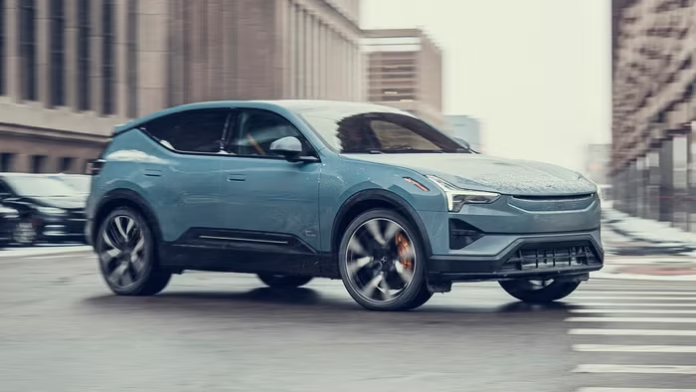

The automotive landscape in the United States is rapidly transforming with the arrival of some of the most innovative and eagerly awaited electric vehicles yet, and the newest electric cars hitting showrooms in 2026 reflect that evolution. This year’s lineup brings a compelling mix of advanced technology, longer driving ranges, and broad choices that meet the needs of everyday drivers, performance enthusiasts, and luxury buyers alike.
From fresh entries by ambitious newcomers to bold updates from established brands, America’s EV market is offering more ways than ever before to go electric without compromise. Buyers can now find everything from premium sedans with cutting-edge digital experiences to roomy SUVs designed for families and tech-savvy drivers seeking the next generation of connected mobility.
A Strong Start for Electric Vehicle Growth
Despite shifts in consumer incentives, electric vehicles continue to gain traction in the U.S. According to recent sales data, electric models remained among the most popular choices for American buyers in 2025, even as year-end demand softened in some segments. EV sales still outpaced many expectations and set the stage for the 2026 model year surge. Recent industry tracking shows that the number of new fully electric models entering the U.S. market in 2026 exceeds 30, confirming that manufacturers are committed to expanding electric options across every category.
Technology-Focused Newcomers Enter the Fray
One of the most buzzed-about additions to the 2026 electric roster is the Afeela 1, a technologically advanced EV developed by a joint venture between two major global companies. Produced in the United States and designed from the ground up as a mid-size electric liftback, this model focuses on immersive in-car digital and connected experiences. With a powerful dual-motor drivetrain producing nearly 500 horsepower and an estimated range around 300 miles, Afeela 1 aims to compete in both performance and tech appeal. U.S. deliveries are set to begin later this year, starting in California before broader expansion.
Production ramp-up has already begun at an Ohio facility where this EV undergoes trial assembly and rigorous quality inspection to ensure peak performance and integration of its advanced sensing and infotainment systems. The blend of performance, AI-driven features, and immersive screens positions this car as a standout for buyers who want innovation front and center in their electric vehicle.
Next-Gen Mainstream Models Bringing Everyday Electric Driving
Traditional automakers are also stepping up their electric offerings in significant ways.
One major highlight for everyday drivers will be the second generation of a popular compact electric crossover from a U.S. brand. Redesigned on a modern electric architecture, this refreshed model shifts to a sleeker, more crossover-oriented body style and adopts the widely used North American Charging Standard for maximum compatibility with fast-charging networks across the country. Improved battery chemistry and a robust 150 kW DC fast-charging capability support an estimated driving range that fits typical commuter and family needs.
Meanwhile, another global automotive giant continues its rollout of affordable EV options designed for broad appeal. These include all-electric crossovers and compact models that balance range, technology, and value, making them strong contenders for buyers looking to make the switch without pushing into luxury price points.
Performance EVs: Power and Precision Redefined
Performance-oriented electric cars are more exciting than ever in 2026. Manufacturers well known for their motorsport heritage are introducing electric performance versions of existing EV platforms. These vehicles emphasize acceleration and handling tuned to deliver a dynamic driving experience, challenging traditional internal-combustion counterparts.
Electric sports sedans and fastbacks are also pushing performance boundaries. Expect some models to boast instant torque, advanced torque vectoring, and sport-tuned all-wheel drive systems that make them thrilling to drive on both public roads and closed circuits. These performance EVs demonstrate that electric propulsion no longer means sacrificing fun for efficiency.
Luxury EVs Step Into the Spotlight
The premium electric segment continues to grow with refined EVs that target discerning buyers who want comfort, technology, and presence in equal measure.
One luxury brand’s 2026 SUV blends upscale interiors, large digital displays, and hands-free driving assistance features to appeal to tech-minded families and executives. With an estimated range exceeding 300 miles and a suite of driver aids, this model aims to satisfy buyers who want a refined ride without losing the utility of an SUV.
German luxury brands remain key players as well, presenting electric sedans and SUVs that pair refined driving dynamics with premium materials and high-end digital experiences. Models built on dedicated electric platforms offer seamless integration of battery, motor, and software technologies, enhancing ride quality and cabin comfort.
Broader EV Market Factors Shaping Buying Decisions
While the variety of 2026 electric cars is impressive, broader market shifts are also influencing buyer behavior. The expiration of federal tax incentives in the United States has altered the economics of some electric vehicles, prompting manufacturers to offer competitive pricing and financing deals to maintain sales momentum. These strategies aim to offset the effects of reduced purchase incentives and keep EV adoption attractive to consumers.
Manufacturers are also navigating changing economic conditions, including decisions to adjust EV investment levels and focus on models with broader consumer appeal. This evolving landscape underscores a period of recalibration in the industry, where sustainable growth and profitability are key priorities alongside technological advancement.
Charging Networks and Electric Infrastructure Keep Improving
Charging access remains a critical component of the electric ownership experience. In 2026, drivers benefit from a growing network of fast chargers and interoperability across charging providers. Adoption of universal charging standards further simplifies long-distance travel for electric owners, opening up more routes and destinations without range anxiety.
Urban regions and highway corridors alike are seeing more high-power charging stations that can replenish large battery packs quickly. These improvements are complemented by home charging options that provide convenience for daily commutes, supporting the broader transition to electric mobility.
Innovation Beyond Cars: What’s Next on the EV Horizon
The electric revolution extends beyond current car offerings. Concept vehicles, upcoming SUVs, and prototype models showcase the innovation pipeline as automakers prepare for future launches. Some of these concepts prioritize AI-driven features, autonomous driving functions, and entertainment integrations that blur the line between vehicle and tech hub. While not all will be production vehicles in 2026, they hint at where automotive technology is heading in the late 2020s.
Additionally, emerging international automakers are signaling potential entry into the U.S. market, which could introduce fresh competition and broaden consumer choice even further. Although timelines for these entries are not yet definitive, the momentum points to a more diverse and vibrant EV landscape ahead.
What Buyers in the U.S. Should Expect Today
American shoppers have never had more options when considering an electric vehicle. Whether prioritizing efficiency, performance, luxury, or advanced technology, 2026’s lineup includes choices that fit many lifestyles and budgets.
Families can find roomy and comfortable electric SUVs with long range and connectivity features that rival high-end tech ecosystems. Enthusiasts will appreciate electric performance models that deliver thrilling acceleration and precise handling. Tech enthusiasts and early adopters will gravitate toward EVs that integrate immersive digital experiences and AI-enhanced driver support.
Buyers who value everyday practicality will find modern EVs that provide sufficient range for daily commuting and road trips, backed by expanding charging infrastructure that supports life beyond the garage.
The electric car market in the United States continues to mature, with offerings that reflect diverse consumer demands and the latest industry innovations. With more choices and better technology than ever before, now is an exceptional time to consider making the switch to electric.