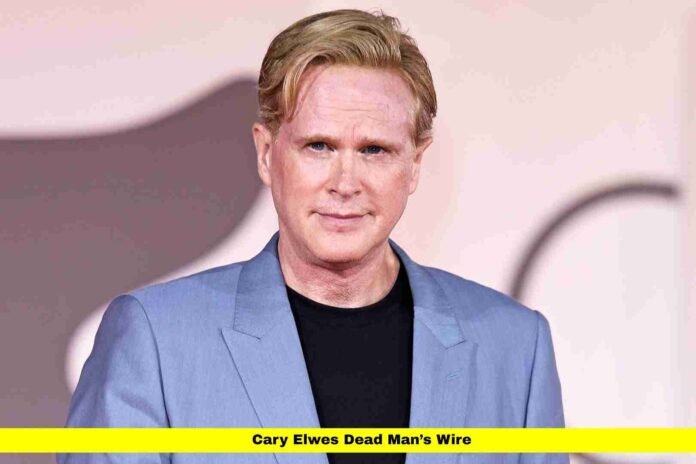

Cary Elwes Dead Man’s Wire delivers a tense, character-driven true-crime drama that revisits a shocking 1970s hostage crisis with emotional depth and restraint.
Anchored by Cary Elwes’s grounded performance, the film explores desperation, media pressure, and human resilience in a way that strongly resonates with modern U.S. audiences.
Cary Elwes Dead Man’s Wire has emerged as one of the most discussed crime dramas currently playing in U.S. theaters, drawing attention for its unsettling true story, intense performances, and the deeply human experiences that shaped its making. The film revisits a real hostage crisis that stunned America in the late 1970s and reframes it through the lens of modern filmmaking, offering audiences a tense, emotional, and thought-provoking experience.
With a respected director at the helm, a powerhouse ensemble cast, and renewed interest in true-crime storytelling, the movie has quickly become a focal point of conversation among filmgoers. Cary Elwes’s role, in particular, adds emotional weight and narrative grounding, connecting the story’s law-enforcement perspective to the psychological toll of crisis situations.
A True Story That Still Feels Uncomfortably Relevant
Dead Man’s Wire is based on the real 1977 hostage standoff in Indianapolis that became one of the most bizarre and widely televised crime events of its time. The incident involved Tony Kiritsis, a man facing financial ruin who believed he had been wronged by the mortgage system. His response was extreme and shocking. He took a mortgage broker hostage and rigged a shotgun to the man’s neck, creating a deadly “dead man’s wire” device that would fire if the hostage attempted to move.
The situation unfolded in full public view, with television cameras broadcasting developments live and crowds gathering outside the building. What began as a localized crime quickly turned into a national spectacle. Negotiations stretched on for hours, blending fear, desperation, and a media frenzy that reflected the social and economic tensions of the era.
The film recreates these events with careful attention to atmosphere and emotional intensity. While it uses cinematic storytelling to shape the narrative, it remains grounded in the core facts of the case, allowing viewers to understand why the incident left such a lasting mark on American crime history.
Gus Van Sant’s Distinctive Direction Shapes the Film
Directed by Gus Van Sant, the movie carries a visual and emotional style that sets it apart from standard crime thrillers. Van Sant approaches the story with restraint, focusing on mood, character psychology, and the slow build of tension rather than relying on constant action. His direction emphasizes the claustrophobic nature of the standoff and the mental strain on everyone involved.
The film’s look deliberately reflects the late 1970s, using muted colors, natural lighting, and period-accurate production design to immerse viewers in the time. This approach helps the story feel immediate rather than nostalgic, highlighting how the issues at the heart of the crisis—financial anxiety, mistrust of institutions, and public spectacle—remain relevant decades later.
Van Sant’s handling of the material underscores the idea that this is not just a crime story, but a character study. Each major figure is portrayed as complex and human, shaped by circumstance rather than reduced to stereotypes.
Cary Elwes Brings Depth to Law Enforcement’s Perspective
Cary Elwes portrays Detective Michael Grable, one of the key law-enforcement figures involved in managing the crisis. His character serves as a steady presence amid chaos, representing the professionals tasked with resolving an impossible situation without triggering tragedy.
Elwes’s performance is understated but powerful. He avoids dramatic excess, instead conveying tension through quiet moments, body language, and measured dialogue. This approach makes the character feel authentic and grounded, offering viewers a window into the emotional toll such situations take on those trying to prevent disaster.
The role stands out as one of Elwes’s most mature performances in recent years. Known for iconic roles across genres, he brings decades of experience to the screen, using restraint and empathy to anchor the film’s emotional core.
A Cast That Elevates the Story
The strength of Dead Man’s Wire lies not only in its story but also in its ensemble cast. Bill Skarsgård delivers an intense portrayal of Tony Kiritsis, capturing the character’s volatility, fear, and obsession without turning him into a caricature. His performance walks a fine line between menace and vulnerability, forcing audiences to confront uncomfortable questions about desperation and accountability.
Al Pacino adds gravitas in a supporting role, lending authority and emotional depth to the narrative. His presence reinforces the seriousness of the situation and underscores the high stakes involved in every decision made during the standoff.
Supporting performances from Dacre Montgomery, Myha’la, and Colman Domingo further enrich the film, providing multiple perspectives on how the crisis affected individuals on both sides of the situation. Together, the cast creates a layered portrayal of a community caught in the grip of an extraordinary event.
Personal Challenges Behind the Scenes
For Cary Elwes, working on the film coincided with a deeply challenging period in his personal life. Shortly before filming began, his family lost their home in devastating California wildfires. The sudden loss forced major adjustments and brought emotional strain at a time when he was preparing for an intense role.
Elwes has spoken openly about how immersing himself in the project helped him cope with the upheaval. Channeling his focus into the film provided structure and purpose during a time of uncertainty. Rather than derailing his performance, the experience added emotional depth, allowing him to bring a heightened sense of empathy and realism to his character.
Despite the hardship, the period also included moments of gratitude and resilience. Support from family and community played a crucial role, reinforcing themes of endurance and recovery that echo throughout the film itself.
Why the Film Resonates With Modern Audiences
Dead Man’s Wire arrives at a moment when true-crime stories continue to fascinate the public, but audiences are increasingly selective about how those stories are told. This film stands out because it avoids sensationalism and instead focuses on the human cost of crisis situations.
The story raises enduring questions about financial stress, media responsibility, and the thin line between protest and violence. Viewers are encouraged to reflect on how public attention can escalate situations and how individuals under extreme pressure can make irreversible decisions.
For U.S. audiences, the film also serves as a reminder of how media coverage has evolved. What was once groundbreaking live television coverage now feels like a precursor to today’s nonstop news cycles and social media amplification.
Critical and Audience Response
The film has received strong reactions for its performances, direction, and tense pacing. Many viewers have praised its ability to maintain suspense without relying on excessive action, instead letting dialogue and silence drive the story forward.
Audiences have also responded positively to the film’s emotional honesty. Rather than presenting easy answers, it invites discussion and debate, encouraging viewers to consider the broader societal context surrounding the events.
Cary Elwes’s role has been singled out as a highlight, with many noting how his measured performance balances the intensity brought by other characters.
A Film That Leaves a Lasting Impression
More than a historical retelling, Dead Man’s Wire functions as a meditation on pressure, perception, and consequence. It demonstrates how individual actions can ripple outward, affecting families, institutions, and entire communities.
For fans of character-driven dramas, true-crime stories, or thoughtful filmmaking, the movie offers a compelling experience that lingers long after the final scene. Cary Elwes’s involvement adds emotional authenticity, linking personal resilience with professional dedication.
What aspects of the film stood out to you most, and how did Cary Elwes’s performance shape your experience? Share your thoughts and stay connected for more film insights.