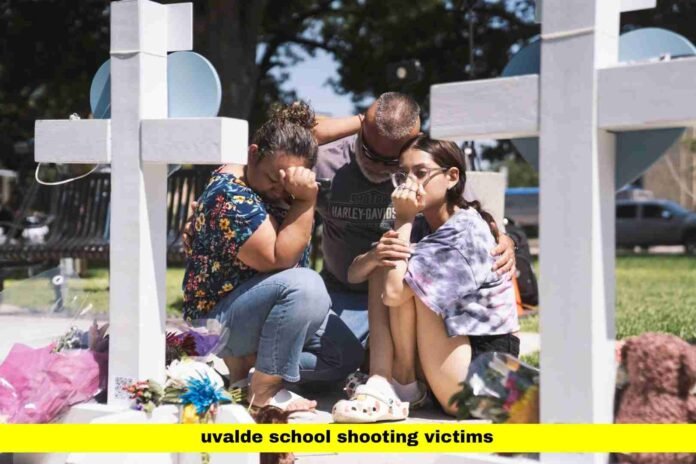

The article honors the children and educators lost in Uvalde by focusing on their lives, families, and the community’s ongoing healing.
It highlights remembrance, resilience, and the lasting impact their legacy has on education, safety, and collective responsibility.
The tragedy in Uvalde, Texas, remains one of the most painful chapters in recent American history. What occurred inside an elementary school classroom took the lives of 19 children and two educators, leaving families, classmates, and an entire town forever changed. Years later, the focus remains where it belongs—on the individuals who were lost, the loved ones who continue to grieve, and the lasting influence their lives have had on schools, communities, and national awareness.
This article offers a comprehensive, respectful examination of those lives, the community response, and the enduring legacy that continues to shape conversations about safety, remembrance, and healing.
The Children Who Never Came Home
The students who died were between nine and eleven years old. They were elementary school children with favorite games, favorite teachers, and dreams that were just beginning to take shape. Each child had a name, a family, and a place in their community.
Parents remember morning routines filled with backpacks and lunchboxes. Siblings recall shared jokes and small arguments that now feel precious. Classmates remember laughter during recess and group projects that will never be finished.
These children were not defined by the moment they were taken. They were artists, athletes, readers, helpers, and friends. Some loved drawing and music. Others were passionate about sports or animals. Many were known for their kindness and bright smiles.
Their absence left empty desks, unfinished schoolwork, and silence where young voices once filled classrooms.
The Educators Who Gave Their Lives
Two teachers were also killed, both deeply respected within their school and community. They were experienced educators who had devoted their careers to nurturing students, supporting families, and creating safe learning environments.
Colleagues describe them as patient, dependable, and deeply committed to their students’ growth. Former students recall encouragement during difficult moments and praise that helped build confidence.
Teaching was not simply a job for them. It was a lifelong calling. Their loss removed not only instructors but mentors whose influence extended far beyond academics.
Families Living With Permanent Loss
For the families, grief did not end after memorial services. It became part of everyday life. Bedrooms remain unchanged. Birthday candles go unlit. Holidays arrive with an ache that words cannot fully capture.
Many parents describe grief as something that evolves rather than fades. Some days feel manageable. Others feel overwhelming. Anniversaries, school milestones, and public reminders can reopen wounds without warning.
Yet amid sorrow, families have shown resilience. Some have chosen to honor their loved ones through scholarships, foundations, and advocacy work. Others focus on private remembrance, finding strength in close relationships and shared memories.
Survivors Carrying Invisible Wounds
Students and staff who survived continue to process trauma that no child or educator should experience. Some struggle with anxiety, sleep disturbances, or difficulty concentrating. Others carry guilt for surviving when classmates did not.
Returning to school environments required careful planning and emotional support. Counseling services, peer groups, and trauma-informed teaching approaches became essential.
Healing remains an ongoing process. For many survivors, recovery is measured not in months, but in years.
A Community United by Grief
Uvalde is a close-knit city where families are deeply connected. In the days following the tragedy, residents came together through vigils, prayer gatherings, and mutual support.
Local organizations provided meals, counseling, and safe spaces for grieving families. Volunteers assisted with logistics so parents could focus on their children and each other.
Murals, memorial crosses, and handwritten messages appeared throughout the town, reflecting collective sorrow and solidarity.
Public Memorials and Shared Remembrance
Memorial spaces have become places of reflection, allowing families and visitors to honor the lives lost. These sites include photographs, flowers, and personal items that reflect the personalities of the children and educators.
Annual remembrance events continue to bring the community together. These gatherings are not about reliving tragedy but about preserving memory and honoring love.
Through remembrance, the victims remain present in the hearts of those who knew them and those who have learned their stories.
How Schools Changed Afterward
The tragedy prompted deep reflection within schools, both locally and nationally. Educators reassessed emergency protocols, communication systems, and campus security practices.
Training in crisis response expanded. Greater emphasis was placed on prevention, awareness, and preparedness. Schools also increased mental health resources, recognizing that emotional safety is inseparable from academic success.
For students, learning environments became spaces where emotional wellbeing mattered as much as grades and test scores.
Mental Health at the Center of Recovery
Mental health support emerged as a critical component of healing. Counseling services expanded for students, families, and educators.
Schools implemented wellness programs, peer support initiatives, and partnerships with mental health professionals. These efforts aimed to address trauma while fostering resilience and emotional literacy.
The tragedy highlighted the need for long-term mental health care, not just immediate crisis response.
National Awareness and Reflection
The loss of these lives influenced national discussions about school safety, emergency response, and child protection. Their names appear in legislative hearings, advocacy campaigns, and public memorials.
Families and community members have emphasized respectful dialogue focused on prevention rather than politics. The shared goal remains clear: protecting children and educators and preventing future tragedies.
Their legacy continues to shape conversations across the country.
Preserving Dignity in Public Memory
Families have repeatedly emphasized the importance of dignity in how the victims are remembered. They advocate for storytelling that centers lives, not violence.
By focusing on who these individuals were—their laughter, kindness, and potential—public memory becomes a space of honor rather than exploitation.
This approach encourages empathy, understanding, and meaningful reflection.
Acts of Kindness in the Victims’ Names
Many families honor their loved ones through acts of kindness. Scholarship funds, school supply drives, and community service projects reflect the children’s interests and values.
These initiatives allow the victims’ names to be associated with hope and generosity. They ensure that something positive continues to grow from unimaginable loss.
Educators Honored Through Teaching and Service
The two teachers are remembered through professional development initiatives, classroom programs, and mentoring efforts. Their influence lives on through the students they taught and the colleagues they inspired.
Educators across the district continue to honor their legacy by fostering compassionate, inclusive learning environments.
How Children Process Collective Trauma
Students who attended the school during the tragedy share a bond shaped by shared experience. They have grown up understanding loss earlier than most.
Educators work closely with families to support these students as they mature. Lessons emphasize empathy, resilience, and communication.
For many students, school became both a place of learning and a space for healing.
Long-Term Support and Continued Care
Years later, support remains essential. Families continue to rely on counseling, peer networks, and community programs.
Grief does not follow a schedule. Continued access to resources ensures families and survivors are not left to navigate healing alone.
Why Remembering These Lives Matters
Remembering the victims is not about reopening wounds. It is about honoring lives and affirming the value of every child and educator.
Their stories remind the nation of its responsibility to protect schools as spaces of safety, growth, and possibility.
A Legacy That Endures
The lives lost in Uvalde continue to shape education, community engagement, and national awareness. Through remembrance, advocacy, and compassion, their legacy remains active rather than frozen in time.
Their names live on in hearts, classrooms, and efforts to build a safer future.
How should communities honor young lives lost while supporting healing and meaningful change? Share your thoughts and stay connected as remembrance continues to guide the path forward.