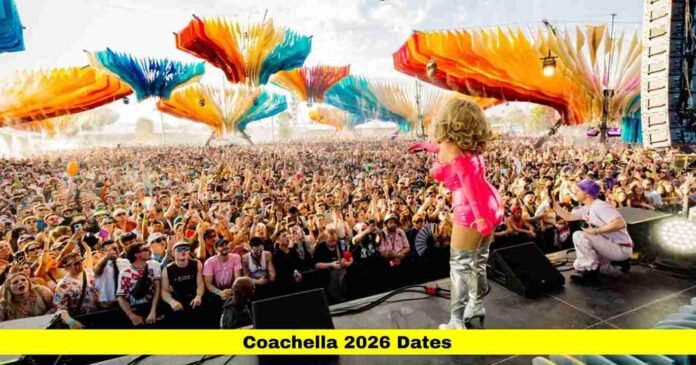

April 2026 is now firmly locked into the calendars of music fans across the United States, as the world-famous desert festival prepares to return for another two-weekend celebration of sound, art, and culture. With the calendar confirmed well in advance, travelers, attendees, and local communities finally have the clarity needed to begin serious planning for one of the most influential live-music gatherings in the country.
This detailed guide breaks down the confirmed April schedule, explains why the timing matters, and explores how these dates shape travel, lodging, fan behavior, and the broader U.S. festival season.
Confirmed April Calendar for 2026
The festival will take place over two consecutive three-day weekends in April 2026. The first weekend runs from Friday, April 10, through Sunday, April 12. The second weekend follows immediately, beginning on Friday, April 17, and ending on Sunday, April 19.
These six total event days form the complete live-music schedule for the year. Each weekend is designed to mirror the other, offering identical stage layouts, performances, installations, and on-site experiences. This structure allows attendees to select the timeframe that best fits their schedule without sacrificing the quality of the experience.
Why the April Timing Is So Important
April has become a defining feature of this festival’s identity. The month offers a balance of warm daytime temperatures and cooler desert evenings, creating comfortable conditions for long outdoor performances. This weather window supports extended showtimes, nighttime art displays, and large-scale stage productions without the extreme heat associated with later months.
For fans, April also aligns well with spring breaks, flexible work schedules, and early-season travel opportunities. The timing encourages attendance from across the country, not just the West Coast, making the event a truly national gathering.
How the Two-Weekend Structure Benefits Attendees
Splitting the event across two weekends has proven to be one of the festival’s most successful decisions. Rather than forcing all demand into a single set of dates, the dual-weekend format offers flexibility and reduces logistical strain.
Some attendees prefer the energy of the opening weekend, which often carries a sense of first-night excitement. Others choose the second weekend for scheduling ease or a slightly more relaxed atmosphere. Regardless of preference, both options deliver the same curated experience, ensuring fairness and consistency for all ticket holders.
The Role of the Desert Location in Date Selection
The festival’s home in the California desert plays a major role in shaping the calendar. The open landscape, expansive fields, and surrounding mountain views create a setting unlike any other major music event in the U.S.
April weather allows organizers to fully utilize the outdoor environment without weather-related disruptions. These conditions also support large art installations, open-air stages, and late-night performances that define the festival’s atmosphere.
Travel Planning Around the April Schedule
Once the April dates were finalized, travel planning quickly became a priority for attendees. Flights into Southern California tend to fill early for mid-April weekends, particularly for travelers flying in from the Midwest, East Coast, and Pacific Northwest.
Many fans plan arrival days ahead of the event to avoid congestion and acclimate to the desert climate. Others extend their stay between the two weekends, turning the festival dates into a longer vacation centered around music, relaxation, and regional exploration.
Driving and Regional Access Considerations
For those within driving distance, the April schedule offers predictability. Attendees from California, Nevada, Arizona, and neighboring states often plan road trips around these weekends, adjusting departure times to avoid peak traffic.
The clear spacing between the two weekends also helps stagger arrivals and departures, reducing strain on highways and local infrastructure.
Accommodation Demand and Booking Patterns
Hotel and rental demand rises sharply once the April schedule becomes public. Nearby cities experience a surge in bookings tied directly to the two weekends, with many properties implementing minimum stay requirements.
Early planners typically secure better rates and locations closer to the festival grounds. Others choose to stay farther out, relying on shuttle services or rideshare options that expand during the event period.
Camping as a Core Part of the Experience
Camping remains a popular choice for many attendees, especially those seeking a fully immersive experience. The April timing supports this option, as temperatures are generally manageable for overnight stays.
On-site camping creates a continuous social environment that extends beyond daily performances. Attendees who camp often describe the dates as more than just a concert schedule, viewing them as a temporary community built around shared interests.
Ticketing Structure Aligned With the Calendar
Ticket sales are closely tied to the confirmed April schedule. Each weekend is clearly designated during the purchase process, allowing fans to choose dates before committing.
Payment plans often stretch across several months leading up to April, helping attendees manage costs more comfortably. The early release of dates plays a crucial role in building buyer confidence and reducing last-minute uncertainty.
Crowd Dynamics Across Both Weekends
While programming remains consistent, crowd behavior can vary slightly between weekends. Some fans report a stronger influencer and media presence during the opening days, while others feel the second set of dates offers a calmer pace.
These perceptions influence individual choices, though the overall scale and organization of the event ensure that both weekends deliver comparable energy and excitement.
Impact on Local Communities and Businesses
The April schedule has a major economic impact on surrounding communities. Local businesses adjust staffing, inventory, and operating hours to prepare for the influx of visitors across both weekends.
Restaurants, shops, transportation providers, and service workers rely on these dates as one of the busiest periods of the year. The predictable timing allows the region to plan well in advance and maximize economic benefits.
Cultural Influence of the Spring Festival Window
This event often sets the tone for the rest of the festival season. Fashion trends, music releases, and performance styles introduced during these April weekends frequently influence other events later in the year.
Artists use the platform to debut new material, collaborate with unexpected guests, and experiment with stage design. For fans, the dates represent a cultural reset and a shared starting point for the live-music calendar.
How the Schedule Fits Into the National Music Landscape
The April placement positions the festival at a strategic point in the touring cycle. It occurs early enough to feel fresh, yet late enough for artists to prepare elaborate productions.
For attendees, the dates serve as a reference point when planning attendance at other concerts and festivals. Many build their entire spring and summer music plans around this anchor event.
Weather Expectations and Preparation
Daytime temperatures in April are typically warm but manageable, while evenings cool down significantly. This contrast encourages layered clothing and thoughtful scheduling.
The consistent climate is one of the reasons the festival continues to favor this time of year. It supports long hours outdoors without the health risks associated with extreme heat.
Operational Planning Built Around the Calendar
Every operational detail, from security staffing to transportation logistics, is built around the confirmed April weekends. Knowing the exact dates allows organizers to coordinate emergency services, crowd control, and infrastructure support with precision.
This planning contributes to smoother entry processes, better traffic flow, and a safer overall environment for attendees.
Social Engagement Leading Up to the Event
As April approaches, online conversations intensify. Fans share countdowns, outfit ideas, travel itineraries, and group plans tied directly to the dates.
This buildup transforms the event into a months-long experience rather than a single weekend. The calendar becomes a shared reference point across social platforms and communities.
Why the Dates Drive Every Decision
From buying tickets to requesting time off work, every decision starts with the calendar. Without confirmed dates, planning stalls. With them, momentum builds.
The April schedule gives fans clarity and confidence, allowing them to commit early and avoid last-minute stress.
Looking Ahead to the 2026 Experience
With the calendar set, attention naturally shifts toward anticipation. Travelers are locking in flights, groups are coordinating lodging, and excitement continues to grow as April draws closer.
These weekends promise not just performances, but shared memories shaped by music, art, and the unique atmosphere of the desert.
The Lasting Importance of a Fixed Spring Schedule
Consistency has helped this festival maintain its place at the center of American music culture. By returning each year around the same April window, it becomes part of a familiar rhythm that fans can rely on.
This reliability strengthens loyalty and keeps the event firmly embedded in the national consciousness.
Final Thoughts on the 2026 Calendar
The April 10–12 and April 17–19 schedule defines the entire 2026 edition of the festival. These dates shape travel, budgets, creative planning, and cultural conversation long before the first performance begins.
For U.S. music fans, they represent more than numbers on a calendar. They signal a return to shared experiences, creative energy, and the start of another unforgettable festival season.
Which April weekend fits your plans best, and how are you getting ready for the desert experience? Share your thoughts below and stay tuned as anticipation builds toward 2026.