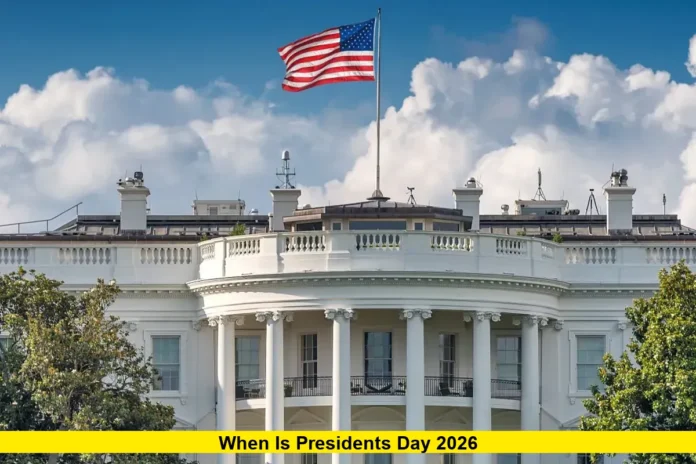

When is Presidents Day 2026 is a question many Americans ask as they organize work schedules, school calendars, vacations, and major purchases for the year ahead. In 2026, Presidents Day will be observed on Monday, February 16, continuing its long-standing placement on the third Monday of February. As a federal holiday, it carries national significance and affects government operations, education systems, travel patterns, and consumer behavior across the United States.
This holiday is more than a long weekend. It represents a blend of American history, civic recognition, and modern traditions that continue to evolve while remaining rooted in the country’s earliest leadership.
The Fixed Rule Behind a Changing Date
Presidents Day does not fall on the same calendar date each year, but the rule that determines it never changes. The holiday is always observed on the third Monday in February, which means it can occur anytime between February 15 and February 21.
In 2026, the calendar aligns so that the third Monday lands on February 16. This predictable scheduling allows employers, schools, and government agencies to plan well in advance, a key reason the holiday was shifted to a Monday decades ago.
The Origins of Presidents Day
The roots of Presidents Day go back to the celebration of George Washington’s birthday. Washington, the first president of the United States, was born on February 22. For many years, the nation officially observed Washington’s Birthday on that date.
As the country grew and federal labor standards evolved, the holiday was moved to a Monday to provide workers with a consistent long weekend. Over time, public recognition broadened. While the federal government still formally recognizes the holiday as Washington’s Birthday, many states and communities began referring to it as Presidents Day, reflecting a wider acknowledgment of American presidents as a whole.
This evolution allowed the holiday to serve both as a historical tribute and a modern national observance.
Why February Remains Central to the Holiday
February holds unique importance in presidential history. In addition to George Washington, Abraham Lincoln was born on February 12. Lincoln’s leadership during the Civil War and his role in shaping modern American democracy made his birthday significant in many states long before Presidents Day became widely used.
By placing the holiday in mid-February, the observance symbolically honors these foundational leaders while also recognizing the broader institution of the presidency.
Federal Holiday Status and What It Means
Presidents Day is one of the official federal holidays recognized across the United States. On Monday, February 16, 2026, federal government offices will be closed. This includes many administrative agencies and public services tied directly to federal operations.
Financial institutions such as banks often close or operate with limited services, and some legal proceedings may pause for the day. However, essential services continue as normal, and private businesses are free to choose whether or not to observe the holiday.
Private Employers and Workplace Policies
In the private sector, Presidents Day observance varies widely. Some companies include it as a paid holiday, while others maintain regular operations. Industries such as retail, hospitality, healthcare, and transportation often remain fully operational due to increased demand during the long weekend.
For employees, Presidents Day may mean a paid day off, a floating holiday, or simply another workday. Company policy ultimately determines how the holiday is handled.
School Closures and Academic Calendars
Most public school districts across the country observe Presidents Day, resulting in a day off for students and staff. In many areas, the holiday creates a three-day weekend that families use for short trips or local activities.
Some districts use the day for teacher training or planning rather than full closure. Colleges and universities frequently observe the holiday as well, though schedules can differ by institution.
Because school calendars are set months in advance, Presidents Day is often built into mid-winter academic planning.
State-Level Differences in Observance
Although Presidents Day is a federal holiday, states have flexibility in how they officially recognize it. Some states continue to use the name Washington’s Birthday, while others use Presidents Day or combined titles that reference multiple historical figures.
Despite differences in naming conventions, the observance date remains consistent nationwide for federal purposes. The shared Monday holiday ensures broad alignment in closures and scheduling across state lines.
Travel Trends Around Presidents Day Weekend
The long weekend associated with Presidents Day makes it one of the busiest travel periods of the winter season. Many Americans take advantage of the break for short vacations, particularly to winter destinations or warmer climates.
Air travel, highway traffic, and hotel occupancy often increase in the days leading up to and following the holiday. Families with school-age children frequently plan trips around this weekend, making early planning especially important.
Retail Activity and Consumer Behavior
Presidents Day has become a major event on the retail calendar. Many businesses schedule seasonal promotions around the holiday, especially for home goods, appliances, furniture, and winter apparel.
For consumers, knowing when is Presidents Day 2026 can help with timing purchases, as sales often begin before the holiday and continue through the long weekend. This period is considered one of the key retail moments between the end of the winter holidays and the arrival of spring sales.
Cultural and Educational Engagement
Beyond commerce and time off, Presidents Day serves as an opportunity for civic reflection. Museums, libraries, and community organizations often highlight presidential history, constitutional principles, and leadership themes.
Educational programming may include historical exhibits, classroom discussions, or community events focused on American governance. While not every American participates in formal observances, the holiday remains an important marker of national identity.
Presidents Day in the Context of the 2026 Holiday Calendar
Presidents Day follows Martin Luther King Jr. Day in January and precedes Memorial Day in late May. This positioning places it near the midpoint of the winter season and makes it one of the final major holidays before spring.
For many Americans, it provides a mental and practical break between the start of the year and the busier months that follow.
Key Facts at a Glance
- Date: Monday, February 16, 2026
- Type: Federal holiday
- Observed Nationwide: Yes
- Common Closures: Federal offices, many schools, banks
- Popular Uses: Travel, family time, retail shopping, cultural activities
Why Presidents Day Continues to Matter
Presidents Day remains relevant because it balances history with modern life. It honors leadership, supports national consistency in scheduling, and offers a pause during the winter months. While traditions have changed, the holiday continues to connect Americans to the country’s past while shaping present-day routines.
As calendars fill up for the year ahead, February 16, 2026, stands out as a day that blends reflection, rest, and nationwide participation.
Tell us how you plan to spend Presidents Day 2026 or share what the holiday represents to you.