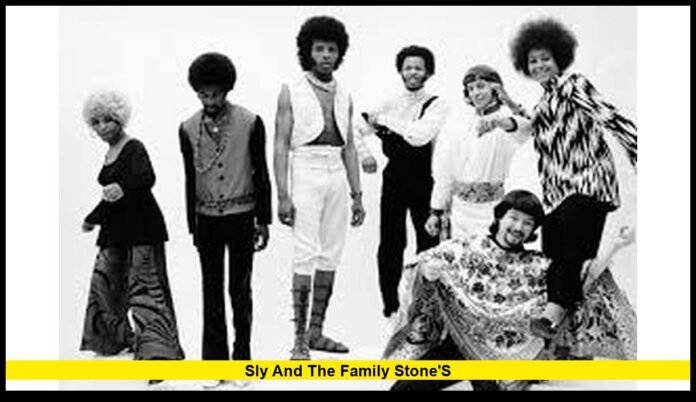

Sly and the Family Stone stand among the most transformative and influential bands in the history of American music. In 2026, their songs, spirit, and message of unity continue to define generations of artists and listeners. The revolutionary mix of funk, soul, rock, and psychedelic rhythm they pioneered in the 1960s remains a driving force behind countless musical movements today.
The Birth of a New Kind of Band
When Sly Stone—born Sylvester Stewart—formed Sly and the Family Stone in San Francisco in 1966, he created a musical revolution. The group’s multiracial, mixed-gender lineup was unprecedented at the time. Each member brought their unique background and talent, creating a sound that reflected the diversity of the world around them.
The band included Sly’s siblings Freddie and Rose Stone, trumpeter Cynthia Robinson, bassist Larry Graham, saxophonist Jerry Martini, and drummer Greg Errico. Together, they broke the mold of what a band could look and sound like in America. Their performances embodied joy, defiance, and hope—combining grooves that made people dance with lyrics that made them think.
Their early hit Dance to the Music in 1968 announced their arrival with explosive energy. It wasn’t just a song—it was a manifesto. The call to “dance to the music” was both literal and symbolic: an invitation for people from all walks of life to move together in rhythm.
An Era Defined by Sound and Message
Sly and the Family Stone captured the spirit of late-1960s America better than almost any other act. The nation was divided by issues of race, war, and generational change, yet this band turned conflict into harmony. Songs like Everyday People and Stand! carried messages of equality and personal empowerment. Their lyrics encouraged listeners to see themselves in others and to embrace differences instead of fear them.
Their 1969 performance at Woodstock remains one of the festival’s most celebrated moments. As dawn broke over the crowd, the Family Stone delivered I Want to Take You Higher—a performance that has since become legendary for its raw power and emotional intensity. It perfectly encapsulated the idea that music could both heal and energize.
Albums such as Stand! (1969) and There’s a Riot Goin’ On (1971) pushed boundaries in sound and subject matter. Stand! delivered hope and optimism, while Riot reflected the darker mood of the early 1970s, blending funk rhythms with introspection and political edge. Both albums have since been recognized as masterpieces that helped define modern funk, soul, and pop.
Sly Stone’s Creative Genius and the Memoir That Sparked Revival
For decades, Sly Stone remained one of music’s most mysterious figures. After years of limited public appearances, he reemerged in 2023 with his memoir Thank You (Falettinme Be Mice Elf Agin), co-written with Ben Greenman. The book revealed his life story in his own words—from his beginnings as a church musician in Vallejo, California, to his rise as one of the most daring producers and songwriters of his time.
The memoir reignited fascination with his career. Readers learned about his work as a radio DJ before fame, his deep knowledge of gospel and R&B, and his relentless drive to create something new. The book also explored the pressures of fame, the social challenges of leading an integrated band during a divided era, and the personal struggles that followed success.
The publication’s impact was immediate. Within months, streaming numbers for Sly and the Family Stone’s music climbed dramatically, particularly among younger listeners. Playlists on Spotify, Apple Music, and YouTube introduced new generations to tracks that shaped entire genres.
Resurgence Through Documentaries and Media
The renewed attention surrounding Sly and the Family Stone also came from visual media. The band’s thrilling performance at the 1969 Harlem Cultural Festival, featured in Questlove’s Summer of Soul, captured the essence of their power. That film reminded millions that the group’s influence was not just musical but cultural.
By 2025, several music-focused streaming platforms had curated new collections and mini-documentaries that examined how the band helped change the direction of popular music. These tributes continue to draw large audiences and spark discussions about their enduring influence.
Sony Legacy Recordings announced that a remastered deluxe edition of There’s a Riot Goin’ On is scheduled for release in 2026. The reissue is expected to include never-before-heard studio outtakes, alternative mixes, and rare live recordings. For longtime fans, it will be a milestone celebration of one of music’s most daring and innovative albums.
Band Members and Their Ongoing Impact
Each member of Sly and the Family Stone contributed something vital to the band’s distinct chemistry. Their collective genius created the kind of energy that few groups before or since have achieved.
- Sly Stone, now in his eighties, remains a revered cultural figure. Although he keeps a low profile, his appearances at select events since 2023 have been met with overwhelming enthusiasm.
- Freddie Stone, the group’s guitarist and vocalist, continues to perform gospel music and has remained active in community projects that blend faith and art.
- Rose Stone has contributed to musical projects and continues to inspire young artists through her work in church and local performances.
- Larry Graham, the innovator behind the “slap bass” technique, continues to perform worldwide and influence generations of bass players.
- Jerry Martini and Greg Errico, both founding members, have carried the group’s spirit forward by performing as The Family Stone, a band dedicated to keeping the music alive for live audiences.
- Cynthia Robinson, who passed away in 2015, remains celebrated as one of the most important female horn players in music history. Her trumpet calls and powerful stage presence are now studied by new musicians as examples of confidence and skill.
Their continued presence in the cultural conversation ensures that the Family Stone’s message of unity never fades.
A Sound That Shaped Generations
The reach of Sly and the Family Stone is extraordinary. Their influence can be traced through multiple genres and decades of music.
Their legacy resonates through:
- Funk: Their pioneering rhythms inspired artists like George Clinton, Bootsy Collins, and Prince.
- R&B and Soul: Earth, Wind & Fire, The Isley Brothers, and Chaka Khan carried their fusion of groove and positivity into the mainstream.
- Hip-Hop: Tracks like Sing a Simple Song and Loose Booty have been sampled by Public Enemy, LL Cool J, and De La Soul.
- Rock and Pop: Musicians such as Lenny Kravitz, Red Hot Chili Peppers, and John Mayer have credited them with shaping their musical approach.
- Modern Music: Contemporary artists like Anderson .Paak, H.E.R., and Bruno Mars incorporate the same blend of rhythm and message that the Family Stone pioneered.
Their music continues to appear in commercials, movies, and television shows. In 2025, Family Affair was featured in a major advertising campaign celebrating inclusion and creativity, proving the timeless appeal of their message.
Preservation of a Cultural Legacy
Efforts to preserve the legacy of Sly and the Family Stone have expanded over the past few years. Vinyl reissues of Stand! and Fresh released in 2025 were praised for their exceptional remastering quality and liner notes that explored the band’s cultural context. Collectors and casual listeners alike have embraced these new editions as definitive versions of the band’s classic albums.
Museums and archives have also helped document their history. The Smithsonian National Museum of African American History and Culture houses stage clothing, original instruments, and recording artifacts connected to the group. Exhibits dedicated to the band have drawn large crowds, especially from younger fans curious about the roots of modern American music.
Social media has played an unexpected role in their revival. On TikTok and Instagram, snippets of Everyday People and If You Want Me to Stay have gone viral as background sounds for videos promoting diversity and creativity. Their lyrics—written more than half a century ago—fit seamlessly into the conversations of today.
The Message That Still Resonates
Beyond their musical innovation, Sly and the Family Stone stand as a symbol of what art can accomplish socially. They proved that diversity is strength, not limitation. Their songs turned equality into melody and turned awareness into movement.
Their lineup alone made a statement. Seeing men and women of different races sharing the same stage in the 1960s sent a message of unity that went far beyond music. Songs like You Can Make It If You Try and Stand! still inspire audiences to believe in their own power to make change.
In 2026, their music remains both a celebration and a reminder: progress takes work, but joy can be its own revolution.
Sly Stone’s Ongoing Influence
After years of solitude, Sly Stone’s recent interviews and appearances have brought him renewed admiration. His 2025 live discussion with Questlove on YouTube reached millions of viewers and introduced his personality to those who only knew him through records. His thoughtful reflections on creativity and society struck a chord with fans around the world.
Music insiders have hinted at the possibility of unreleased studio material being prepared for release in the coming years. While no details have been confirmed, anticipation remains high among collectors and historians. Even without new recordings, Sly Stone’s existing catalog continues to influence how musicians think about production, sound layering, and lyrical depth.
Awards and Lasting Recognition
The honors given to Sly and the Family Stone reflect their place in history as innovators and visionaries.
- Rock & Roll Hall of Fame Induction: 1993.
- Grammy Lifetime Achievement Award: 2015.
- Library of Congress National Recording Registry: Stand! and Everyday People preserved as national treasures.
- BET Lifetime Achievement Tribute: 2025.
Each recognition highlights how their impact goes far beyond the boundaries of genre. They didn’t just influence other artists—they changed how the world hears and feels rhythm.
Why Their Legacy Endures
Few groups have managed to stay relevant across six decades of changing musical styles. Sly and the Family Stone’s ability to blend entertainment and social awareness gives their work an eternal quality. Their songs sound as urgent today as they did in 1969 because they speak to universal truths—hope, equality, freedom, and love.
In a cultural moment that values authenticity, their music feels more important than ever. The grooves that once filled dance floors now fuel inspiration for new forms of art, from rap verses to film soundtracks. Their vision of unity through sound continues to guide creators who believe that rhythm can bring people together.
Looking to the Future
As 2026 unfolds, the legacy of Sly and the Family Stone continues to grow. With new reissues, ongoing tributes, and educational programs exploring their work, the band’s message is being rediscovered by new generations. Schools, museums, and community centers across the United States are teaching students about how their music shaped both art and society.
For those who grew up with their records and those just discovering them, the impact feels the same: electric, emotional, and deeply human. Sly and the Family Stone taught the world that difference is not division, and that music can heal as much as it can move.
Sly and the Family Stone still remind us that joy, truth, and rhythm can change the world. Which of their songs speaks to you most? Share your thoughts and celebrate the groove that never fades.