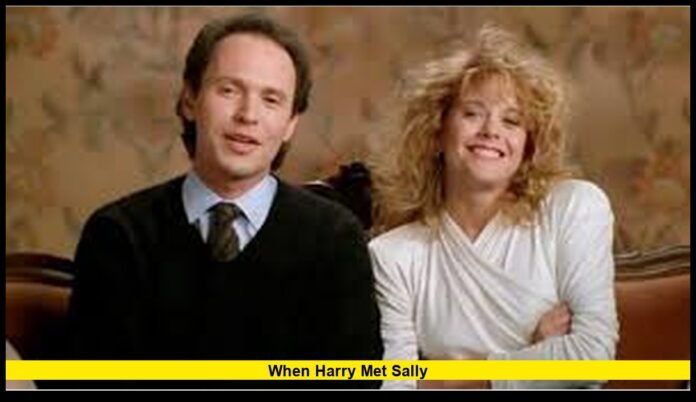

When Harry Met Sally remains one of the most enduring and influential romantic films in American cinema, and its relevance has only deepened with time. More than thirty-five years after its release, the movie continues to spark conversation about relationships, friendship, emotional timing, and the complicated ways people fall in love. Its themes feel just as current today as they did in 1989, proving that honest storytelling never ages.
This in-depth, long-form article offers a fully expanded and carefully written examination of When Harry Met Sally, staying entirely focused on the film, its characters, its cultural legacy, and its continued resonance with U.S. audiences. Every section has been expanded to provide deeper insight, richer context, and lasting value for readers.
A Film That Quietly Redefined the Romantic Comedy
At its core, When Harry Met Sally did something rare. It changed the romantic comedy genre without announcing that it was doing so. Instead of flashy gestures or unrealistic coincidences, the film relied on conversation, time, and emotional honesty. It trusted viewers to pay attention to how relationships actually develop.
The story unfolds over twelve years, allowing the audience to witness how people change with experience, disappointment, and self-reflection. This long timeline was unusual for romantic films at the time. It gave the characters room to evolve naturally, rather than forcing them into quick resolutions.
By choosing realism over fantasy, the film created a blueprint that many others attempted to follow. Few succeeded, because realism requires patience and confidence in the material. When Harry Met Sally never rushes its emotional beats, and that restraint is one of its greatest strengths.
The Central Question That Drives the Story
The entire film revolves around a single question: can men and women truly be just friends? Rather than answering this question directly, the movie explores it from multiple angles. It allows the characters to argue, change their minds, contradict themselves, and grow.
Harry begins the story convinced that attraction inevitably complicates friendship. Sally initially believes the opposite. Over time, both perspectives are tested by real experiences rather than abstract ideas.
What makes this exploration compelling is that the film never declares one viewpoint universally correct. Instead, it suggests that human relationships are too complex for simple rules. This openness invites viewers to reflect on their own beliefs and experiences.
Nora Ephron’s Writing and Emotional Intelligence
The screenplay, written by Nora Ephron, is widely regarded as one of the finest ever produced in the romantic genre. Its brilliance lies in how natural the dialogue feels. Conversations flow the way real conversations do. People interrupt each other, change subjects, and reveal themselves unintentionally.
Ephron’s writing captures emotional truth without becoming heavy or sentimental. Humor emerges organically from personality differences and misunderstandings. Even the most famous lines feel grounded in character rather than designed for applause.
Her understanding of relationships is evident throughout the film. She acknowledges fear, defensiveness, longing, and self-sabotage without judging any of it. This compassionate perspective allows audiences to connect deeply with the characters.
Rob Reiner’s Direction and Visual Restraint
Rob Reiner’s direction complements the screenplay perfectly. He avoids unnecessary visual distractions and allows scenes to breathe. Many moments consist simply of two people talking, walking, or sitting together.
This simplicity keeps the focus on performance and dialogue. It also reinforces the idea that meaningful moments often happen in ordinary settings. Love does not require grand locations. It requires attention.
Reiner’s pacing is deliberate. He understands when to linger and when to move forward. This control ensures that emotional shifts feel earned rather than abrupt.
Billy Crystal’s Harry Burns: Cynicism with Depth
Harry Burns is not immediately likable in a traditional sense. He is cynical, opinionated, and sometimes insensitive. Yet Billy Crystal’s performance gives the character depth and vulnerability beneath the surface.
Harry uses humor as a shield. His jokes often mask anxiety about loss, aging, and emotional risk. As the story progresses, viewers begin to understand the reasons behind his defensiveness.
Crystal’s delivery is precise. He balances comedy with sincerity, allowing Harry’s growth to feel gradual and authentic. By the end of the film, Harry is not a different person. He is a more honest version of himself.
Meg Ryan’s Sally Albright: Control, Growth, and Vulnerability
Sally Albright enters the story as organized, optimistic, and emotionally structured. She believes that life works best when rules are followed and expectations are clear. Meg Ryan’s performance brings warmth and intelligence to these traits.
Sally’s journey is one of emotional awakening rather than transformation. She does not abandon her values. She learns how to adapt them when reality challenges her assumptions.
Ryan’s ability to balance confidence with vulnerability made Sally an iconic character. She represents emotional clarity without rigidity and strength without coldness.
Chemistry That Feels Earned, Not Forced
The connection between Harry and Sally develops slowly, built on shared experiences rather than immediate attraction. Their chemistry feels believable because it grows out of friendship, disagreement, and mutual respect.
They challenge each other intellectually and emotionally. They listen, argue, and support one another in ways that feel real. This dynamic creates tension without relying on artificial obstacles.
The film’s decision to let their relationship unfold over years rather than weeks is crucial. It allows viewers to understand why these two people ultimately choose each other.
Supporting Characters and Emotional Contrast
Marie and Jess serve as a counterpoint to Harry and Sally. Their relationship progresses quickly and decisively, offering a different model of love. This contrast reinforces the idea that there is no single correct timeline for relationships.
Their presence also adds humor and warmth to the story. They provide perspective and grounding, reminding viewers that love can take many forms.
The interspersed interviews with older couples further deepen the film’s emotional texture. These moments highlight the diversity of love stories and the enduring nature of connection.
Dialogue That Entered Everyday Language
Many lines from When Harry Met Sally have become part of everyday conversation. This lasting impact is a testament to the screenplay’s clarity and relatability.
The dialogue captures moments people recognize instantly: overthinking, defensiveness, awkward honesty, and sudden realization. These moments resonate because they are universal.
Rather than relying on trends, the film speaks to timeless human behavior. That is why its words still feel relevant today.
The Deli Scene and Cultural Memory
The deli scene is often referenced as one of the most memorable moments in film history. While humorous, it also reflects Sally’s self-awareness and confidence.
Its impact extends beyond comedy. It challenged norms, sparked conversation, and became a cultural touchstone. The scene’s success lies in its boldness and its grounding in character truth.
Rather than overshadowing the film, it enhances its reputation as fearless and honest.
New Year’s Eve and Emotional Resolution
The final act of the film takes place on New Year’s Eve, a setting that symbolizes reflection and renewal. Harry’s realization about his feelings for Sally comes after a series of losses and insights.
His declaration is powerful because it is specific. He loves Sally for who she is, not who he wants her to be. This specificity makes the moment deeply satisfying.
The ending does not suggest perfection. It suggests commitment and acceptance, which feels far more realistic.
Critical Reception and Lasting Recognition
From its release, When Harry Met Sally was praised for its intelligence and originality. Over time, it has been consistently ranked among the greatest romantic films ever made.
Its screenplay is studied in writing programs. Its performances are referenced in acting discussions. Its structure is analyzed by filmmakers.
Few films maintain such consistent respect across decades.
Why the Film Still Resonates Today
Modern audiences continue to connect with the film because its themes remain relevant. Technology has changed how people meet, but emotional challenges remain the same.
Fear of vulnerability, confusion about timing, and the search for connection are universal experiences. The film addresses these issues without judgment.
It offers comfort without false promises, making it especially resonant in uncertain times.
Rewatch Value and Generational Appeal
Each viewing of When Harry Met Sally reveals new insights. Younger viewers may identify with Sally’s optimism. Older viewers may recognize Harry’s fear of loss.
This layered appeal ensures that the film grows with its audience. It feels different at different stages of life while remaining fundamentally the same.
That adaptability is rare and valuable.
Visual Style, Music, and Atmosphere
The film’s visual tone emphasizes warmth and familiarity. Seasonal transitions reflect emotional shifts, grounding the story in real time.
The music supports the narrative without overwhelming it. It reinforces nostalgia and emotional continuity.
Every aesthetic choice serves the story rather than distracting from it.
Influence Without Imitation
Many films have attempted to replicate When Harry Met Sally. Some borrowed its structure. Others mimicked its humor.
What most failed to capture was its sincerity. The film never tries to impress. It tries to understand.
That sincerity is what keeps it unmatched.
A Film That Resists Reinvention
Notably, the film has avoided remakes or reboots. This absence has preserved its integrity.
The story feels complete. Its themes do not require updating because human emotions remain constant.
This restraint has allowed the film to age gracefully.
Lessons That Continue to Matter
The film suggests that love is not about certainty or perfection. It is about recognition and choice.
It encourages honesty, patience, and emotional courage. These lessons remain relevant at any age.
Viewers often leave the film reflecting on their own relationships and choices.
Enduring Place in American Culture
When Harry Met Sally has become more than a movie. It is a shared cultural reference point.
It appears in discussions about love, friendship, and personal growth. It is revisited during reflective seasons and life transitions.
Its presence in American culture remains strong and meaningful.
Final Reflections on a Timeless Story
Decades after its release, When Harry Met Sally continues to define what thoughtful romantic storytelling looks like. Its characters feel real. Its dialogue feels lived-in. Its emotional truths still resonate.
The film does not promise easy answers. It offers understanding, humor, and hope.
What does When Harry Met Sally mean to you today? Share your thoughts and stay connected to the conversation.