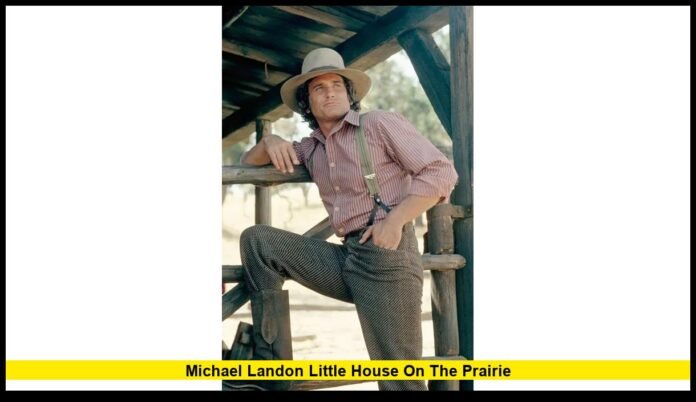

Michael Landon Little House on the Prairie continues to stand as one of the most powerful and enduring combinations in U.S. television history, reflecting storytelling values that remain meaningful to American audiences even today.
When Little House on the Prairie debuted in 1974, it entered a television landscape dominated by urban settings, sitcom humor, and social experimentation. Against that backdrop, the show felt different from the start. It presented a slower pace, a rural setting, and deeply personal stories centered on family, morality, and resilience. At the center of it all stood Michael Landon, whose influence shaped nearly every aspect of the series. His work as actor, writer, director, and producer ensured that the show carried a unified emotional voice. That voice still resonates strongly in the United States, decades after the final episode aired.
Michael Landon’s Creative Vision and Personal Investment
Michael Landon approached Little House on the Prairie not as a routine television job but as a personal mission. He saw the series as an opportunity to tell stories that reflected the struggles, hopes, and moral choices faced by everyday families. This vision guided the tone of the show from its earliest episodes and remained consistent throughout its long run.
Landon was deeply involved in shaping scripts, refining dialogue, and ensuring emotional authenticity. He believed that viewers could sense honesty in storytelling and would respond to it. Rather than relying on exaggerated drama or spectacle, he focused on relatable conflicts. These often involved family decisions, community responsibilities, and personal growth. His investment went beyond professional duty; it reflected his belief in television as a meaningful medium.
The Creation of Charles Ingalls as a Timeless Character
Charles Ingalls became one of the most recognizable and respected father figures in American television largely because of Michael Landon’s nuanced portrayal. He avoided portraying Ingalls as flawless. Instead, he showed him as a man who struggled, doubted himself, and learned from mistakes. This realism allowed viewers to connect deeply with the character.
Charles Ingalls worked hard, faced repeated financial setbacks, and endured personal loss. Landon portrayed these experiences with restraint rather than melodrama. His performance emphasized quiet strength and emotional availability. This approach contrasted with many television portrayals of masculinity at the time and contributed to the character’s lasting relevance.
Balancing Frontier Reality with Emotional Accessibility
The historical setting of Little House on the Prairie posed unique storytelling challenges. Frontier life involved hardship, isolation, and limited resources. Michael Landon understood that while historical accuracy mattered, emotional accessibility mattered more. He ensured that the show conveyed the reality of the era without alienating modern viewers.
Episodes focused on universal experiences such as family conflict, moral dilemmas, and community bonds. The frontier setting provided context rather than distraction. By grounding stories in shared human emotions, Landon ensured that viewers could relate regardless of historical distance.
Michael Landon’s Directing Style and Emotional Focus
As a director, Michael Landon developed a style that prioritized emotional clarity. He often used close framing to capture subtle expressions, allowing viewers to feel intimately connected to characters. Scenes unfolded at a deliberate pace, giving moments time to breathe.
Landon avoided flashy techniques. Instead, he trusted performances and dialogue to carry emotional weight. This approach reinforced the show’s sincerity. Viewers were not rushed through important moments, which made emotional payoffs more impactful.
Writing Stories That Encouraged Reflection
Michael Landon wrote or co-wrote many episodes of Little House on the Prairie. His scripts often posed moral questions without offering easy answers. Characters faced consequences, learned lessons, and sometimes failed. This complexity gave the show depth.
Rather than preaching, Landon allowed stories to unfold naturally. Viewers were invited to reflect on decisions made by characters. This subtlety distinguished the show from others that relied on overt messaging.
Why American Families Embraced the Series
During its original run, Little House on the Prairie became a trusted part of family viewing in the United States. Parents felt comfortable watching the show with children, knowing it would encourage discussion rather than confusion.
The series addressed serious topics, including illness, discrimination, and loss, but did so with care. Michael Landon ensured that hope remained present even in difficult episodes. This balance helped families engage with challenging subjects in a safe environment.
Emotional Storytelling That Left a Lasting Impression
Many viewers remember specific episodes decades later, a testament to the show’s emotional impact. Michael Landon believed that television should leave a lasting impression, not just fill time. Emotional scenes were often understated, allowing viewers to bring their own experiences into the moment.
These stories often explored grief, forgiveness, and resilience. They resonated because they reflected real life. This emotional honesty remains a key reason the show continues to attract viewers today.
Longevity Through Syndication and Streaming
After its original broadcast ended, Little House on the Prairie found a second life through syndication. Reruns introduced the series to new audiences and reinforced its place in American culture. Over time, streaming platforms further expanded access.
Modern viewers can now watch episodes consecutively, deepening their connection to long-term character arcs. This accessibility has contributed to renewed interest in Michael Landon’s work and the show’s enduring popularity.
Social Media and Modern Rediscovery
In recent years, social media has played a significant role in reintroducing Little House on the Prairie to younger audiences. Short clips, emotional scenes, and memorable lines circulate widely, often accompanied by personal reflections.
These posts spark conversations about storytelling, values, and family dynamics. Michael Landon’s approach is frequently contrasted with modern television trends, highlighting the show’s sincerity and restraint.
Professional Discipline and Leadership on Set
Michael Landon was known for his demanding work ethic. He expected commitment and professionalism from cast and crew. While his standards were high, many colleagues credited him with creating a focused and purposeful work environment.
His leadership ensured consistency across episodes and seasons. This discipline contributed to the show’s long-term success and reputation for quality.
Handling Difficult Themes with Sensitivity
Despite its gentle tone, Little House on the Prairie addressed complex issues such as disability, addiction, and social injustice. Michael Landon approached these subjects with empathy rather than sensationalism.
He believed that television had a responsibility to reflect real challenges while offering hope. Episodes dealing with heavy topics often emphasized understanding and compassion. This approach allowed the show to remain meaningful without becoming overwhelming.
A Unique Place in Television History
Within American television history, Little House on the Prairie occupies a distinctive position. It combined historical context with timeless themes, creating a series that felt both specific and universal.
Michael Landon’s leadership demonstrated that long-running dramas could maintain emotional integrity. The show’s success influenced later family-centered series and continues to be referenced in discussions about quality television.
Why Michael Landon Defines the Series
Although Little House on the Prairie featured a strong ensemble cast, Michael Landon remained its emotional center. His presence provided continuity as storylines evolved. Viewers often associate the show primarily with his portrayal of Charles Ingalls.
This association persists today. Discussions about the series frequently focus on Landon’s performance and creative choices. His influence is inseparable from the show’s identity.
Educational and Moral Relevance
Educators and parents continue to reference Little House on the Prairie as a valuable cultural resource. Michael Landon’s storytelling emphasized responsibility, empathy, and resilience.
The historical setting encourages curiosity about American history, while the moral lessons remain applicable. This combination enhances the show’s relevance across generations.
Generational Connection and Cultural Continuity
Few television series successfully bridge generational gaps. Little House on the Prairie has achieved this by focusing on universal values. Parents introduce the show to children, creating shared viewing experiences.
This continuity reinforces the show’s status as a cultural touchstone. Michael Landon’s work serves as a common reference point across age groups.
Reflecting on Michael Landon’s Broader Legacy
While Michael Landon worked on several successful television projects, Little House on the Prairie remains his most defining contribution. It showcased his commitment to meaningful storytelling and emotional honesty.
His influence extends beyond the series itself. Landon demonstrated how television could entertain while encouraging reflection. This legacy continues to shape conversations about the medium.
Why the Series Still Matters Today
In an era dominated by fast-paced content and visual spectacle, Little House on the Prairie offers a different experience. Michael Landon’s approach emphasized patience, empathy, and human connection.
Audiences continue to seek stories that feel authentic. The sustained interest in the series suggests that these qualities remain deeply valued in American culture.
Modern Perspective on a Timeless Series
Revisiting Little House on the Prairie today highlights both its historical roots and its enduring relevance. While production styles have evolved, the show’s emotional core remains powerful.
Michael Landon’s work demonstrates that thoughtful storytelling transcends time. This perspective has helped cement the series as a lasting part of American television history.
The Enduring Power of Michael Landon and Little House on the Prairie
Ultimately, Little House on the Prairie endures because it speaks to fundamental human experiences. Michael Landon’s vision brought these stories to life with sincerity and care.
His work reminds viewers that television can inspire empathy, understanding, and reflection. This enduring power ensures that the series remains relevant for future generations.
How has Michael Landon’s work on Little House on the Prairie influenced your view of family and storytelling? Share your thoughts and stay connected as this timeless legacy continues to inspire.