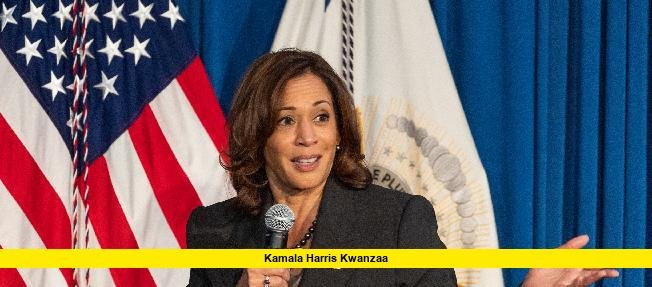

As the winter holiday season continues across the United States, former Vice President kamala harris kwanzaa reflections and recent public engagements highlight a broader narrative about her role in national cultural and political discourse. While no official 2025 Kwanzaa message from Harris has been released as of today, her past remarks and continued public presence offer clear insight into how she engages with cultural observances like Kwanzaa and her evolving place in American public life post-vice presidency.
In this deep-dive article, we explore what kamala harris kwanzaa messages have meant in the past, how that interacts with her current work and public perception, and what it suggests about her influence on national conversations around cultural celebration and diversity in the United States.
Understanding Kwanzaa: A Cultural Celebration
Kwanzaa is a weeklong cultural celebration observed from December 26 to January 1 that honors African American heritage and community principles. It is rooted in the Nguzo Saba, or Seven Principles, which emphasize unity, self-determination, collective responsibility, cooperative economics, purpose, creativity, and faith. Families and communities worldwide light the kinara (a candleholder with seven candles) each night, each candle representing one of these core principles.
Although not a religious holiday, Kwanzaa holds deep cultural significance for many African Americans and people of African descent. It is often celebrated alongside other December holidays, including Christmas and Hanukkah. Its distinct purpose is to uplift African heritage and foster community cohesion.
Kamala Harris’s Past Kwanzaa Messages
In previous years, Harris has publicly acknowledged Kwanzaa and shared personal reflections related to her own experiences with the celebration. In a message from 2024, she extended holiday greetings at the start of Kwanzaa alongside the President, recounting how the celebration was a “special time of reflection with family and friends” during her youth. She urged Americans to carry “the wisdom of the seven principles” into their efforts to build a brighter future.
Her sentiment resonated with many Americans who value inclusive holiday messages that recognize the diverse traditions celebrated across the country. These messages were framed not as political talking points but as celebration of cultural heritage and shared values across communities.
What Kamala Harris Is Doing Now (Post-Vice Presidency)
Following her departure from office on January 20, 2025, Harris has remained active in public life. She and her husband moved to Los Angeles and were involved in community efforts like distributing food to wildfire victims. In February 2025, she signed with a major talent agency to expand her speaking and publishing work. In March, her former security clearance was revoked, a notable development in her transition out of government.
Throughout the year, she has made public appearances and delivered speeches that touch on civic engagement, leadership, and social issues. One of her most significant post-office efforts has been the release of her memoir, 107 Days, which chronicles her 2024 presidential campaign — “the shortest in modern history”, as she describes it — and reflects on her approach to leadership, resilience, and the challenges she faced.
Harris also continues to participate in speaking tours, book promotions, and cultural events, maintaining a visible role as an author and public figure. Her appearances often draw attention and packed audiences — suggesting that her voice still resonates with large segments of the American public.
Holiday Inclusivity and Public Reaction
In the broader holiday season, discussions about inclusivity and public holiday messages have occasionally drawn varied responses. Some critics have mischaracterized past remarks by Harris on holiday greetings, but a careful review of her statements shows consistent support for recognizing a range of winter traditions that Americans celebrate — from Christmas to Hanukkah to Kwanzaa.
The goal of that recognition has been to reflect the cultural diversity of the nation. Rather than diminishing one tradition to uplift another, Harris’s inclusive language reflects a broader trend in American civic communication that seeks to acknowledge varied cultural observances in a pluralistic society.
The Continuing Importance of Cultural Dialogue
Holidays such as Kwanzaa often spark conversations about cultural identity, heritage, and unity. Leaders’ messages around these observances can have an impact on how communities feel seen and included. Harris’s past Kwanzaa messages echoed themes of reflection, unity, and family — principles that align with the holiday’s spirit and resonate widely.
Although official holiday statements from Harris for the 2025 Kwanzaa observance have not been issued as of this writing, her long-standing appreciation for the celebration remains clear. Her reflections on such cultural moments contribute to a broader dialogue about multicultural values in America.
Beyond the Holidays: Harris’s Broader Narrative
While reflections on cultural celebrations are meaningful, Harris’s public trajectory also spans politics, policy critique, and national identity conversations. She has criticized economic policies and social direction where she sees disparities. She uses her public platform to engage audiences on topics beyond cultural holidays — including civil rights, civic engagement, and leadership challenges.
Even as her formal political career has shifted, Harris remains a voice in public debates about what unity, inclusion, and democratic participation mean in modern America.
What’s Ahead for Kamala Harris
As Harris continues her public engagements and book tours into 2026, her influence is likely to remain a subject of attention for U.S. audiences. Her reflections on American culture, leadership, and community values keep her part of national conversations, even as she navigates life beyond elected office.
Whether through personal reflections on cultural traditions like Kwanzaa, commentary on political developments, or narrative explorations in her memoir, Harris’s perspectives continue to resonate with audiences across the nation.
We’d love to hear your thoughts on how cultural celebrations like Kwanzaa shape national conversations — share your views below!