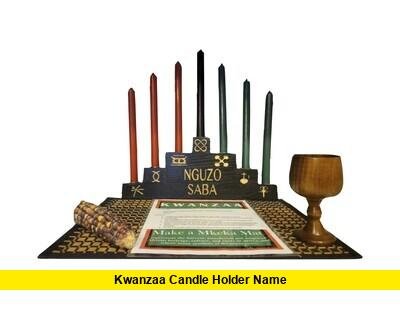

As Kwanzaa continues to be observed across the United States from December 26 through January 1, one cultural symbol remains at the heart of every celebration: the kwanzaa candle holder name, known as the kinara. This seven-candle holder is not simply a decorative object. It represents the foundation of Kwanzaa’s values, history, and purpose. In homes, schools, cultural centers, and community gatherings nationwide, the kinara serves as the focal point where reflection, unity, and heritage come together.
Understanding the kinara offers deeper insight into what Kwanzaa stands for and why the holiday continues to hold significance for millions of Americans today.
What Is the Kinara and Why Its Name Matters
The official kwanzaa candle holder name is kinara, a word rooted in Swahili. It is designed to hold seven candles, called mishumaa saba, arranged in a specific color pattern and order. Each candle represents a core principle of Kwanzaa, known as the Nguzo Saba.
The kinara’s name matters because it connects the holiday directly to African cultural traditions and language. Swahili was intentionally chosen when Kwanzaa was established to reflect a unifying African heritage rather than a single regional identity. By using the word kinara, Kwanzaa reinforces its focus on shared values, cultural continuity, and collective identity.
The Structure and Symbolism of the Kinara
The kinara holds seven candles arranged in a precise layout. At the center is one black candle. To the left are three red candles, and to the right are three green candles. This arrangement is never random. Each color carries symbolic meaning that reflects both historical experience and future aspirations.
- Black represents the people and their shared identity
- Red symbolizes struggle, sacrifice, and perseverance
- Green represents hope, growth, and the future
Together, these colors reflect the Pan-African tradition and emphasize themes of resilience and progress. The kinara itself is often handcrafted and made from wood, clay, or metal, reflecting African artistry and creativity.
How the Kinara Is Used During Kwanzaa
Each night of Kwanzaa centers on lighting one candle in the kinara. The ceremony begins on December 26 with the lighting of the black candle in the center. On each following night, one additional candle is lit, alternating between red and green.
This ritual is intentional and meaningful. Families often gather together to discuss the principle associated with that day, sharing personal reflections, stories, and goals. The kinara becomes the physical and emotional center of these conversations.
The lighting sequence reinforces unity and balance, reminding participants that individual progress is tied to collective responsibility.
The Seven Principles Represented by the Kinara
Each candle in the kinara represents one of the Nguzo Saba, the seven principles that guide Kwanzaa:
- Umoja (Unity) – Emphasizes togetherness in family and community
- Kujichagulia (Self-Determination) – Encourages defining and naming oneself
- Ujima (Collective Work and Responsibility) – Promotes shared problem-solving
- Ujamaa (Cooperative Economics) – Supports building and sustaining community businesses
- Nia (Purpose) – Focuses on collective vocation and legacy
- Kuumba (Creativity) – Inspires creativity to leave the community better than it was found
- Imani (Faith) – Encourages belief in people, parents, teachers, and leaders
The kinara is the tool through which these principles are honored, discussed, and passed down across generations.
Placement of the Kinara in Kwanzaa Displays
The kinara is traditionally placed on a woven mat known as a Mkeka. This mat symbolizes history and foundation. Surrounding the kinara are other symbols of Kwanzaa, including crops to represent harvest, corn to symbolize children, gifts to reflect learning and creativity, and a unity cup used for shared libations.
Together, these elements form a complete Kwanzaa display, with the kinara always positioned at the center. Its placement underscores its importance as the heart of the celebration.
Cultural Importance of the Kinara in American Communities
Across the United States, the kinara has grown beyond a household tradition. Public kinara lightings now take place in cities, schools, museums, libraries, and community centers. These gatherings often include music, storytelling, poetry, and educational programming that highlight African and African American history.
In classrooms, the kinara is used as a teaching tool to introduce students to cultural values, community responsibility, and history. Because Kwanzaa is a cultural holiday rather than a religious one, the kinara is welcomed in diverse settings and used as a symbol of inclusion and learning.
Kinara Designs and Modern Interpretations
While the symbolism of the kinara remains consistent, its design has evolved over time. Some kinara styles reflect traditional African craftsmanship, while others incorporate modern materials and minimalist designs. Despite aesthetic differences, all authentic kinara designs preserve the seven-candle structure and color symbolism.
Many families pass down kinara from generation to generation, giving them personal and emotional significance. Others choose a new kinara each year as a way to refresh their celebration while honoring tradition.
Why the Kinara Continues to Matter Today
In a fast-changing world, the kinara offers a moment of pause and reflection. It encourages families and communities to come together, discuss shared values, and focus on collective growth rather than individual achievement alone.
The kinara’s role in Kwanzaa highlights themes that remain relevant today: unity, responsibility, creativity, and faith in the future. These values resonate across generations and cultural backgrounds, helping Kwanzaa maintain its place in American cultural life.
As awareness of Kwanzaa grows, understanding the kinara helps deepen appreciation for the holiday’s purpose and meaning.
The Kinara as a Living Symbol
More than five decades after Kwanzaa was first introduced, the kinara remains a living symbol. Each year, as candles are lit, conversations are sparked, lessons are shared, and connections are strengthened.
The kwanzaa candle holder name carries with it a legacy of resilience, pride, and hope. Whether used in a quiet home ceremony or a large community gathering, the kinara continues to illuminate the principles that define Kwanzaa and inspire those who observe it.
What does the kinara represent in your Kwanzaa celebration, and how do its principles guide your traditions?