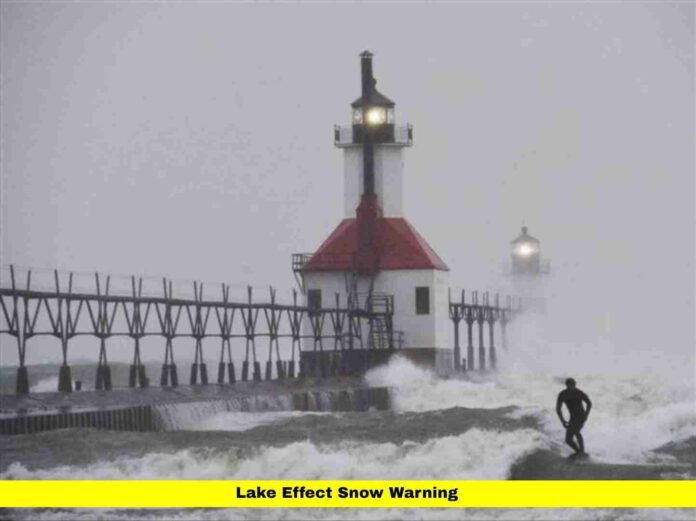

A lake effect snow warning is currently in effect across parts of Michigan as heavy snow bands develop over regions downwind of Lake Michigan. Strong Arctic air moving over the relatively warm lake surface has created conditions for intense localized snowfall. Residents are experiencing rapidly accumulating snow, reduced visibility, and hazardous travel conditions. The warning highlights areas most at risk for heavy, sudden snow and emphasizes the importance of preparation for both residents and local authorities.
Snowfall intensity can vary dramatically over short distances, causing some communities to see several inches in a few hours while nearby areas see lighter flurries. The current weather pattern is expected to persist into the next 24–48 hours, requiring continued monitoring and caution.
Understanding the Lake Effect Snow Warning
A lake effect snow warning signals that localized snow bands produced by cold air moving over warm lake waters are expected to produce significant snowfall in specific areas. These snow bands are narrow but intense, forming where the temperature difference between the lake surface and the air above causes moisture to rise, cool, and condense as snow. The warning is distinct from general winter storm warnings because it targets areas where snow will concentrate sharply and accumulate quickly.
Residents in affected zones can expect rapidly changing conditions with sudden heavy snow, often accompanied by strong winds that reduce visibility. Roads, sidewalks, and smaller streets can become hazardous very quickly. This localized intensity means that even nearby towns may experience vastly different snowfall totals, underscoring the need for vigilance.
Current Weather Conditions Driving Snow Bands
The current winter pattern features cold Arctic air flowing over Lake Michigan, where warmer water temperatures provide energy and moisture. This instability triggers the formation of snow showers, which organize into bands that can produce rapid accumulation. Strong winds steer these bands toward the western and northern Lower Peninsula, concentrating snowfall along the lakeshore and immediately downwind areas.
Gusty winds enhance snow drifting, further reducing visibility and creating additional hazards for travel and outdoor activities. Snowfall rates within these bands can reach multiple inches per hour, and accumulation may quickly overwhelm untreated roads. Inland areas may experience lighter snow, but bursts from shifting bands can still produce sudden heavy accumulation.
Regions Most Impacted
The heaviest snow is expected in western Michigan counties along and just inland from Lake Michigan. Cities and communities such as Manistee, Muskegon, Ludington, Traverse City, and Cadillac are seeing the most significant accumulation. Snowfall totals in these areas could range from a few inches to well over a foot in places near the lakeshore.
Inland communities may also receive snow, though amounts tend to be lower than the immediate lakefront. Areas east and north of the primary snow bands can experience intermittent heavy snow bursts as the bands shift. Snow drifting caused by gusty winds can increase depth in localized spots, particularly on open roads and rural highways, making travel more dangerous.
Timing and Duration of the Warning
The lake effect snow warning remains in effect through Monday and into early Tuesday as cold air continues to flow over Lake Michigan. Snow bands are expected to persist, with gusty winds maintaining conditions favorable for drifting snow and reduced visibility.
Snowfall intensity may fluctuate as bands shift, but heavy snow is expected to continue in the warning zones until the cold air mass over the lake moderates. Residents should be prepared for multiple bursts of heavy snow over this period, with short periods of lighter snow in between.
Travel Conditions and Road Safety
Lake effect snow creates challenging travel conditions. Roads can quickly become snow-covered and slick, and blowing snow can reduce visibility to near zero. Highways and major roads may be treated by snow crews, but side streets and rural roads often remain hazardous for longer periods.
Bridges and overpasses freeze faster and require extra caution. Drivers are advised to reduce speed, allow for longer stopping distances, and avoid non-essential travel during peak snow bands. Keeping vehicles stocked with emergency supplies, including blankets, water, and a charged phone, is highly recommended.
Impact on Power and Infrastructure
Heavy snow combined with gusty winds increases the risk of power outages. Ice accumulation on trees and limbs adds weight that can cause branches to fall onto power lines. Localized outages may occur, and utility crews can face difficult conditions when accessing damaged infrastructure. Residents should prepare for possible temporary outages by having flashlights, blankets, and other essentials readily available.
Snow drifts and accumulated snow can block driveways and access roads, making it difficult for repair crews to reach affected areas quickly. Communities are urged to maintain clear pathways and allow crews to work safely.
Schools, Businesses, and Community Operations
Lake effect snow warnings often impact schools and workplaces. Some districts may delay opening, switch to remote learning, or close entirely depending on accumulation and road conditions. Businesses may adjust operating hours or encourage remote work to ensure employee safety.
Municipal services, including mail delivery, waste collection, and public transportation, may also be affected by heavy snow and limited visibility. Residents are encouraged to check local advisories and adjust plans accordingly.
Understanding Snow Bands and Their Behavior
Lake effect snow bands form when cold air passes over warmer lake water, creating rising moist air that cools and condenses as snow. These bands are narrow and intense, producing heavy snow in a limited area while nearby locations receive little accumulation. The bands’ location and intensity can shift rapidly, making real-time monitoring essential for forecasting and safety.
Lake effect snow is most common when lakes are not frozen and Arctic air is particularly cold. Lake Michigan, with its large surface area, is especially prone to generating strong snow bands during these conditions.
Preparedness and Safety Tips
Residents in warning areas should take several precautions. Layered clothing, waterproof boots, and adequate heating supplies help prevent cold-related health issues. Keep emergency kits stocked with food, water, flashlights, and batteries.
Vehicles should carry blankets, water, and a fully charged phone. Avoid travel during heavy snow bursts, and if driving is necessary, reduce speed and maintain safe distances. Pets should be kept indoors or provided with adequate shelter.
Clearing snow from sidewalks and entryways reduces slip hazards, and monitoring local weather updates helps residents adapt to changing conditions. Families should have a communication plan to ensure all members are safe and accounted for during periods of heavy snow.
Historical Context of Lake Effect Snow
Lake effect snow has long been a feature of winter weather in Michigan. Past events have produced intense localized snowfall, often exceeding a foot within hours along the lakeshore. Communities have developed snow removal strategies, safety protocols, and public communication plans to respond effectively to these events.
Each lake effect snow event varies in intensity, location, and duration, making vigilance and preparation essential. Understanding historical patterns helps residents anticipate which areas are most vulnerable and plan accordingly.
Forecast and Outlook
The lake effect snow warning is expected to remain in effect through early Tuesday as cold air continues to flow over Lake Michigan. Snow bands may shift eastward or inland, producing bursts of heavy snow in new locations. Accumulations will be highest near the lakeshore, with drifting snow increasing depth on roads and open areas.
Once the cold air moderates and the lake surface cools, snow intensity will decrease, but residents should remain prepared until conditions improve. Continuous monitoring of weather updates is recommended to track changes in snowfall and wind.
Lake effect snow warnings demonstrate how localized winter weather can rapidly change conditions and create hazards. Share your snowfall experiences, travel updates, and safety tips in the comments below and stay informed as conditions develop.