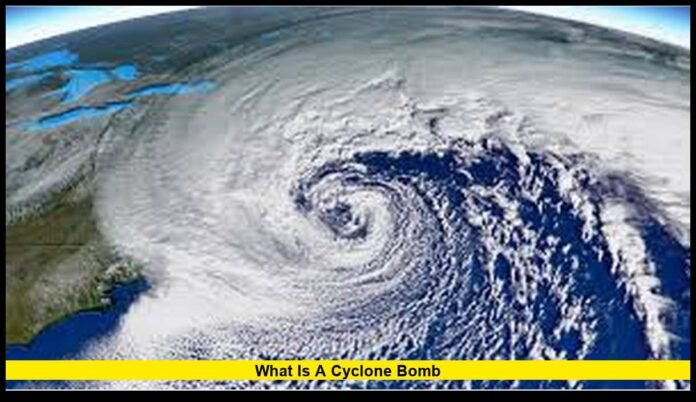

What is a cyclone bomb has become a major question across the United States as fast-intensifying winter storms disrupt travel, strain power grids, and bring dangerous weather conditions to millions of people. A cyclone bomb, more commonly called a bomb cyclone, is a rapidly strengthening storm system that forms outside the tropics and can produce extreme winds, heavy snow, freezing rain, coastal flooding, and sudden temperature drops. As winter weather patterns remain active across the country, understanding this type of storm is essential for safety, preparedness, and awareness.
This article offers a comprehensive explanation of what a cyclone bomb is, how it forms, why it is so disruptive, and how it continues to affect the U.S. during the current winter season. The focus remains entirely on this weather phenomenon, with clear explanations and up-to-date context relevant to American readers.
Understanding the Meaning of a Cyclone Bomb
A cyclone bomb refers to a midlatitude low-pressure storm system that intensifies extremely fast. Meteorologists use a specific benchmark to identify this type of storm. When a storm’s central pressure drops by at least 24 millibars within a 24-hour period, it qualifies as a cyclone bomb. This rapid strengthening process is known scientifically as explosive cyclogenesis.
The term “bomb” does not imply an explosion. Instead, it reflects how abruptly the storm strengthens. What might start as an ordinary low-pressure system can transform into a powerful, wide-reaching storm in less than a day.
Cyclone bombs typically form outside tropical regions and rely on sharp temperature contrasts rather than warm ocean water alone. This makes them very different from hurricanes, even though the impacts can sometimes be just as severe.
Why Cyclone Bombs Develop So Quickly
The defining feature of a cyclone bomb is speed. The storm’s energy builds rapidly due to several atmospheric factors coming together at once.
Key elements include:
- Cold Arctic air pushing southward
- Warm, moist air moving northward from oceans or lower latitudes
- A strong jet stream that enhances lift and rotation
When these forces collide, the atmosphere becomes highly unstable. Air rises quickly, pressure drops sharply, and wind speeds increase. This chain reaction allows the storm to strengthen far faster than a typical winter system.
Because this process happens so quickly, forecasts can change within hours, leaving limited time for preparation.
Current Role of Cyclone Bombs in U.S. Weather
During the current winter season, cyclone bombs are playing a major role in shaping weather patterns across the United States. Several regions have experienced significant impacts as rapidly intensifying storms move across the country.
Great Lakes and Upper Midwest Effects
In the Great Lakes and Upper Midwest, cyclone bomb activity has brought blizzard conditions, heavy snowfall, and intense winds. Snowfall has accumulated quickly in short periods, reducing visibility and making roads impassable in some areas. Strong winds have caused drifting snow, worsening travel conditions even after snowfall ends.
Communities in these regions are facing extended periods of cold following the storm, increasing risks related to frozen pipes, power demand, and exposure.
Northeast Disruptions
The Northeast continues to see major impacts from cyclone bomb-related systems. Snow, ice, and strong winds have disrupted flights, closed schools, and created hazardous road conditions. In coastal areas, strong winds combined with high tides have increased the risk of flooding and erosion.
Because these storms often affect large geographic areas, the Northeast frequently experiences ripple effects even when the storm’s center passes hundreds of miles away.
Central and Eastern States
Further south and east, cyclone bombs often bring freezing rain, sleet, and sudden temperature drops. These conditions can be especially dangerous because ice accumulates quickly and creates long-lasting hazards for drivers and pedestrians.
Power outages are common in these zones due to ice-coated power lines and falling tree limbs.
How Cyclone Bombs Differ From Other Winter Storms
Not every winter storm is a cyclone bomb. The difference lies in how quickly the storm strengthens, not just how intense it becomes.
A standard winter storm may take several days to organize and intensify. A cyclone bomb can reach peak strength in less than 24 hours. This rapid development leads to stronger pressure gradients, which produce higher winds and more dramatic weather changes.
Unlike lake-effect snow systems or slow-moving frontal storms, cyclone bombs tend to affect multiple states at once, making them national-level weather events rather than localized ones.
Cyclone Bombs vs. Hurricanes
Although cyclone bombs and hurricanes can produce similar impacts, they are fundamentally different systems.
Cyclone bombs:
- Form in midlatitude regions
- Are driven by temperature contrasts
- Have cold-core structures
- Occur mainly in fall, winter, and early spring
Hurricanes:
- Form over warm tropical waters
- Are fueled by heat from the ocean
- Have warm-core structures
- Occur mainly during late summer and early fall
Despite these differences, both storms can bring destructive winds, flooding, and widespread disruption.
Why Winds Are So Strong in Cyclone Bombs
One of the most dangerous aspects of a cyclone bomb is wind. As atmospheric pressure drops rapidly at the storm’s center, air rushes inward to balance the difference. The greater the pressure contrast, the faster the wind moves.
In cyclone bombs, this contrast can be extreme. Wind gusts may reach or exceed levels typically associated with tropical storms. These winds can:
- Knock down trees and power lines
- Damage buildings and roofs
- Create whiteout snow conditions
- Cause coastal wave action and flooding
High winds often persist even after the heaviest precipitation ends, extending the storm’s impacts.
Snow, Ice, and Precipitation Patterns
The type of precipitation produced by a cyclone bomb depends on temperature profiles within the storm.
- Cold regions receive heavy snow, often at rates of several inches per hour.
- Transitional zones may experience sleet or freezing rain.
- Warmer coastal areas may see heavy rainfall and flooding.
Because cyclone bombs cover large areas, multiple precipitation types often occur simultaneously across different states.
Impact on Travel and Infrastructure
Cyclone bombs frequently disrupt transportation networks across the U.S.
Air travel is especially vulnerable. Strong winds, low visibility, and snow accumulation lead to widespread delays and cancellations. Major airports can experience cascading disruptions that last several days.
Road travel becomes dangerous due to snow-covered highways, icy bridges, and reduced visibility. Rail systems may also be affected by frozen tracks and signal issues.
Infrastructure challenges extend beyond transportation. Power outages, water main breaks, and communication disruptions are common during and after these storms.
The Cold That Follows a Cyclone Bomb
Another defining feature of cyclone bombs is the cold air that often follows them. Once the storm passes, Arctic air can surge southward, locking in freezing conditions.
This post-storm cold can:
- Prolong icy road conditions
- Increase heating demand
- Raise risks of hypothermia
- Complicate cleanup and recovery efforts
In many cases, the aftermath of the storm proves just as challenging as the storm itself.
Why Cyclone Bombs Capture Public Attention
Cyclone bombs draw attention because they combine multiple hazards into a single event. Instead of just snow or just wind, they often bring:
- High winds
- Heavy precipitation
- Rapid temperature changes
- Widespread geographic impact
The speed at which these storms develop also contributes to concern. A forecast that looks manageable one day can become severe the next.
Preparedness and Safety Considerations
When a cyclone bomb is forecast, preparation becomes critical.
Before the Storm
- Monitor weather updates closely
- Stock emergency supplies
- Secure outdoor items
- Prepare for power outages
During the Storm
- Avoid unnecessary travel
- Stay indoors during peak conditions
- Follow official guidance
After the Storm
- Watch for downed power lines
- Clear snow and ice safely
- Check on vulnerable neighbors
Taking early action can significantly reduce risk.
Economic and Community Effects
Cyclone bombs can have lasting economic impacts. Businesses may close temporarily, shipping delays affect supply chains, and recovery costs can be substantial.
Communities must allocate resources for snow removal, emergency response, and infrastructure repair. For some areas, repeated storms during a single winter season can strain local budgets.
Public Awareness and Forecast Improvements
Advances in forecasting technology have improved the ability to identify cyclone bombs earlier. Satellite imagery, computer models, and real-time data allow meteorologists to detect rapid pressure drops more accurately.
Greater public awareness has also helped. As more people understand what a cyclone bomb is, they are more likely to take warnings seriously and prepare in advance.
Why Cyclone Bombs Matter Long-Term
Cyclone bombs are not just short-term weather events. They influence long-term planning for:
- Emergency management
- Infrastructure resilience
- Transportation systems
- Energy supply planning
Understanding these storms helps communities adapt to the realities of modern winter weather.
Clarifying Common Misunderstandings
There are several misconceptions surrounding cyclone bombs:
- They are not rare, but they are not constant either.
- They do not occur only near the coast.
- They are not simply media inventions; they are scientifically defined events.
Clear understanding reduces confusion and improves response.
Looking Ahead Through the Winter Season
As winter continues, cyclone bombs remain a key factor in U.S. weather forecasts. The combination of cold air, active jet streams, and warm ocean influences means the potential for rapid storm intensification remains present.
Staying informed and prepared will be essential for communities across the country as conditions evolve.
Cyclone bombs are among the most powerful winter storms the United States experiences. What questions do you have about how they form or how they could affect your region? Share your thoughts and stay alert as winter weather continues to unfold.