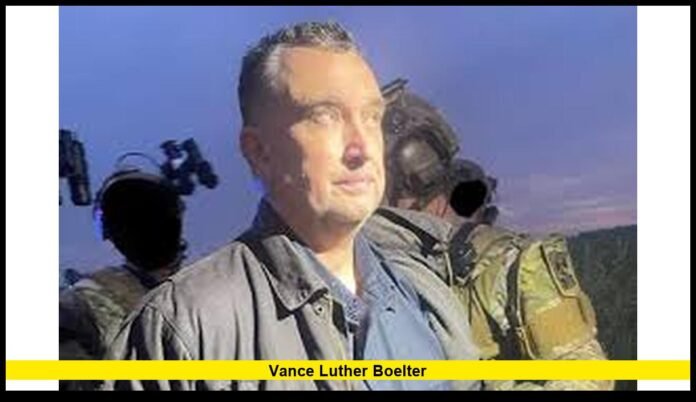

Vance Luther Boelter remains at the center of an ongoing criminal case that has reshaped conversations around public safety and political violence in the United States. The shootings that occurred in Minnesota in June 2025 continue to move through the judicial system, with federal and state courts handling complex proceedings that remain unresolved as of today.
The Events That Shook Minnesota
During the early morning hours of June 14, 2025, coordinated attacks took place at the homes of two Minnesota lawmakers. The incidents unfolded quietly at first, but the consequences quickly spread across the state.
State Senator John Hoffman and his wife, Yvette Hoffman, were shot at their residence and sustained serious injuries. Emergency responders arrived quickly, and both survived after intensive medical care. Not long after, Minnesota House Democratic Leader Melissa Hortman and her husband, Mark Hortman, were shot and killed inside their home.
The proximity in time and method of the attacks immediately signaled that the incidents were connected. Law enforcement agencies escalated their response, initiating emergency protocols and notifying public officials statewide.
Immediate Law Enforcement Response
Within hours of the shootings, authorities identified Vance Luther Boelter as the suspect. Investigators determined that the attacks were targeted rather than random, based on physical evidence and early investigative findings.
Officials confirmed that the suspect used deception to approach the homes, allowing him to bypass initial suspicion. This detail intensified concerns about public safety and the vulnerability of elected officials outside secure government buildings.
As the investigation unfolded, authorities recovered materials suggesting that additional individuals may have been considered as potential targets, prompting heightened security for numerous public figures.
A Statewide Search Operation
Following the identification of the suspect, Minnesota authorities launched a large-scale search operation. Residents in multiple counties were advised to remain alert as law enforcement conducted coordinated searches using ground units, air surveillance, and digital tracking tools.
Public buildings, schools, and government facilities implemented temporary security measures. The intensity of the search reflected the seriousness of the threat and the urgency to prevent further harm.
After nearly two days, officers located and arrested Boelter near Green Isle, Minnesota. He was taken into custody without additional injuries, bringing the manhunt to a close.
Charges at the Federal and State Levels
Prosecutors pursued charges in both federal and state courts, reflecting the gravity of the alleged crimes.
Federal Case Overview
Federal prosecutors filed multiple charges related to murder, attempted murder, stalking, and firearms offenses. These charges stem from allegations that the attacks were premeditated and directed at public officials.
The federal case carries the possibility of life-long imprisonment if convictions are secured. Prosecutors emphasized the importance of addressing crimes that threaten democratic institutions and public servants.
State Case Proceedings
Separately, Minnesota prosecutors filed first-degree premeditated murder charges along with attempted murder counts. State officials confirmed that the state case would proceed independently of the federal prosecution.
This dual-track approach ensures that the defendant faces accountability under both jurisdictions.
Court Appearances and Pleas
Later in 2025, Boelter appeared in federal court and entered a plea of not guilty. Judges imposed strict security measures during court proceedings due to the high-profile nature of the case and the safety concerns involved.
He remains in custody while awaiting further hearings. No trial date has been finalized, and both sides continue preparing for extended litigation.
Pretrial Activity and Evidence Review
The case has entered a lengthy pretrial phase marked by extensive evidence review. Defense teams are examining a large collection of materials that include digital data, forensic records, witness statements, and investigative documentation.
Because of the volume and complexity of the evidence, prosecutors requested that the case be classified as legally complex. This allows courts to adjust scheduling timelines to ensure adequate preparation.
Judges continue to oversee procedural matters, including discovery deadlines and pretrial motion schedules.
Confirmed Background Information
Records confirm that Vance Luther Boelter was born in 1967 and lived primarily in Minnesota and neighboring Midwestern states. His background includes attendance at a religious training institute in Texas during early adulthood.
His employment history involved work in food service management, funeral services, and self-described security-related roles. Investigators later determined that some claims regarding professional or military experience were not supported by documentation.
Authorities have stated that background details provide context but do not mitigate responsibility for the alleged crimes.
Impact on Victims and Survivors
The physical and emotional toll of the shootings remains significant.
John Hoffman underwent extensive medical treatment and rehabilitation before gradually resuming public duties. His recovery became a symbol of resilience for many within the state. Yvette Hoffman also faced a prolonged healing process following the attack.
The deaths of Melissa and Mark Hortman prompted memorials, legislative tributes, and public remembrance events. Their loss continues to resonate throughout Minnesota’s political community.
Response from the Political Community
Elected officials across Minnesota and the nation condemned the violence. Leaders from both major parties called for unity and respect for democratic processes.
The Minnesota Legislature reviewed security practices and approved measures to improve safety for lawmakers. These changes included enhanced risk assessments and expanded access to protective resources.
Public discussions focused on balancing accessibility to elected officials with the need for safety.
National Conversation on Public Safety
Beyond Minnesota, the case sparked national debate about the safety of public servants. Analysts highlighted the increasing risks faced by officials at all levels of government.
Key topics included:
- Protection of lawmakers outside government buildings
- Threat assessment and early warning signs
- The role of rhetoric in escalating tensions
- Law enforcement coordination across jurisdictions
The case became a reference point for broader discussions about preventing targeted violence.
Personal and Family Developments
Later in 2025, court filings confirmed that Boelter’s spouse filed for divorce. The matter was handled privately due to the circumstances surrounding the criminal case.
Authorities confirmed that no family members were involved in the attacks. Investigators stated clearly that no additional charges were filed against relatives and that responsibility rests solely with the defendant.
Officials urged the public to avoid speculation or harassment of individuals connected by family ties.
What Comes Next in the Legal Process
As proceedings continue, both federal and state courts remain focused on detailed pretrial preparation, which has become a central phase of the case. Defense teams are actively reviewing extensive discovery materials and are expected to file multiple motions related to evidence admissibility, investigative procedures, and constitutional considerations. These motions will likely shape which materials jurors are ultimately allowed to see.
Judges overseeing the case are working to establish structured timelines for expert witness disclosures, forensic testimony, and any additional evaluations deemed necessary for trial readiness. Court officials have emphasized the need for careful scheduling due to the volume of evidence, the number of victims involved, and the heightened security requirements associated with a high-profile case of this magnitude.
Trial scheduling decisions will depend largely on when discovery is fully completed and how courts rule on pending pretrial motions. Jury selection planning is also expected to require additional time and logistical coordination. Given the multiple jurisdictions involved and the complexity of the legal issues, court observers widely expect the trial phase to extend well into 2026, with continued hearings and rulings occurring throughout the year.
Why the Case Continues to Matter
The case involving Vance Luther Boelter remains one of the most significant criminal prosecutions involving state lawmakers in modern U.S. history, not only because of the loss of life, but because of what it reveals about the evolving risks faced by public officials. The targeted nature of the attacks highlighted vulnerabilities that exist beyond government buildings, particularly in private residences where lawmakers traditionally expect a degree of safety.
In response, state and local governments have taken measurable steps to reassess security planning, threat evaluation, and emergency response coordination. Minnesota officials have reviewed protective protocols for legislators, while national organizations representing elected officials have begun broader discussions about safety standards across states. These actions reflect a growing recognition that democratic access must be balanced with realistic security needs in an era of heightened political tension.
As court proceedings continue, the case also carries long-term importance for the justice system. Legal decisions made during pretrial and trial phases may influence how future cases involving targeted violence against public servants are charged, tried, and prosecuted. For many communities, the case has become a reference point for conversations about accountability, prevention, and the responsibility of institutions to protect those who serve in public office.
The ongoing legal process has kept public attention focused on the victims, survivors, and broader implications of the violence. Across Minnesota and beyond, communities continue to reflect on how civic engagement, public discourse, and public safety intersect, reinforcing the shared responsibility to uphold democratic values while rejecting violence in all forms.
How do you think cases like this should shape future protections for public officials? Share your thoughts and stay engaged as developments continue.