
CITIZENS BANK STUDENT LOANS continue into 2025 as a significant financial option for Americans seeking private funding for college, graduate school, or post-degree refinancing. In a population where education costs continue to increase each year, financial assistance has evolved into more than just a supporting option—it has become an essential tool for families managing college expenses. With flexible terms, digital accessibility, and various loan categories that cover academic journeys from freshman year through medical residency, the lending framework has become one of the widely discussed alternatives in the private borrowing landscape.
This redesigned and updated article explores every detail—how the loans work, current features, who qualifies, repayment choices, interest structure, digital changes, advantages, cautions, comparisons, and real-world borrower relevance in 2025.
Understanding How the Loans Operate in 2025
The structure of these private loans revolves around helping students pay for tuition, accommodation, meal plans, textbooks, and additional academic costs. Unlike federal funding, which follows government-regulated guidelines, private educational lending operates through credit-based approval. That means applicants with good credit or those applying with a financially strong co-applicant are more likely to secure better interest terms.
The lender sends funds directly to the financial aid department of the college. The borrower or parent does not receive money into their personal account for discretionary use; instead, it reduces billed tuition. When the semester fee is covered, any excess—if approved and permitted by the college—may be refunded to the student for educational necessities.
Interest begins accumulating once funds are disbursed, and depending on the structure chosen during application, students can start repayment immediately, pay interest only during school, or postpone all payments until after graduation. Each method changes the total projected cost of borrowing.
Loan Categories Available in 2025
This financial program is divided into several branches so borrowers can select the product that aligns with their academic level and needs. While the options are designed to appear simple, each carries individual benefits and long-term responsibilities. Exploring them carefully ensures students select the right path.
Undergraduate Education Funding
For many families, bachelor’s degree education becomes the first major financial commitment. The undergraduate category targets students enrolling in higher education, where college attendance costs continue to rise. This loan supports school bills for students pursuing humanities, science, business, engineering, and other undergraduate majors.
Most first-time borrowers have limited or no credit history, so they often apply with a co-applicant to raise approval chances and qualify for better rates. Parents frequently assume the co-role to assist their children. Once approved, the borrower may choose deferred payment while studying, an interest-only mode, or a partial-payment mode that reduces balance accumulation.
Undergraduate borrowers often choose deferment during early semesters; however, interest adds up during postponement, which means repayment afterward becomes higher. Students who choose to contribute small monthly payments early typically benefit with reduced final costs. The bank’s repayment dashboard also displays updated balance growth and interest accumulation for transparency.
Graduate School Funding
Graduate-level education often costs significantly more, especially in courses like law, business, physical sciences, or doctoral programs. This category covers advanced studies beyond bachelor’s degrees. Since graduate students are usually older and sometimes employed part-time or full-time, they may qualify without a co-applicant if their credit profile is strong.
Graduate students receive options similar to undergraduate borrowers, including full deferment or interest-only payment. Many mature learners use the interest-only strategy as it keeps accounts active while preventing significant interest accumulation. After completing the master’s or doctoral program, repayment automatically transitions into regular installments, subject to selected term duration.
Professional degrees such as MBA, JD, and STEM research typically require larger funding amounts. The bank accommodates these needs by allowing borrowing up to the program’s certified cost of attendance. Students also benefit from the ability to manage multiple disbursements across academic years through a single lender relationship instead of switching financing sources every semester.
Borrowing Program for Parents
Many parents prefer holding educational repayment responsibility rather than placing debt on students. A parent-focused loan exists for this purpose. When guardians choose this approach, students continue their academic journey without immediate debt, while parents manage repayments themselves.
The approval process examines the guardian’s financial status, debt history, and ability to repay. The student doesn’t contribute any credit-based qualification; approval rests entirely with the parent. Some families choose this structure to eliminate financial burden on the student until graduation or until they secure employment.
Parents can choose repayment schedules to begin immediately or after the student’s school years. However, selecting postponement means accumulated interest will increase the total cost later. Families considering multi-child college planning often compare whether using parent loans or sharing responsibility with the student creates the most balanced household financial outcome.
Refinance Program for Student Debt
Refinancing has become increasingly popular in recent years. Borrowers with multiple educational debts can combine them into one unified loan through refinancing. Rather than juggling several monthly payments at varied interest levels, refinancing merges and restructures repayment, usually with a fresh rate based on borrower credit standings.
Graduates apply after completing their degree and verifying active loan balances. Refinancing can potentially reduce monthly payments or total interest, depending on chosen term. Individuals with strong credit histories often aim to shorten loan duration to finish repayment faster and save on interest. Others extend terms to reduce monthly cost, improving cash flow.
It’s important to note that borrowers transitioning federal loans into a private refinance lose access to government relief benefits such as income-based repayment or forgiveness options available only under federal systems. Refinancing federal debt can still be beneficial for high-earning professionals who want better terms, but careful planning ensures long-term financial advantage.
This is also the section where the article uses the keyword phrase again to comply with usage requirements: Many graduates explore refinancing programs offered as part of Citizens Bank Student Loans, especially when consolidating multiple loan accounts into a single structured payment.
Special Program for Medical Residents
Medical school graduates enter residency with intensive work demands and moderate income, often coupled with a large debt burden. A medical-resident refinance structure supports this situation. Borrowers in residency pay a small monthly amount throughout the training period, keeping obligations manageable while workloads remain high.
Interest continues during residency, but small monthly payments prevent account dormancy and reduce the risk of compounding significantly. After the residency or fellowship concludes, borrowers transition into standard repayment with principal and interest included. This product suits medical students confident about future earning potential but currently balancing tight schedules, examinations, and late-hour hospital duties.
Interest Structure and How Rates Work
Private rates vary depending on term length, credit evaluation, and repayment style. Borrowers can select:
- A fixed structure, where the interest does not change for the entire loan period.
- A variable structure, where rates shift over time based on financial market fluctuations.
Fixed structures are popular for predictable budgeting, particularly for risk-averse borrowers. Variable structures sometimes begin lower than fixed, appealing to those who believe short-term fluctuations could offer savings. However, variable plans require comfort with the potential of increase later.
Repayment terms usually range from short duration options, which result in higher monthly installments but lower total overall cost, to long duration options that ease monthly burden but extend total interest paid. Borrowers often run simulations using online tools to compare outcomes before finalizing a decision.
Application and Eligibility Process
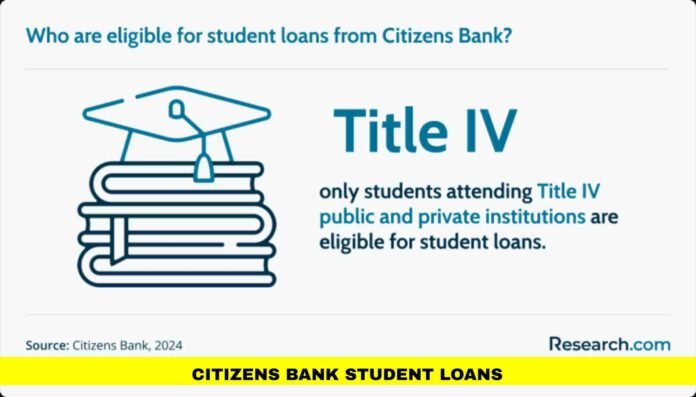
Applying begins with a quick preliminary rate check to estimate potential terms. This early stage usually does not impact the credit score. Once applicants proceed, the bank reviews credit reports, income statements, and financial stability to determine approval status. For students without sufficient credit strength, adding a co-applicant improves eligibility.
Borrowers submit academic enrollment details, identification documents, and any required financial information. When approved, the educational institute receives funds for tuition billing. Any remaining approved balance may be used for books or living expenses, depending on college policy.
Graduate refinancing requires proof of completed degree and debt documentation from previous lenders. After the new refinance loan activates, previous loan accounts are paid off by the new issuer, and the borrower continues making payments only to the refinance account.
Digital Experience and Customer Tools
Digital banking improvements have made loan servicing more accessible. Borrowers manage monthly installments, request statements, update contact information, and monitor interest through the online platform. Tools like payment schedulers, payoff calculators, and interest trackers offer clarity for first-time borrowers navigating long-term responsibility.
Mobile access allows borrowers to review their financial progress, track remaining balance, schedule automatic payments, and maintain on-time repayment. This helps avoid penalties and credit score impact. For many parents and graduate students, the convenience of monitoring financial obligations via smartphone simplifies debt management.
Advantages of Choosing This Lending Option
Several strengths contribute to demand:
Borrowers can use one institution for undergraduate, postgraduate, and refinance needs, creating continuity. A multi-year borrowing option allows students to request additional funds without restarting the process from scratch every academic year. No application or disbursement charges help reduce upfront financial pressure, especially during enrollment.
Autopay rate reductions and strong borrower credit can result in favorable terms. Digital access enables modern management by students comfortable with mobile services. Medical professionals appreciate residency payment flexibility, and graduate refinancing appeals to those seeking reduced long-term cost or simpler payment scheduling.
Points to Consider Before Borrowing
Borrowers should evaluate long-term responsibility carefully. Private educational debt lacks government-backed repayment support, forgiveness programs, or income-adjusted monthly payment guarantees. If a borrower later struggles financially, flexibility options may be more limited compared to federal plans.
Students postponing repayment until after graduation face increasing total cost because interest accumulates and capitalizes. Choosing a smaller payment during studies reduces future expense significantly. Co-applicants share legal responsibility for repayment. If the primary borrower defaults, the co-applicant must continue payments.
Understanding repayment, interest growth, and refinance implications protects borrowers from financial difficulty later in life. Planning repayment habits early prevents loans from becoming overwhelming when entering the workforce.
Who Should Consider These Loans?
Students pursuing university degrees but lacking enough federal aid often benefit. Families expecting strong future earnings may use private funding to accelerate academic opportunities. Graduate students in high-earning fields, such as business, law, and healthcare, frequently use refinancing to optimize financial planning.
Parents aiming to relieve students from debt responsibility may choose parent loans. Medical residents expecting salary jumps post-training often rely on specialized refinance plans. Borrowers who maintain strong credit, consistent income, and budgeting discipline often secure favorable interest terms and smooth repayment journeys.
Tips for Borrowers in 2025
Before signing, assess realistic repayment capacity. Compare fixed versus variable structures. Check repayment examples over time using calculators. Students should confirm if partial payments during school are affordable, as this lowers post-graduation shock.
Track loan balances frequently to avoid losing awareness of interest accumulation. Enrolling in automatic payments helps maintain payment credibility, prevents late fees, and can sometimes lower interest. Individuals planning refinancing should research long-term goals—whether lowering monthly payments or reducing total interest is the priority.
Graduates with strong earnings potential may opt for shorter repayment duration to finish faster, while those needing immediate financial breathing room may extend term length. Balanced planning prevents future debt stress.
Role in the 2025 U.S. Education Finance Landscape
With tuition rising nationwide, families depend more heavily on mixed financing models that include scholarships, grants, federal aid, work-study, and private borrowing. The presence of a multi-category private lending system adds flexibility to fill funding gaps that remain after federal packages.
As federal repayment reform discussions continue nationally, private lending maintains importance for those ineligible for federal programs or seeking alternative conditions. In particular, refinancing continues gaining attention from graduates aiming to improve budgeting simplicity or lower cumulative interest.
Final Thoughts
Education debt has become a defining factor for modern American students. A reliable financing structure supports opportunities that shape careers, earnings, and life stability. While borrowing must always be handled responsibly, financial products like these allow thousands of students each year to reach higher education goals, complete degrees, and enter the workforce equipped for success.
If you have questions, experiences, or views on private student finance in 2025, share your thoughts below and stay informed with future updates.