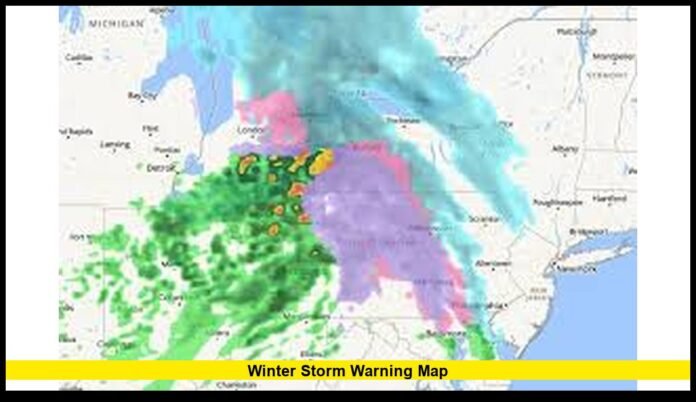

The winter storm warning map today highlights a broad and intensifying stretch of winter weather affecting millions across the United States, with snow, ice, and dangerous travel conditions remaining a daily concern. As multiple systems continue to move through the country, the map reflects active warnings and advisories that underscore how widespread and disruptive the current winter pattern has become.
From densely populated metropolitan areas to rural communities, winter weather hazards are shaping daily routines, travel plans, and emergency preparedness efforts. The map provides a clear visual snapshot of where conditions are most severe and where caution is required as winter maintains a firm grip on much of the nation.
National Overview of Current Winter Storm Activity
The winter storm warning map presents a nationwide view of ongoing winter hazards. Large sections of the Northeast, Great Lakes, and parts of the Midwest remain under active alerts, while surrounding regions are monitored closely for changing conditions.
Current weather impacts shown on the map include:
- Steady to heavy snowfall in colder zones
- Mixed precipitation in transition areas
- Freezing rain creating widespread ice concerns
- Strong winds worsening visibility and snow accumulation
The combination of these elements has led to challenging conditions that require careful planning and awareness.
Northeast Remains a Core Impact Zone
The Northeast continues to stand out prominently on the winter storm warning map. Snowfall has affected both coastal cities and inland communities, with varying accumulation depending on elevation and proximity to storm tracks.
Snow, Ice, and Commuter Challenges
In many parts of the region, snow has fallen steadily over long periods, allowing accumulation to build gradually. Areas closer to temperature boundaries have experienced sleet and freezing rain, increasing the risk of icy surfaces.
Residents face:
- Slower and more hazardous commutes
- Snow-packed local roads
- Ice forming on sidewalks and driveways
- Reduced visibility during heavier bursts
Urban centers have seen congestion, while rural areas continue to manage limited access and slower snow removal.
Great Lakes Region Under Persistent Winter Alerts
Across the Great Lakes, the winter storm warning map shows continued winter weather concerns driven by cold air interacting with open water. This setup enhances snowfall and prolongs impacts.
Lake-Enhanced Snow Effects
Lake-enhanced snow often develops in narrow bands, leading to sharp contrasts in conditions over short distances. Some communities experience heavy snow while nearby areas see lighter impacts.
Key challenges include:
- Sudden whiteout conditions
- Rapid snow accumulation on highways
- Dangerous wind chills during overnight hours
Drivers and emergency crews must remain alert as conditions can change quickly.
Midwest and Central States Facing Mixed Winter Hazards
Parts of the Midwest and central United States remain under winter storm warnings and advisories as weather systems progress eastward.
Ice as a Major Risk Factor
In many locations, ice has proven to be a greater threat than snow. Thin layers of freezing rain can create widespread danger even without heavy accumulation.
Common concerns include:
- Slick bridges and overpasses
- Increased vehicle accidents
- Downed branches due to ice weight
These hazards often persist even after precipitation ends, extending the period of risk.
How to Read the Winter Storm Warning Map
The winter storm warning map uses distinct visual elements to communicate risk levels clearly and efficiently.
Key Alert Categories
- Winter Storm Warning: Severe winter conditions expected or occurring
- Winter Weather Advisory: Hazardous conditions that require caution
- Ice-Focused Alerts: Areas vulnerable to freezing rain impacts
- Snowfall Overlays: Estimated accumulation ranges
Understanding these categories helps residents interpret the severity of conditions in their area.
Why Winter Storm Warnings Are Issued
Winter storm warnings appear when weather conditions are expected to significantly affect safety and daily life. These alerts are not issued lightly and indicate a high level of concern.
Warnings are based on factors such as:
- Heavy snow reducing visibility and traction
- Ice accumulation threatening roads and utilities
- Strong winds intensifying snowfall impacts
- Prolonged cold increasing exposure risks
When warnings appear on the map, immediate preparation is strongly advised.
Travel Disruptions Reflected on the Map
Transportation challenges are one of the most visible effects of winter storms. The winter storm warning map often aligns closely with major disruptions.
Roadway Impacts
- Snow-covered highways
- Delayed snow removal on secondary roads
- Higher accident rates during peak travel times
Air Travel Effects
- Runway and taxiway ice
- Deicing delays
- Schedule disruptions at major airports
Travelers are encouraged to consider alternate plans when routes fall within warning areas.
Power and Infrastructure Concerns During Winter Storms
Ice and wind play a major role in infrastructure stress. The winter storm warning map frequently highlights regions where these risks overlap.
Potential Infrastructure Issues
- Power line damage from ice buildup
- Fallen trees blocking roads
- Slower repair efforts during severe conditions
Utility providers often prepare crews in advance, but restoration may take time in widespread events.
Community and Emergency Response Planning
Local governments rely heavily on the winter storm warning map to guide response strategies.
How Communities Use the Map
- Deploying snow removal equipment
- Coordinating emergency services
- Issuing public safety messages
- Planning shelter and warming resources
This coordination helps reduce confusion and improve safety outcomes.
Household Preparedness in Warning Areas
Residents within winter storm warning zones benefit from early preparation.
Practical Preparation Steps
- Keep vehicles winter-ready with full fuel tanks
- Stock essential supplies for several days
- Ensure access to medications and heating
- Charge electronic devices before storms peak
Preparation minimizes risk and stress during severe weather.
Why Winter Conditions Can Shift Rapidly
The winter storm warning map often updates multiple times in a single day due to small atmospheric changes.
Key Drivers of Change
- Slight temperature shifts near the surface
- Changes in storm speed or direction
- Wind variations affecting snow intensity
A rain-to-ice transition can occur quickly, increasing hazards with little notice.
Urban and Rural Impacts Differ Across the Map
Although the map shows alerts uniformly, impacts vary depending on location.
Urban Areas
- Heavy traffic congestion
- Public transit delays
- Increased pedestrian hazards
Rural Areas
- Limited alternate routes
- Slower emergency response times
- Extended power restoration periods
Understanding these differences helps residents assess local risk more accurately.
Schools, Workplaces, and Safety Decisions
Educational institutions and employers frequently rely on the winter storm warning map when determining closures or schedule changes.
Common responses include:
- Delayed openings
- Remote operations
- Temporary shutdowns
Clear communication helps families and workers plan safely.
How Long Winter Storm Warnings Typically Last
The duration of warnings depends on storm strength and movement. Some warnings last several hours, while others extend beyond a full day.
Warnings may be:
- Extended if conditions worsen
- Downgraded as storms weaken
- Lifted early if impacts decrease
Monitoring alerts remains important until conditions fully improve.
Technology Behind the Winter Storm Warning Map
Modern weather mapping relies on advanced technology to improve accuracy and timeliness.
Core Data Sources
- Radar imagery tracking precipitation
- Satellite observations of cloud patterns
- Surface measurements of temperature and wind
This combination allows for precise updates and location-specific alerts.
Lingering Risks After the Storm Passes
Hazards often remain even after snowfall ends.
Post-Storm Concerns
- Refreezing roads overnight
- Snowbanks reducing visibility
- Delayed cleanup in hard-hit areas
The winter storm warning map can still provide valuable context during recovery phases.
Economic and Daily Life Impacts of Winter Storms
Winter weather affects more than travel and power.
Broader Effects Include
- Missed work and school days
- Delayed deliveries and services
- Increased costs for cleanup and repairs
Accurate warnings help reduce these disruptions.
Seasonal Importance of the Winter Storm Warning Map
As winter continues, the frequency of alerts often increases. The map serves as a daily reference point during active weather patterns.
Residents are encouraged to:
- Maintain winter emergency kits
- Monitor alerts regularly
- Adjust routines during severe conditions
Consistent awareness improves safety throughout the season.
Why the Winter Storm Warning Map Remains Essential
The winter storm warning map offers a clear, accessible way to understand complex weather threats. It supports informed decisions at every level, from individual households to regional emergency planning.
By visualizing hazards in real time, the map helps reduce risk and improve preparedness during challenging winter weather.
Looking Ahead Through the Winter Season
Additional winter storms remain possible as colder months continue. The winter storm warning map will remain a central tool for tracking alerts, anticipating impacts, and planning ahead.
Staying informed and prepared remains the best defense against severe winter weather.
Keep checking the winter storm warning map as conditions evolve, and share how winter weather is affecting your area to help others stay prepared.