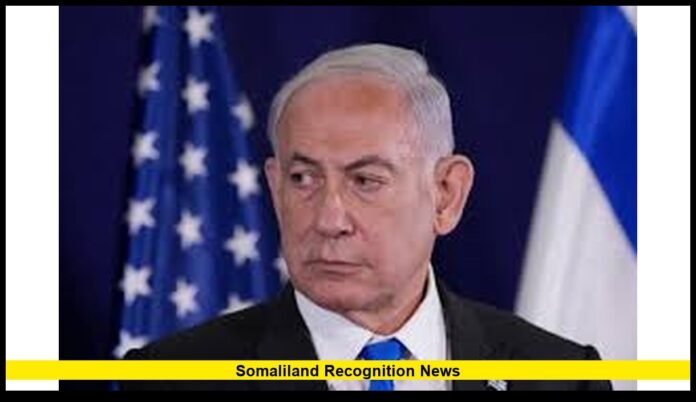

In the latest somaliland recognition news, the Republic of Somaliland has reached a historic diplomatic milestone after Israel formally recognized it as an independent and sovereign state, ending more than three decades without international recognition. This development, confirmed in late December 2025, marks a turning point in global discussions about Somaliland’s political status and has far-reaching implications for regional stability, U.S. foreign policy interests, and international diplomacy.
The recognition has reignited global attention on Somaliland’s long-standing quest for legitimacy and placed the Horn of Africa back at the center of geopolitical debate.
A Defining Moment in Somaliland Recognition News
Somaliland’s leadership announced the recognition following a formal diplomatic declaration exchanged between officials in Hargeisa and Jerusalem. The agreement establishes official diplomatic relations and outlines cooperation in several key sectors, signaling a move beyond symbolic acknowledgment toward active state-to-state engagement.
For Somaliland, this moment represents validation of decades of self-governance, political stability, and institutional development. For Israel, the recognition reflects strategic outreach to a stable partner in a geopolitically sensitive region.
This announcement stands as the most consequential update in somaliland recognition news since the territory declared independence in 1991.
Somaliland’s Political Journey Since 1991
Somaliland separated from Somalia after the collapse of Somalia’s central government and years of internal conflict. While Somalia descended into prolonged instability, Somaliland took a different path.
Over the past three decades, Somaliland has:
- Built functioning democratic institutions
- Conducted multiple peaceful elections
- Maintained its own security forces
- Established an independent judiciary
- Issued its own currency
Despite these accomplishments, international recognition remained elusive due to global adherence to Somalia’s territorial integrity. Somaliland operated as a de facto state but lacked de jure recognition, limiting its access to international finance, treaties, and formal diplomatic platforms.
The latest somaliland recognition news changes that long-standing reality for the first time.
Why Recognition Changes Everything
Recognition is not merely symbolic. It carries tangible consequences that reshape Somaliland’s position in the world.
International Legitimacy
With formal recognition, Somaliland now enters diplomatic relations as a recognized sovereign entity. This allows it to negotiate agreements, exchange ambassadors, and participate in bilateral frameworks on equal footing.
Economic Opportunities
Recognition increases confidence among foreign investors and development partners. It may unlock new trade arrangements, infrastructure investment, and access to international financial mechanisms previously unavailable.
Political Stability
Domestically, recognition strengthens public trust in government institutions. It validates Somaliland’s long-standing strategy of peaceful diplomacy rather than force.
These shifts underscore why somaliland recognition news is drawing intense global attention.
Strategic Importance of Somaliland
Somaliland’s geographic location has always played a central role in international interest.
Positioned along the Gulf of Aden near the entrance to the Red Sea, Somaliland lies adjacent to one of the world’s busiest maritime corridors. This route is critical for global commerce, energy transport, and naval operations.
Key strategic factors include:
- Proximity to major shipping lanes
- Access to ports connecting Africa, the Middle East, and Asia
- A relatively stable political and security environment
For global powers, engagement with Somaliland offers strategic advantages tied to maritime security, counterterrorism efforts, and regional influence.
Regional Reactions and Diplomatic Tensions
The recognition triggered immediate reactions across the Horn of Africa and beyond.
Somaliland’s government hailed the announcement as a diplomatic victory and a signal that peaceful self-determination can succeed. Public celebrations in Hargeisa reflected widespread optimism and national pride.
In contrast, Somalia’s federal government strongly rejected the move, reiterating claims over Somaliland’s territory. Officials warned that recognition could destabilize regional relations and undermine international norms.
Other regional actors expressed concern that recognition could encourage separatist movements elsewhere. These reactions reveal the complex diplomatic terrain surrounding somaliland recognition news.
United States Perspective
As of now, the United States has not recognized Somaliland as an independent nation. U.S. policy continues to support Somalia’s territorial unity.
However, the recognition has intensified discussion in Washington. Lawmakers, analysts, and policy experts are increasingly debating Somaliland’s strategic value, governance record, and potential role as a regional partner.
Several factors driving U.S. interest include:
- Somaliland’s security cooperation track record
- Its democratic governance compared to regional norms
- Its strategic location near vital shipping routes
While no formal policy change has occurred, the latest somaliland recognition news has clearly elevated Somaliland’s profile in U.S. foreign policy circles.
Implications for the Horn of Africa
Recognition introduces new dynamics into an already complex region.
Somaliland’s status could influence:
- Regional trade networks
- Security coordination across the Horn
- Diplomatic relations among neighboring states
Regional organizations may face renewed pressure to address Somaliland’s claims through dialogue and negotiated frameworks.
At the same time, Somaliland’s leadership has reiterated commitment to peaceful engagement and regional cooperation, emphasizing stability rather than confrontation.
Domestic Impact Inside Somaliland
Within Somaliland, recognition has had immediate social and political effects.
Public Sentiment
Citizens view the recognition as a collective achievement earned through decades of patience and peaceful governance. The announcement has strengthened national identity and unity.
Economic Expectations
Local businesses and entrepreneurs anticipate increased foreign interest and economic activity. Recognition may accelerate infrastructure projects, trade expansion, and employment opportunities.
Governance Confidence
The government’s diplomatic success reinforces confidence in existing institutions and democratic processes.
These domestic shifts highlight how somaliland recognition news resonates far beyond international headlines.
Global Diplomatic Implications
Recognition by one nation does not automatically lead to universal acceptance. However, it establishes a precedent that other countries may consider.
Diplomatic observers are watching closely to see whether additional states follow suit or pursue alternative engagement models, such as enhanced partnerships without formal recognition.
For Somaliland, the recognition strengthens its negotiating position and amplifies its voice in international discussions.
Challenges That Remain
Despite the breakthrough, challenges persist.
Somaliland must navigate:
- Continued opposition from Somalia
- Skepticism among some international actors
- The need to maintain internal political cohesion
- Expectations for economic growth following recognition
Managing these challenges will be critical to sustaining momentum generated by the latest somaliland recognition news.
What Comes Next
The months ahead will shape the future trajectory of Somaliland’s international standing.
Key developments to watch include:
- Shifts in U.S. engagement
- Responses from African and European governments
- Expansion of diplomatic and economic partnerships
- Regional dialogue initiatives
Each step will contribute to the evolving narrative surrounding somaliland recognition news.
Why This Matters to a U.S. Audience
For American readers, Somaliland’s recognition intersects with broader themes in foreign policy and global security.
It raises questions about:
- How the U.S. approaches self-determination movements
- Balancing stability with democratic values
- Strategic competition in critical maritime regions
Understanding these dynamics helps place somaliland recognition news within the larger context of global affairs.
A Turning Point With Global Consequences
Somaliland’s recognition represents more than a diplomatic announcement. It reflects years of institution-building, political restraint, and strategic patience.
Whether this recognition leads to broader international acceptance remains to be seen. What is clear is that Somaliland has entered a new phase in its history — one defined by increased visibility, higher expectations, and deeper global engagement.
What are your thoughts on this major development? Share your perspective and continue following updates as somaliland recognition news evolves.