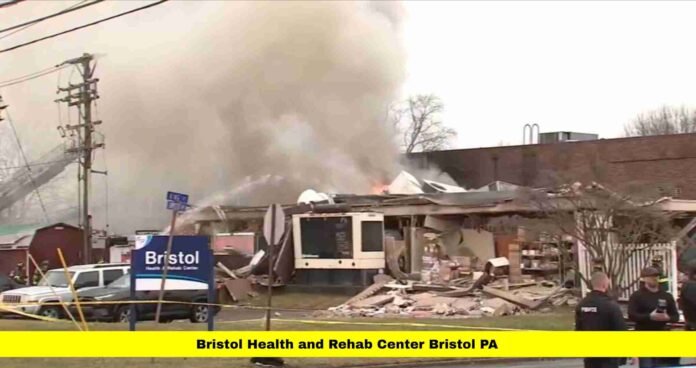

Bristol Health and Rehab Center Bristol PA entered the national spotlight after a sudden and devastating emergency that unfolded within the skilled nursing facility in Bristol Township, Pennsylvania. The incident triggered a massive response from emergency crews, displaced residents, and set in motion multiple investigations that remain active. This in-depth report provides a detailed, factual, and current account of what is known, how events unfolded, and why the situation has drawn such intense public attention.
How the Emergency Unfolded
The incident began during a routine afternoon at the nursing and rehabilitation facility. Residents were inside their rooms and common areas, staff were carrying out daily care duties, and operations appeared normal. That calm was broken when concerns arose about a strong gas odor inside the building. The odor prompted immediate attention, as gas-related issues inside healthcare facilities are treated with urgency due to the vulnerability of residents and the enclosed environment.
Shortly after the odor was detected, a powerful explosion occurred within the structure. The blast was strong enough to cause visible damage to parts of the building and ignite a fire. Thick smoke quickly spread through corridors and rooms, limiting visibility and creating dangerous breathing conditions. Within moments, the situation escalated from a maintenance concern to a full-scale emergency.
Structural Damage and Fire Impact
The force of the explosion caused sections of the building to collapse inward, particularly in lower-level areas. Portions of the structure gave way, leaving debris scattered across interior spaces. Fire intensified the damage, charring walls, ceilings, and support elements. The combination of fire, smoke, and compromised structural integrity made navigation inside the facility extremely hazardous.
Emergency officials restricted access to unstable areas as crews assessed the risk of further collapse. Engineers were brought in to evaluate whether remaining sections could be safely entered for rescue and recovery operations. The damage was not limited to a single room, as shockwaves and fire spread affected multiple parts of the facility.
Immediate Evacuation Efforts
Evacuating a skilled nursing facility presents unique challenges. Many residents require assistance to move, rely on medical equipment, or have limited mobility. When the explosion occurred, staff and first responders acted quickly to remove residents from danger.
Residents were evacuated using wheelchairs, stretchers, and assisted walking when possible. Some were guided through smoke-filled hallways, while others were moved through alternative exits to avoid damaged areas. Emergency medical teams established triage zones outside the building to assess injuries and prioritize hospital transport.
The evacuation continued for hours as responders worked methodically to ensure no one remained inside affected sections of the facility.
Confirmed Loss of Life and Injuries
The explosion and resulting fire led to confirmed fatalities. In addition to those lives lost, multiple individuals suffered injuries ranging from smoke inhalation to trauma caused by falling debris. Injured residents and staff were transported to nearby hospitals for treatment, while others received on-site medical care before relocation.
Officials exercised caution when releasing information, prioritizing family notifications and accurate accounting. The emotional toll on families and caregivers was immediate, as loved ones waited for confirmation of safety and location.
Emergency Response Scale and Coordination
The response to the incident involved a large number of emergency personnel. Firefighters, emergency medical services, law enforcement, and specialized rescue units converged on the scene within minutes. Mutual aid agreements allowed additional departments to assist, bringing extra equipment and manpower.
Rescue teams worked under intense conditions, balancing the urgency of locating trapped individuals with the need to protect responders from secondary hazards. Gas monitoring, fire suppression, and structural assessment occurred simultaneously, requiring close coordination among agencies.
Temporary command centers were established to manage operations, track evacuated residents, and communicate updates to families and the public.
Facility Profile and Role in the Community
The nursing and rehabilitation center serves as a long-term and post-acute care facility for older adults and individuals recovering from illness or injury. It provides around-the-clock nursing care, therapy services, and assistance with daily living activities. Many residents depend on the facility for stability, routine, and medical oversight.
Facilities of this type play a critical role in the healthcare system, particularly for individuals transitioning from hospitals or requiring extended care. Any disruption to operations can have wide-reaching effects on residents, families, and local healthcare networks.
Recent Administrative Transition
Prior to the incident, the facility underwent a change in ownership and management, along with a name update. Such transitions are not uncommon in long-term care, but they often involve operational adjustments, policy updates, and staff restructuring. During these periods, facilities remain subject to licensing requirements and regulatory oversight.
At the time of the incident, the center was operating under its new administrative structure while continuing to care for residents under existing state approvals.
Regulatory Oversight and Safety Reviews
Like all licensed nursing facilities in Pennsylvania, the center is subject to regular inspections. These reviews evaluate resident care, staffing, infection control, and safety systems. Recent inspection records identified certain safety-related deficiencies, including issues connected to fire preparedness and emergency documentation.
Facilities are typically given deadlines to correct such deficiencies and must demonstrate compliance. Whether these findings had any direct connection to the explosion remains under investigation. Regulatory agencies are reviewing inspection histories alongside physical evidence from the site.
Investigation Into the Cause
Determining the cause of the explosion is a complex process. Investigators are examining utility systems, maintenance records, and witness accounts. Gas-related factors are a central focus, given the odor reported before the blast, but no final determination has been made.
Investigators are also analyzing whether equipment failures, infrastructure issues, or other contributing factors played a role. The goal of the investigation is not only to establish responsibility but also to identify measures that could prevent similar incidents in the future.
State and Local Leadership Response
State and local officials responded publicly, describing the incident as a serious and heartbreaking event. Leadership emphasized the importance of protecting vulnerable populations and supporting first responders who worked under dangerous conditions.
Emergency declarations enabled additional resources to be deployed, including specialized rescue teams and technical experts. Officials pledged transparency throughout the investigation and committed to holding responsible parties accountable once findings are complete.
Displacement and Resident Relocation
After the evacuation, displaced residents were transferred to hospitals, partner facilities, or alternative care settings depending on medical needs. Coordinating these relocations required collaboration among healthcare providers, social services, and families.
Relocation can be especially stressful for elderly residents, many of whom rely on familiar environments and caregivers. Support services were mobilized to help residents adjust and to assist families navigating temporary or permanent placement decisions.
Emotional Impact on Families and Staff
Beyond the physical damage, the incident left a deep emotional impact. Families experienced fear and uncertainty while waiting for updates. Staff members, many of whom have long-standing relationships with residents, faced trauma from the sudden loss and chaos.
Counseling and mental health resources were offered to residents, families, and employees to address the psychological aftermath. Community organizations also stepped in to provide assistance and comfort.
Community Reaction and Public Concern
The surrounding community reacted with shock and concern. Residents of nearby neighborhoods reported hearing the explosion and seeing smoke rise from the area. Local leaders expressed gratitude to first responders and solidarity with affected families.
The incident has prompted broader discussions about safety standards in long-term care facilities, emergency preparedness, and infrastructure maintenance. Public interest remains high as investigations continue.
Future of the Facility
The future of the damaged building remains uncertain. Structural assessments will determine whether repairs are possible or if demolition is required. Decisions about reopening, rebuilding, or permanently closing the facility will depend on safety findings, regulatory approvals, and ownership plans.
Any future operations would require extensive inspections and assurances that conditions meet all safety requirements before residents could return.
Broader Implications for Long-Term Care Safety
Events like this highlight the importance of rigorous safety oversight in facilities that house vulnerable populations. Emergency planning, infrastructure maintenance, and rapid response protocols are critical components of resident protection.
Regulatory agencies may review existing standards and enforcement practices in light of the incident. Industry-wide discussions are expected to focus on preventing similar emergencies and improving response capabilities.
What Comes Next
In the weeks ahead, investigators will finalize their findings and release official conclusions. Regulatory reviews will determine whether enforcement actions or policy changes are necessary. Families will continue making decisions about long-term care arrangements, while the community awaits clarity on accountability and prevention.
The incident serves as a stark reminder of how quickly routine operations can turn into crisis, especially in environments where safety margins must be uncompromising.
This story continues to develop, and readers are encouraged to stay informed and share their thoughts as new verified updates emerge.