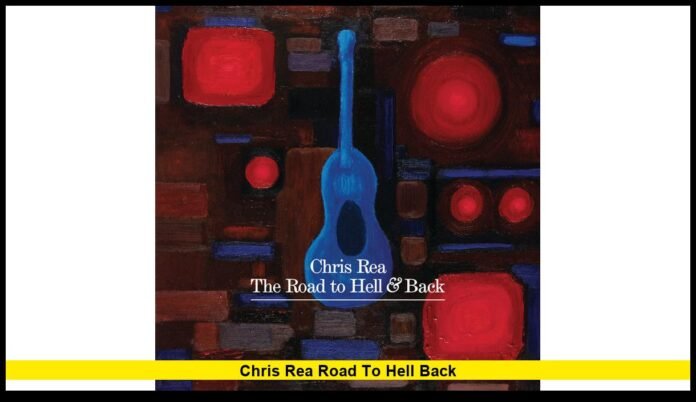

Chris Rea Road to Hell remains one of the most recognizable and enduring rock tracks of the late twentieth century, continuing to attract attention from music fans in the United States and beyond. First released in 1989, the song has gained renewed relevance in recent years as listeners revisit its themes of frustration, routine, and modern pressure, finding them just as relatable today as when the track first appeared.
Decades after its debut, the song continues to hold a firm place in classic rock culture, radio programming, and digital streaming libraries, reinforcing its status as one of Chris Rea’s defining works.
The Background of a Landmark Song
“The Road to Hell” was released as the title track of Chris Rea’s tenth studio album in 1989. At the time, Rea was already an established artist with a loyal following, but this release marked a turning point in his career. The album became his most commercially successful project, helping solidify his reputation as a serious songwriter with a distinctive voice and musical identity.
The song emerged from Rea’s observations of everyday life, particularly the emotional toll of repetitive routines and long commutes. Rather than telling a literal story, the lyrics create a broader reflection on social pressure, disillusionment, and the feeling of being trapped in systems beyond individual control.
Musical Style and Sound
Musically, “The Road to Hell” blends rock with strong blues influences. The track is driven by a steady rhythm, atmospheric synthesizers, and Chris Rea’s signature slide guitar work. His gravel-toned vocals add weight to the lyrics, giving the song a weary but reflective tone.
The structure of the song allows it to build gradually, drawing listeners into its mood rather than relying on a sudden hook. This approach helped distinguish it from many radio-focused tracks of the era and contributed to its long-term appeal.
Why the Song Connected With So Many Listeners
One of the reasons the song continues to resonate is its universal message. The lyrics avoid specific dates or events, focusing instead on emotions that many people experience at different stages of life.
Listeners often connect with themes such as:
- Feeling stuck in daily routines
- The emotional strain of work and responsibility
- A sense of disconnect from progress and success
- Quiet frustration with modern systems
These ideas remain relevant today, which helps explain why the song still attracts new audiences decades later.
Chris Rea’s Career at the Time of Release
By 1989, Chris Rea had already spent years developing his craft. He began his recording career in the late 1970s and gradually built recognition through consistent releases and touring. Earlier songs introduced his vocal style and songwriting approach, but “The Road to Hell” marked a moment when everything aligned.
The album’s success elevated Rea’s standing in the music industry and expanded his reach beyond his core fan base. It also confirmed his ability to combine commercial appeal with thoughtful storytelling.
Reception in the United States
While Chris Rea’s strongest commercial success occurred in the United Kingdom and Europe, “The Road to Hell” found a lasting audience in the United States through classic rock radio and adult contemporary formats. Over time, American listeners embraced the song for its atmosphere and emotional depth rather than chart placement.
The track became especially popular among listeners who valued storytelling and musicianship over trends, helping it earn a steady place in long-running playlists.
The Album’s Lasting Reputation
The album The Road to Hell is widely regarded as a high point in Rea’s catalog. It offered a cohesive listening experience, with songs that explored similar emotional and social themes. Rather than relying on a single hit, the album presented a complete artistic statement.
This consistency helped the album age well, allowing listeners to revisit it as a whole rather than focusing on isolated tracks.
Chris Rea’s Distinctive Artistic Identity
Chris Rea has always stood apart from mainstream rock stars. His work favors subtlety, atmosphere, and emotional honesty over spectacle. That approach is clearly evident in “The Road to Hell,” where restraint plays a major role in the song’s impact.
His slide guitar style, in particular, became a defining feature of his sound. Rather than showcasing technical complexity, his playing emphasizes tone and feeling, reinforcing the song’s reflective mood.
Why the Song Still Feels Relevant Today
Modern listeners often discover the song through streaming platforms, curated playlists, or recommendations tied to classic rock and blues. Many are surprised by how closely the lyrics align with current conversations about stress, burnout, and dissatisfaction with routine.
Later in the discussion of the song’s relevance, Chris Rea Road to Hell is frequently cited as an example of music that speaks across generations without needing reinterpretation.
The song does not rely on nostalgia alone. Its message feels current because the conditions it describes have not disappeared.
Cultural Presence Over Time
“The Road to Hell” has maintained visibility through consistent radio play, live performance recordings, and fan discussions. It often appears in lists of influential rock songs from the late 1980s, praised for its balance of accessibility and depth.
The track’s continued presence in popular culture reinforces its status as more than a passing hit. It has become part of the broader language of classic rock.
Chris Rea’s Broader Musical Legacy
Beyond this one song, Chris Rea’s career spans decades of songwriting and recording. He has released numerous albums and explored a wide range of styles, always maintaining a clear artistic voice.
While some songs gained more commercial attention than others, his work consistently reflected personal experience and emotional honesty. “The Road to Hell” stands as a clear example of that approach at its strongest.
How New Audiences Discover the Song
Younger listeners often encounter the song through recommendations, movie soundtracks, or shared playlists. Many describe discovering it unexpectedly and being drawn in by its mood rather than familiarity.
This organic discovery process has helped the song remain relevant without heavy promotion, allowing it to grow naturally with each new generation of listeners.
The Song’s Place in Rock History
Within the broader history of rock music, “The Road to Hell” occupies a unique position. It bridges blues traditions with modern rock production, offering commentary without preaching and emotion without excess.
Music historians often highlight it as an example of how songwriting can address societal themes while remaining deeply personal.
Why the Song Endures
Longevity in music is rare, but “The Road to Hell” has achieved it through honesty, strong musicianship, and emotional clarity. The song does not depend on trends, which allows it to feel timeless.
Listeners continue to return to it during moments of reflection, making it a personal soundtrack for many.
Chris Rea’s “The Road to Hell” continues to invite listeners to pause, reflect, and connect — and its enduring relevance proves that powerful songwriting never loses its way.