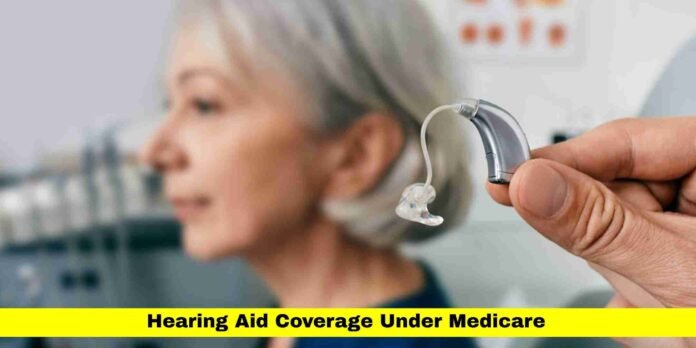

Does Medicare cover hearing aids is one of the most common questions among older adults as hearing loss becomes more common with age. As of today, Medicare’s core coverage rules remain unchanged, but access options continue to evolve through private plans, retail changes, and expanded hearing-related services. Understanding what is and is not covered can help beneficiaries avoid unexpected costs and plan more effectively.
This article provides a clear, current breakdown of how hearing care works under Medicare in the United States and what realistic options are available now.
Why Hearing Coverage Is a Growing Concern
Hearing loss affects millions of Americans, especially those over age 65. It can impact communication, safety, mental health, and overall quality of life. Despite this, hearing aids remain expensive, often costing thousands of dollars per pair.
As healthcare costs rise, beneficiaries increasingly look to Medicare for relief. However, coverage rules around hearing services remain limited, making clarity essential.
How Original Medicare Handles Hearing Care
Original Medicare includes Part A and Part B. Together, these parts form the foundation of coverage for most beneficiaries.
Under current rules, Original Medicare does not pay for hearing aids or fittings. This exclusion has been consistent for years and remains in effect today.
What Part B Does Cover
While hearing aids themselves are excluded, Part B does provide limited hearing-related benefits. It covers diagnostic hearing and balance exams when ordered by a doctor to determine a medical condition.
These exams must be medically necessary. Routine hearing tests for the purpose of buying hearing aids are not covered.
Why Hearing Aids Are Excluded
Medicare was created decades ago, at a time when hearing aids were considered consumer devices rather than essential medical equipment. That classification still influences coverage today.
Although advocacy efforts continue, no permanent expansion has been enacted to include hearing aids under Original Medicare.
Out-of-Pocket Costs Under Original Coverage
Because hearing aids are excluded, beneficiaries typically pay the full cost. This includes the device, fitting, follow-up visits, and maintenance.
Costs vary widely based on technology level and provider, but expenses can be significant for those on fixed incomes.
Medicare Advantage Plans and Hearing Benefits
Many beneficiaries turn to Medicare Advantage plans for broader benefits. These plans are offered by private insurers and must meet federal standards, but they can include extras.
Some Advantage plans offer hearing benefits, which may include partial or full allowances for devices, exams, or both.
How Advantage Hearing Benefits Usually Work
Hearing benefits in these plans are not uniform. Coverage often comes with limits, networks, and specific conditions.
Plans may provide a set dollar allowance per year or per device. Others include access to certain brands or models only.
Important Limitations to Understand
Even when hearing benefits are included, they may not cover premium devices. There may be caps, waiting periods, or required providers.
Beneficiaries should review plan details carefully during enrollment periods to avoid surprises.
Routine Hearing Exams and Advantage Plans
Many Advantage plans include routine hearing exams as part of their extra benefits. This is a key difference from Original Medicare.
These exams help detect hearing loss earlier, even if device coverage remains limited.
Over-the-Counter Hearing Aids and Medicare
Recent changes in federal regulations have expanded access to over-the-counter hearing aids for adults with mild to moderate hearing loss.
These devices are sold without prescriptions and at lower prices, but Medicare does not reimburse for them under Original coverage.
Why Over-the-Counter Options Matter
Although not covered, over-the-counter devices have lowered barriers to entry. Many beneficiaries now explore these options due to affordability and convenience.
They can be a practical alternative for those without Advantage coverage.
Medicaid and Dual Eligibility Considerations
Some Medicare beneficiaries also qualify for Medicaid. In certain states, Medicaid programs provide hearing aid coverage.
Eligibility and benefits vary by state, making local rules important for dual-eligible individuals.
Veterans and Hearing Benefits
Veterans enrolled in Veterans Affairs healthcare may have access to hearing aids through that system, independent of Medicare.
This coverage depends on eligibility and service-related factors.
Hearing Health and Overall Wellness
Untreated hearing loss has been linked to social isolation, cognitive decline, and increased fall risk. Access to hearing care affects more than just communication.
This connection has fueled ongoing discussions about expanding coverage in the future.
Legislative Attention and Public Debate
Hearing coverage continues to be discussed in policy circles. Proposals have surfaced in recent years, but no permanent change has been enacted.
For now, beneficiaries must rely on existing structures and private plan options.
Choosing Between Original Medicare and Advantage
The decision often comes down to priorities. Those who value broader supplemental benefits may consider Advantage plans.
Others prefer Original coverage paired with separate solutions for hearing needs.
Enrollment Periods and Timing Matters
Hearing benefits under Advantage plans can only be changed during specific enrollment windows.
Reviewing options annually is important, as plan benefits and networks can change from year to year.
Common Misunderstandings About Coverage
Many beneficiaries assume hearing aids are covered because exams sometimes are. This misunderstanding can lead to unexpected bills.
Clear awareness of exclusions helps prevent frustration and financial strain.
Tips for Managing Hearing Costs
Some beneficiaries compare providers, explore payment plans, or look for community assistance programs.
Local hearing centers sometimes offer bundled pricing or service packages.
Why Plan Details Matter More Than Headlines
Coverage claims can sound generous in marketing materials. The details often reveal limits that matter in real life.
Understanding caps, models, and provider rules is essential before enrolling.
Looking Ahead Without Speculation
As of today, no universal hearing aid benefit exists under Original Medicare. Private plans continue to fill some gaps, but coverage remains inconsistent.
Beneficiaries must navigate choices carefully using confirmed rules, not expectations.
Key Takeaways for Beneficiaries
Original Medicare excludes hearing aids but covers certain diagnostic exams. Advantage plans may offer hearing benefits, though limits apply.
Over-the-counter devices have improved access, even without reimbursement.
Final Thoughts
Understanding the reality behind does medicare cover hearing aids helps beneficiaries make informed choices and avoid unexpected costs. Knowing where coverage stops is just as important as knowing where it begins.
Have you navigated hearing care options under Medicare, or are you exploring choices now? Share your experience and stay informed as policies continue to evolve.