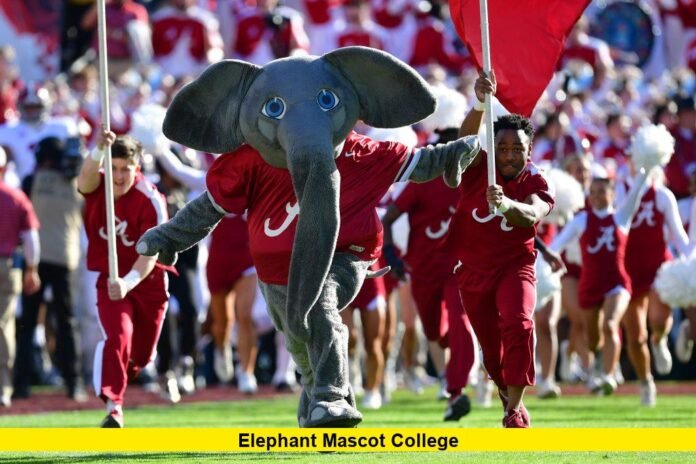

The elephant mascot college tradition represents one of the most distinctive and enduring symbols in U.S. higher education, blending athletics, history, and campus identity into a powerful cultural marker. While only a few American colleges have adopted the elephant as their official mascot, those institutions have built narratives that stretch across decades, shaping how students, alumni, and fans connect with their schools.
Elephants are not common mascots, and that rarity adds to their impact. Known for strength, intelligence, loyalty, and memory, elephants naturally embody qualities universities often want associated with their academic and athletic missions. In the American college landscape, the elephant has become a symbol of dominance on the field, unity on campus, and tradition that survives generations.
This article examines how elephant mascots became embedded in U.S. college culture, why they remain relevant today, and how they continue to influence school spirit and public perception.
How elephants became meaningful college symbols
College mascots in the United States often originate from informal nicknames, media descriptions, or legendary moments that evolve into official symbols. Elephants followed this same path, gaining recognition through storytelling rather than formal branding strategies.
In the early twentieth century, sportswriters frequently used animals as metaphors to describe teams. When a team played with overwhelming power, size, or resilience, writers looked for imagery that captured those traits. The elephant, already a symbol of might and endurance in popular culture, fit naturally.
Over time, what began as descriptive language became symbolic identity. Students embraced it, alumni amplified it, and eventually universities formalized the mascot as part of their official image. This organic development explains why elephant mascots feel authentic rather than manufactured.
The University of Alabama: strength, dominance, and Big Al
The University of Alabama stands as the most prominent example of an elephant mascot in major college athletics. Competing at the highest level of NCAA Division I sports, Alabama’s identity has long been associated with power, discipline, and sustained excellence.
The elephant connection emerged in the 1930s when journalists described Alabama’s football team as “elephants” charging onto the field. The imagery resonated with fans and stuck. By mid-century, the elephant was firmly linked to the Crimson Tide brand, even though it took decades before the mascot appeared in costumed form.
That moment came in 1980, when the costumed elephant known as Big Al officially debuted. Since then, Big Al has become inseparable from Alabama athletics. The mascot appears at football games, basketball matchups, volleyball contests, pep rallies, and community events throughout the year.
Big Al’s role extends beyond entertainment. The mascot functions as a unifying symbol for students and alumni, especially during nationally televised games and championship runs. The elephant reinforces Alabama’s reputation for consistency and toughness, qualities that align with the school’s athletic history.
Earlier decades also included appearances by live elephants during special events, particularly homecoming celebrations. While such practices no longer occur, those moments remain part of Alabama folklore, reinforcing the depth of the mascot’s roots.
Tufts University and the enduring legacy of Jumbo
Tufts University offers a very different, yet equally powerful, elephant mascot story. Located in Massachusetts and competing in NCAA Division III, Tufts uses the elephant not to symbolize athletic dominance, but to honor a historical legacy tied to education, culture, and identity.
Tufts’ teams are known as the Jumbos, a name inspired by Jumbo the Elephant, a famous figure in American entertainment during the nineteenth century. The elephant became closely associated with the university through the involvement of P.T. Barnum, a prominent supporter and trustee.
After Jumbo’s death, Barnum donated the elephant’s remains to Tufts, where they became a centerpiece of campus life. Although the original exhibit was later lost in a fire, Jumbo’s symbolic presence never disappeared. Today, the elephant remains central to Tufts’ branding, traditions, and campus landmarks.
Students encounter Jumbo imagery during orientation, athletic events, campus tours, and alumni gatherings. The elephant represents more than sports at Tufts; it symbolizes continuity, curiosity, and shared institutional memory.
Why elephant mascots resonate with students and alumni
Elephant mascots endure because they connect emotionally with the people who experience campus life. Unlike abstract symbols, elephants are universally recognizable and rich in meaning.
Strength and resilience
Elephants are associated with physical power and mental endurance. These qualities mirror the demands of academic achievement and athletic competition, making the animal a fitting representation of student effort and perseverance.
Intelligence and memory
Elephants are widely regarded as intelligent animals with remarkable memories. This association aligns well with educational values, reinforcing the idea that learning leaves a lasting imprint.
Community and loyalty
Elephants are social animals known for strong group bonds. This trait mirrors the sense of belonging that colleges aim to foster among students, faculty, and alumni.
These symbolic traits help explain why elephant mascots inspire lasting loyalty. Graduates continue to identify with the mascot long after leaving campus, strengthening alumni networks and traditions.
The role of mascots in modern college branding
In today’s digital environment, mascots serve a strategic role in branding and engagement. Social media, merchandise, and live events have expanded the mascot’s reach far beyond stadiums.
Costumed mascots like Big Al function as ambassadors for their institutions. They appear in viral videos, promotional campaigns, and public appearances that humanize the university brand. Their visual appeal makes them effective in attracting prospective students and maintaining fan enthusiasm.
At institutions like Tufts, the elephant mascot reinforces uniqueness in a crowded higher education market. When many colleges compete for attention, a distinctive mascot tied to genuine history helps a school stand out.
Elephant mascots and ethical considerations
Modern colleges are also mindful of ethical standards related to animal welfare. Unlike earlier eras, today’s elephant mascots exist solely in symbolic or costumed form. This shift reflects broader societal values and ensures that traditions evolve responsibly.
By maintaining the elephant as an emblem rather than a live attraction, colleges preserve tradition while aligning with contemporary expectations. This balance allows mascots to remain relevant without controversy.
The elephant mascot college tradition in context
Across the United States, hundreds of colleges use animal mascots, yet only a select few have chosen the elephant. This exclusivity enhances the symbol’s impact. The elephant does not become diluted through overuse; instead, it retains a sense of prestige and identity.
The elephant mascot college tradition demonstrates how symbols gain power through storytelling, repetition, and shared experience. Whether tied to athletic excellence or historical legacy, the elephant has proven adaptable across different institutional missions.
As college sports and campus culture continue to evolve, elephant mascots remain steady reminders of where these institutions have been and what they value.
Looking ahead: why elephant mascots will endure
There is little indication that colleges with elephant mascots will move away from them. Instead, these symbols continue to be reinforced through branding, alumni engagement, and student life.
As new generations of students arrive on campus, they inherit traditions shaped long before them. The elephant mascot becomes a bridge between past and present, offering continuity in an ever-changing educational environment.
In an era where authenticity matters more than ever, mascots rooted in genuine history and meaning carry lasting value.
What makes elephant mascots so memorable is not just their size, but the stories, values, and shared pride they continue to represent—join the conversation and stay connected for more insights into college culture.