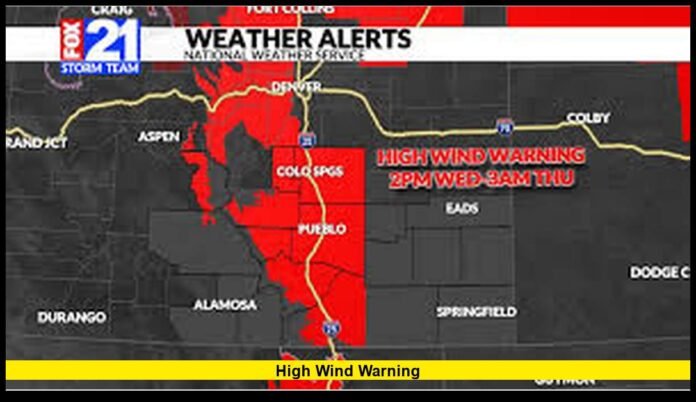

A High Wind Warning is impacting several parts of the United States today as intense wind conditions continue to threaten public safety, infrastructure, and daily routines. Strong, sustained winds combined with sudden gusts are creating hazardous situations, prompting officials to urge residents to remain cautious, stay indoors when possible, and closely follow local alerts until conditions improve.
These wind events are not isolated or minor. They reflect a significant weather pattern capable of causing widespread disruption, from fallen trees and power outages to dangerous travel conditions.
Active High Wind Warning Conditions Today
High Wind Warnings are issued only when wind speeds reach levels that can cause damage and injury. Today’s conditions meet those criteria in multiple regions, where sustained winds and powerful gusts are already being observed.
In affected communities, residents are dealing with unsecured objects blowing across properties, weakened trees at risk of falling, and increasing concerns over electrical service interruptions. Emergency officials continue to monitor conditions closely as the warning remains active.
What Makes a High Wind Warning Serious
A High Wind Warning indicates a high level of risk. These winds are strong enough to impact buildings, vehicles, and outdoor environments in a short period of time.
Common dangers during a High Wind Warning include:
- Trees and large branches falling onto roads or homes
- Power lines damaged by wind-driven debris
- Roof shingles, signs, and fences torn loose
- High-profile vehicles pushed off course
- Increased risk of injuries from flying objects
This level of wind is far more dangerous than routine gusty weather and requires immediate attention.
Where High Wind Conditions Are Most Noticeable
Wind intensity can vary by location, even within the same region. Today’s strongest impacts are occurring in areas where geography and weather patterns amplify wind flow.
These include:
- Open plains and coastal zones, where winds face little resistance
- Mountain passes and valleys, which funnel air and increase speed
- Urban areas with saturated ground, making trees more likely to topple
Residents in these locations may experience sudden wind surges with little warning.
Why These Strong Winds Are Occurring
The current High Wind Warning is driven by a sharp difference in atmospheric pressure across the country. When high-pressure and low-pressure systems move close together, air accelerates rapidly from one area to another.
This rapid movement produces sustained winds and intense gusts. Terrain, elevation, and existing weather conditions can further intensify these effects, leading to localized areas of extreme wind strength.
Impact on Travel and Transportation
Travel becomes especially dangerous during a High Wind Warning. Sudden gusts can make vehicles difficult to control, even for experienced drivers.
Major travel concerns include:
- Loss of vehicle stability on highways and bridges
- Blowing debris reducing visibility
- Fallen trees or power lines blocking roads
- Delays or disruptions to air and rail travel
Officials recommend delaying non-essential travel until winds decrease and roads are cleared.
Risks to Homes and Property
Homes and businesses face increased risk during high wind events. Even well-maintained structures can suffer damage when winds reach warning levels.
Potential property impacts include:
- Roof damage from lifted shingles or panels
- Broken windows from airborne debris
- Collapsed fences and damaged outdoor structures
- Vehicles damaged by falling branches
Residents are advised to secure loose items and avoid outdoor repairs while winds remain strong.
Power Outages and Utility Challenges
Power outages are one of the most common consequences of High Wind Warning events. Falling trees and branches frequently damage electrical lines, leading to widespread service disruptions.
Utility crews are often placed on standby during these events, but restoration efforts may take time if conditions remain unsafe. Residents should prepare for outages by keeping essential supplies accessible and avoiding contact with downed power lines.
How Communities Are Responding
Local governments and emergency response teams are actively managing the impacts of today’s wind conditions. Public works crews are prepared to clear debris, while emergency services remain ready to respond to incidents related to fallen trees or structural damage.
Many communities are also using public alert systems to share updates, closures, and safety instructions as conditions change.
Safety Measures During a High Wind Warning
Officials strongly advise residents to take protective steps while a High Wind Warning is active. These measures can significantly reduce the risk of injury.
Recommended actions include:
- Staying indoors and away from windows
- Securing outdoor furniture, decorations, and trash bins
- Parking vehicles away from trees and utility poles
- Avoiding ladders, roofs, and outdoor work
- Monitoring weather alerts for updates
Even brief outdoor exposure can be dangerous during peak wind periods.
Understanding the Difference Between Wind Alerts
Not all wind alerts carry the same level of urgency. A High Wind Warning represents the most severe wind alert short of tornado-related warnings.
- High Wind Warning: Dangerous winds are occurring or imminent
- Wind Advisory: Breezy to windy conditions with limited damage risk
Today’s conditions fall into the higher-risk category, requiring immediate awareness and action.
Lingering Dangers After Winds Subside
When winds begin to weaken, hazards may still remain. Downed trees, damaged power lines, and unstable structures can pose risks long after the warning ends.
Residents should remain cautious when traveling or inspecting property and wait for official confirmation that conditions are safe before resuming normal outdoor activities.
Economic and Daily Life Disruptions
High wind events can disrupt daily life in many ways. Schools, businesses, and public services may adjust operations due to safety concerns or power interruptions.
Construction projects, outdoor events, and deliveries are often delayed, while cleanup efforts can take days depending on the extent of damage.
Why Staying Informed Matters
Weather conditions during High Wind Warnings can change quickly. Wind speeds may increase suddenly, or warning areas may expand.
Staying informed through local alerts and official weather updates allows residents to react promptly and avoid unnecessary risks. Awareness is one of the most effective tools during severe weather events.
What to Expect Moving Forward
Winds are expected to gradually ease once the current weather pattern shifts. However, conditions may remain hazardous until the warning officially expires and cleanup efforts are completed.
Patience and caution are essential, even as wind speeds decrease.
Strong winds demand serious attention—share how conditions are affecting your area and stay alert as updates continue.