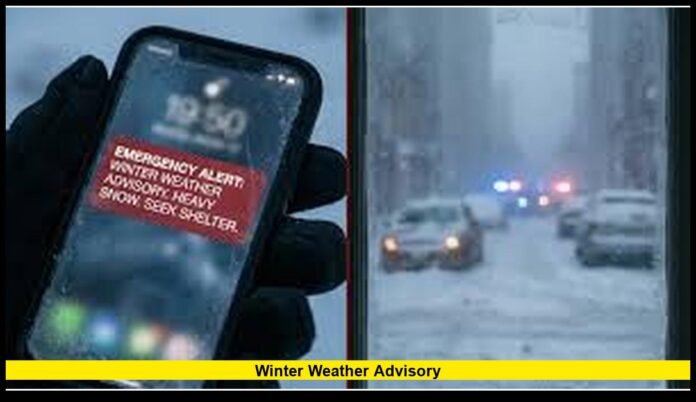

A winter weather advisory is affecting multiple parts of the United States today as winter conditions continue to disrupt travel, daily routines, and public safety across several regions. Snowfall, icy roads, freezing temperatures, and reduced visibility remain key concerns as winter weather systems move through both northern and central states.
These advisories signal conditions that are expected to create hazards, especially for drivers and outdoor activities. While not as severe as winter storm warnings, they still demand attention and preparation from residents and travelers.
Understanding a Winter Weather Advisory
A winter weather advisory is issued when winter conditions are likely to cause inconvenience or danger but are not expected to reach extreme levels. These advisories commonly involve light to moderate snow, sleet, freezing rain, or blowing snow that can make roads slick and travel difficult.
The advisory serves as an early warning to slow down, adjust plans, and stay informed. Many winter-related accidents occur during advisory-level events because conditions can appear manageable at first glance.
Where Winter Weather Advisories Are Impacting the U.S.
Winter weather advisories are common during this time of year, especially as cold air spreads south and interacts with moisture-rich systems.
Northeast and Mid-Atlantic Regions
Parts of the Northeast continue to deal with snow accumulation and icy pavement. Overnight freezing temperatures have allowed ice to linger well into the morning hours, increasing the risk for commuters.
In several states, the first significant snowfalls of the season have already occurred. Even where snowfall totals are limited, untreated roads, sidewalks, and parking lots remain slick and hazardous.
Upper Midwest and Great Lakes
Cold air has settled across the Midwest, creating conditions favorable for advisory-level snow and blowing snow. Rural highways and open areas are particularly vulnerable to sudden visibility reductions when winds pick up.
Temperatures below freezing have prevented melting, allowing snowpack and ice to persist longer than usual.
Central Plains and Interior Regions
In parts of the central U.S., winter weather advisories highlight light snow and freezing drizzle. These conditions often create thin layers of ice that are difficult to see, making them especially dangerous for early-morning drivers.
Travel Disruptions and Transportation Challenges
Road Safety Concerns
Road travel is one of the most affected areas during a winter weather advisory. Even minimal snow or ice can significantly reduce traction.
Common issues include:
- Slippery bridges and overpasses
- Snow-covered secondary roads
- Reduced braking effectiveness
- Increased accident risk during rush hours
Transportation officials urge drivers to reduce speed and remain alert, especially during early morning and evening hours.
Public Transportation and Airports
Winter weather advisories can also impact buses, trains, and air travel. Snow and ice slow operations and increase maintenance demands.
Airports in colder regions often experience delays as crews work to clear runways and de-ice aircraft. Travelers may notice longer wait times even when snowfall totals appear minor.
Why Winter Weather Advisories Deserve Attention
Many people underestimate advisory-level events, assuming only warnings bring real danger. In reality, advisories often coincide with the highest number of winter accidents.
Advisories also serve as indicators that conditions could worsen. Weather patterns can shift quickly, and snowfall or ice may exceed initial expectations.
Treating an advisory seriously helps reduce injuries, vehicle damage, and emergency response strain.
Weather Factors That Trigger Advisories
Meteorologists consider several elements before issuing a winter weather advisory:
- Expected snow accumulation that affects travel
- Potential for freezing rain or sleet
- Wind-driven snow reducing visibility
- Timing during peak commute periods
- Regional sensitivity to winter weather
In areas not accustomed to winter conditions, even small amounts of snow or ice can trigger an advisory.
Cold Temperatures and Wind Chill Effects
Cold air often accompanies winter weather advisories, increasing the overall risk. Low temperatures prevent snow and ice from melting and can create additional hazards.
Cold-related concerns include:
- Frostbite risk with prolonged exposure
- Increased heating demand
- Vehicle issues such as frozen fuel lines and weak batteries
Wind chills can make conditions feel far colder than the actual temperature, especially in open or elevated areas.
How Communities Are Affected
Winter weather advisories influence more than just travel. Schools may adjust schedules, municipalities may alter services, and outdoor events are often postponed.
Local governments prioritize major roads first, which means neighborhood streets and sidewalks may remain icy for longer periods. Residents are encouraged to plan accordingly and take extra precautions when walking or driving.
Staying Safe During Advisory Conditions
Preparation is key when a winter weather advisory is in effect.
Driving Tips
- Reduce speed and increase following distance
- Avoid sudden movements on icy roads
- Keep headlights on in snowy conditions
At Home
- Clear walkways and apply ice melt
- Keep emergency supplies on hand
- Check heating systems and insulation
Personal Safety
- Dress in warm layers
- Limit time outdoors in extreme cold
- Watch for signs of frostbite or hypothermia
Small actions can significantly reduce risk during winter conditions.
The Role of Advisories in Seasonal Weather Patterns
Winter weather advisories are a regular part of the colder months. They help bridge the gap between normal winter conditions and more severe storms.
As weather systems move across the country, advisories may appear frequently, especially during periods of fluctuating temperatures when rain can quickly turn to snow or ice.
Changes and Updates to Advisories
Advisories are dynamic and may change as conditions evolve. They can be:
- Extended if hazardous conditions persist
- Expanded to include additional areas
- Upgraded if snowfall or icing increases
Checking local weather updates regularly ensures timely and accurate information.
Why Ongoing Awareness Matters
Winter weather advisories highlight everyday winter risks that affect millions of Americans each year. Staying aware allows individuals to make informed decisions about travel, work, and outdoor activities.
Even experienced winter drivers benefit from reminders to slow down and remain cautious during advisory conditions.
Looking Ahead Through the Season
Cold temperatures and periodic winter systems are expected to continue shaping weather patterns across the U.S. Advisory-level events will remain common, particularly in northern and interior regions.
Preparation, caution, and awareness remain essential as winter conditions evolve throughout the season.
Have winter conditions affected your community recently? Share your experience and stay alert as winter weather advisories continue across the country.