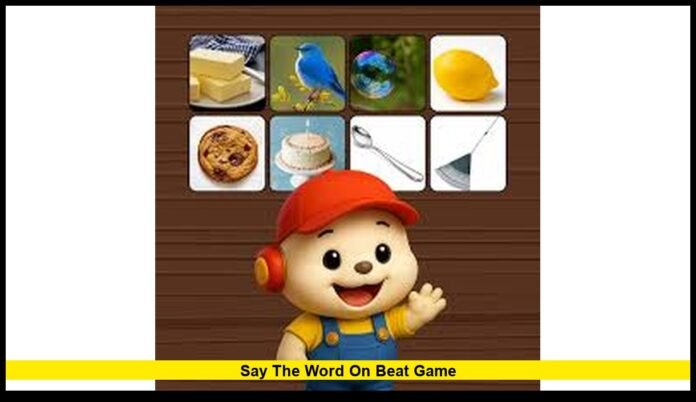

The say the word on beat game has become one of the most talked-about viral challenges across U.S. social media platforms, drawing millions of users into a simple yet demanding test of timing and focus. The challenge has surged in popularity through TikTok, Instagram Reels, and YouTube Shorts, where short videos show players attempting to speak words at the exact moment a beat hits.
The game’s rapid rise reflects a growing appetite for interactive, low-barrier entertainment that anyone can try. With no downloads, no instructions to memorize, and no setup required, the challenge fits seamlessly into everyday scrolling habits.
What the Say the Word on Beat Game Is All About
At its core, the say the word on beat game is a rhythm-based speaking challenge. Participants watch a video where words appear on screen in sync with a beat. The goal is simple: say each word out loud at the exact moment the beat lands.
Timing matters more than speed. Even being a fraction of a second early or late counts as a miss. That fine margin is what makes the challenge so engaging and, at times, hilariously difficult.
The game doesn’t rely on winning or losing in a traditional sense. Instead, it thrives on reaction, repetition, and the satisfaction of getting the timing just right.
How the Trend Took Off in the U.S.
The challenge began gaining traction toward the end of the year as creators experimented with beat-driven formats. Once viewers realized they could play along instantly, participation skyrocketed.
Unlike trends that require choreography or special effects, this game relies on instinct. That accessibility helped it spread quickly among users of all ages.
U.S. creators embraced the format by adding personality, humor, and increasingly difficult variations. View counts surged as viewers replayed videos multiple times to test themselves.
Why the Format Works So Well
Several elements contribute to the challenge’s success:
- Immediate participation without preparation
- Clear rules that need no explanation
- Short videos that reward repeat viewing
- Natural humor from near misses
The challenge also taps into rhythm awareness, a skill most people believe they have until they try the game. That contrast between confidence and reality fuels engagement.
How People Play the Game
Most versions of the game follow a similar structure:
- A beat plays at a steady pace
- Words appear briefly on screen
- The player speaks each word on the beat
- The attempt is recorded and shared
Some creators add visual countdowns or sound cues. Others increase difficulty by changing beat tempo without warning.
Because there is no official scoring system, success is measured through comments, reactions, and replay value.
Difficulty Levels and Gameplay Styles
As participation grew, creators introduced difficulty tiers to keep the challenge interesting.
Beginner Levels
- Slower beats
- Familiar words
- Predictable timing
Intermediate Levels
- Faster tempo
- Category switching
- Reduced reaction time
Advanced Levels
- Rapid beats
- Randomized words
- Visual distractions
These variations allow players to progress naturally while keeping the content fresh.
Creative Variations Across Social Media
One reason the challenge continues to thrive is its adaptability. Creators have customized it in countless ways, including:
- Theme-based rounds like food, animals, or colors
- Speed rounds lasting under 15 seconds
- Group attempts with multiple voices
- Silent attempts where timing is mouthed
Each variation adds personality without changing the core concept.
Multiplayer and Group Versions
The game has also moved beyond solo play. Friends and families often gather around a single device to attempt the challenge together.
Some formats rotate players after each word. Others eliminate participants when they miss a beat. These versions turn the challenge into a social activity rather than a solo test.
During holidays and gatherings, these group attempts have become especially popular.
Why Mistakes Are Part of the Fun
Unlike competitive games that punish failure, this challenge embraces it. Slight timing errors often produce laughs, exaggerated reactions, and replayable moments.
Viewers enjoy watching both perfect runs and total breakdowns. That balance keeps the content approachable and entertaining.
The absence of pressure encourages more people to participate without fear of embarrassment.
Viewer Engagement and Comment Culture
Comment sections play a major role in the game’s popularity. Viewers frequently report how far they made it before missing a beat.
Common interactions include:
- Calling out the hardest word
- Challenging friends to try
- Debating whether timing was correct
This interaction transforms passive viewers into active participants.
Algorithm-Friendly Content Design
From a platform perspective, the format performs exceptionally well. Short runtime, replay value, and viewer participation all contribute to strong algorithm performance.
Many users watch the same clip multiple times, which boosts visibility. Creators often pin comments inviting viewers to test themselves.
This loop keeps the challenge circulating consistently.
Simple Production, High Impact
Another reason for the game’s success is production simplicity. Creators don’t need advanced editing tools.
A phone, a beat, and timed text are enough to create engaging content. That low barrier allows new creators to gain visibility quickly.
As a result, the challenge has helped many smaller accounts grow rapidly.
Digital Game Adaptations
Alongside social videos, simplified digital versions inspired by the challenge have appeared. These versions often include:
- Timed rounds
- Point systems
- Increasing difficulty
While not required to enjoy the trend, they demonstrate how the idea has evolved into a recognizable interactive format.
Why the Game Appeals to All Ages
The challenge avoids age-specific references, making it widely accessible. Children enjoy the rhythm aspect, while adults appreciate the mental focus required.
There are no cultural barriers or complex rules. This universality has helped the trend spread across different communities.
Staying Power Compared to Other Trends
Many viral challenges fade quickly. This one continues to perform well because it is endlessly customizable.
As long as creators introduce new beats and themes, the format remains relevant. Its reliance on timing rather than novelty gives it longevity.
Current Status Across Platforms
As of today, the challenge remains highly active across major U.S. platforms. New videos are posted continuously, and engagement remains strong.
Creators continue to experiment with pacing, visuals, and group formats, keeping the trend visible and competitive.
Why the Say the Word on Beat Game Matters
The challenge reflects a broader shift toward interactive entertainment. Viewers no longer want to just watch; they want to participate.
This game delivers that experience in seconds, making it perfectly suited to modern attention spans.
Looking Ahead
While trends evolve quickly, the core idea behind this challenge is durable. Rhythm-based interaction has wide appeal and minimal fatigue.
As creators continue to reinvent the format, the challenge is likely to remain a familiar part of the social media landscape.
Final Thoughts
The say the word on beat game has carved out a unique space in U.S. digital culture by blending rhythm, reaction, and humor into a format anyone can enjoy. Its continued popularity shows no signs of slowing, driven by creativity and community engagement.
Have you managed a perfect run, or does the beat always win? Share your thoughts and join the conversation.