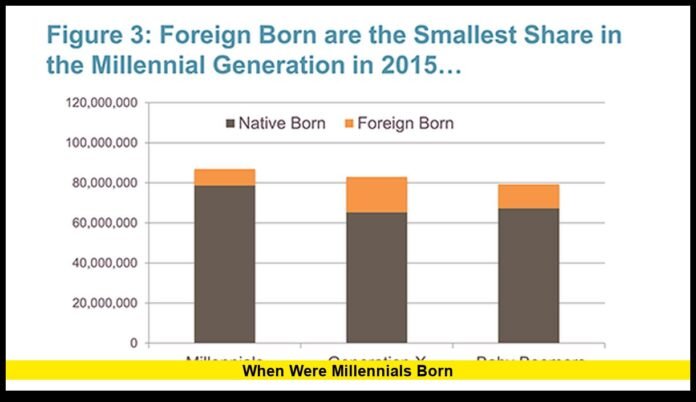

When were millennials born? As of December 2025, millennials — officially defined as those born between 1981 and 1996 — are between 29 and 44 years old. This group, often called Generation Y, sits between Generation X and Generation Z and has shaped nearly every aspect of modern life — from technology and work culture to politics, family, and social values.
Millennials came of age during one of the most transformative times in history. They witnessed the rise of the internet, the invention of smartphones, and the birth of social media. They also endured defining global moments, including 9/11 and the 2008 financial crisis, all of which shaped their worldview and habits.
The Official Millennial Birth Years
The most widely accepted definition of millennial birth years comes from demographic researchers who identify 1981 to 1996 as the official range. People born in these years experienced both an analog childhood and a digital adulthood — a defining characteristic of this generation.
| Generation | Birth Years | Age Range in 2025 |
|---|---|---|
| Baby Boomers | 1946–1964 | 61–79 years old |
| Generation X | 1965–1980 | 45–60 years old |
| Millennials (Gen Y) | 1981–1996 | 29–44 years old |
| Generation Z | 1997–2012 | 13–28 years old |
| Generation Alpha | 2013–2025 | 0–12 years old |
This age group represents a unique bridge between traditional values and the fast-paced digital age. Millennials were old enough to remember life without smartphones yet young enough to adapt quickly to the technology that now dominates modern life.
What Makes Millennials Unique
Millennials are often described as adaptable, tech-savvy, and socially conscious. They grew up in a world that changed faster than any other generation before them. By balancing old and new, they learned to navigate both handwritten notes and instant messaging, VHS tapes and streaming platforms.
1. The Digital Pioneers
Millennials were the first generation to truly grow up with technology. They witnessed the evolution from bulky computers to sleek laptops, from dial-up connections to Wi-Fi, and from flip phones to iPhones.
They were also the first users of early social media platforms such as MySpace and Facebook, helping to shape online communication for future generations.
2. Education and Ambition
Millennials value education highly. Many pursued college degrees and advanced studies, making them one of the most educated generations in history. However, this came with challenges, as many also entered adulthood during the Great Recession, facing high student loan debt and limited job opportunities.
3. Social Awareness
Millennials are socially and environmentally conscious. They advocate for diversity, inclusion, and sustainability. Their values have influenced businesses, pushing brands to become more transparent and responsible in their operations.
4. Experience Over Possessions
Rather than focusing on material wealth, millennials prioritize experiences. They prefer to spend money on travel, dining, and entertainment — things that create memories rather than accumulate clutter.
5. Redefining Success
Unlike previous generations, millennials measure success differently. For them, fulfillment, mental well-being, and purpose often matter more than a paycheck. This perspective has transformed workplace expectations, making flexibility and balance key employment factors.
Major Events That Shaped Millennials
Millennials grew up during times of both rapid technological progress and significant global challenges. These moments defined their identity and shaped how they view the world.
- The Rise of the Internet (1990s–2000s): Millennials were the first to grow up online, learning to use search engines, email, and social networks from a young age.
- 9/11 Attacks (2001): A defining event for many, it influenced their sense of global security and awareness.
- The Great Recession (2008): Entering adulthood during this economic crisis impacted their financial outlook and job prospects.
- The Smartphone Revolution (2007 onward): The iPhone transformed communication, social behavior, and work habits.
- Social Media Boom (2010s): Platforms like Instagram, YouTube, and Twitter reshaped how millennials interact, learn, and market themselves.
These events collectively made millennials resilient, resourceful, and driven by innovation.
Millennials and Technology
Millennials have always been at the forefront of technological adoption. They transitioned from landlines to smartphones and from traditional TV to streaming services.
Their comfort with digital platforms made them early adopters of innovations such as:
- Online shopping (Amazon, eBay, Etsy)
- Streaming entertainment (Netflix, Spotify, YouTube)
- Social media networks (Facebook, Instagram, TikTok)
- Remote work and freelancing platforms
- Digital finance tools like mobile banking and cryptocurrency apps
By embracing technology early, millennials not only adapted to the digital age — they helped shape it.
Millennials in the Workforce
In 2025, millennials make up a large portion of the American workforce — roughly 40% of all working adults. Their influence has transformed how businesses operate and how employees view work-life balance.
How Millennials Changed Work Culture
- Flexible Work: Millennials pushed for remote work and flexible hours, reshaping traditional office environments.
- Purpose-Driven Jobs: They prefer to work for companies that align with their values, not just their paychecks.
- Team Collaboration: Millennials emphasize teamwork, communication, and mentorship.
- Entrepreneurship: Many millennials started their own businesses, contributing to the rise of startups and the gig economy.
By valuing balance, well-being, and purpose, millennials have redefined the modern workplace.
How Millennials Differ from Generation Z
While both generations are tech-savvy, there are clear differences between millennials and Gen Z. Millennials remember floppy disks, handwritten notes, and pre-digital childhoods, while Gen Z grew up entirely online.
| Aspect | Millennials (1981–1996) | Gen Z (1997–2012) |
|---|---|---|
| Technology | Grew up with early internet | Born into smartphones |
| Social Media | First used Facebook, Instagram | Prefer TikTok, Snapchat |
| Communication Style | Text and email | Video-based and visual |
| Cultural Outlook | Optimistic and idealistic | Pragmatic and direct |
| Work Preference | Flexibility and collaboration | Independence and innovation |
Millennials tend to be nostalgic and relationship-driven, while Gen Z is more future-focused and self-reliant. Despite differences, both generations are shaping a more connected and progressive world.
Millennials and Family Life
Many millennials are now entering their 30s and 40s, focusing on building families and achieving stability. Their approach to family and home life reflects their unique values.
- Delayed Marriage and Parenthood: Millennials tend to marry later and have children later than their parents did.
- Homeownership Trends: Rising housing costs have delayed homeownership for many, but millennials now make up a large share of first-time home buyers in 2025.
- Parenting Styles: They emphasize emotional intelligence, inclusivity, and balance when raising children — especially the next generation, known as Generation Alpha.
Their family structures are more diverse than those of past generations, reflecting evolving attitudes toward marriage, gender roles, and equality.
Millennial Spending and Economic Influence
Millennials are one of the most powerful consumer groups in the U.S. economy. Their preferences have reshaped industries and forced companies to adapt to their values.
Key Spending Habits
- Digital Purchases: Online shopping and subscription services dominate their spending.
- Health and Wellness: Millennials prioritize mental and physical health, investing in fitness, organic food, and mindfulness products.
- Sustainability: They prefer eco-friendly and ethical brands, influencing corporate environmental policies.
- Entertainment and Experiences: Instead of luxury goods, millennials spend on concerts, travel, and adventure.
Their demand for authenticity and transparency has changed how brands communicate and operate.
Millennials in 2025: A Generation in Its Prime
As of 2025, millennials are entering the most influential stage of their lives. The oldest members are nearing their mid-40s, while the youngest are approaching 30 — key years for career growth, family building, and leadership.
They are now managing teams, running businesses, and shaping policies. Their balance of tech skills, social awareness, and adaptability positions them to lead society into the next digital era.
Why Millennials Matter
Millennials aren’t just a generation; they are a driving force behind today’s culture and economy. They continue to redefine success, work-life balance, and social responsibility.
Their experiences — from navigating recessions to embracing technology — have made them resilient leaders and thoughtful innovators. They’ve helped build a more connected, inclusive, and forward-thinking America.
Final Thoughts
So, when were millennials born? The answer is clear — 1981 to 1996. In 2025, millennials are reshaping the modern world as they step into leadership, raise the next generation, and redefine what progress looks like.
They are the generation that grew up alongside technology, embraced change, and turned challenges into opportunities. As they continue to lead in every field — from business to social change — their influence on the future of the United States remains undeniable.
What do you think defines the millennial spirit most — their tech skills, resilience, or creativity? Share your thoughts in the comments below!