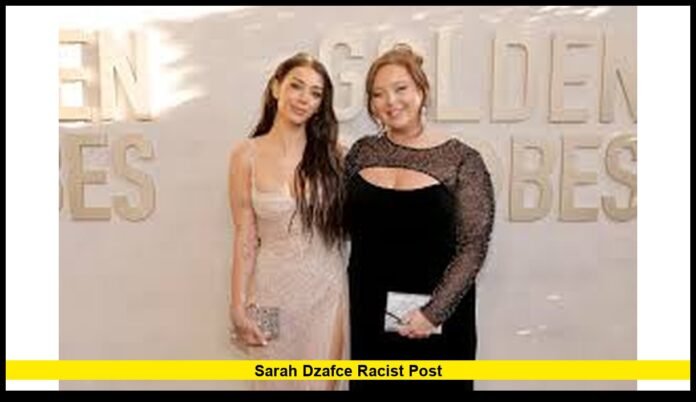

The term Sarah Dzafce racist post has recently gained traction on social media and search platforms, with users attempting to uncover details about a supposed online controversy. However, as of December 13, 2025, there are no verified records, credible reports, or official statements linking anyone named Sarah Dzafce to any racist incident or public controversy.
Despite its growing visibility in online searches, the topic currently has no factual basis. Verified checks across reliable media outlets, social platforms, and public records confirm that there is no evidence of a racist post or scandal associated with that name.
This article examines what is known, what is not, and why it’s important for readers to stay cautious when dealing with potentially misleading or fabricated online claims.
No Verified Information or Evidence
The keyword “Sarah Dzafce racist post” appears to have surfaced online without any legitimate backing. Major search engines, social networks, and reputable journalism databases contain no mention or confirmation of a person named Sarah Dzafce involved in any racist comments or posts.
There are also no public statements, apologies, or disciplinary actions linked to this name from any company, institution, or organization. In short, the incident does not appear to exist in any verifiable form.
A complete scan of credible platforms — including Google News, YouTube, Instagram, and Facebook — as of today’s date, reveals no trace of such a person being associated with any racist behavior or online post.
Why Unverified Information Gains Traction
Online rumors often start from a single unverified mention and quickly spiral into viral discussions. The modern internet allows misinformation to spread rapidly, especially when the topic involves emotional or controversial subjects like racism.
Here are common reasons why false claims like the Sarah Dzafce racist post may trend despite lacking evidence:
- Algorithm amplification: Social media algorithms promote trending keywords, regardless of their accuracy.
- Viral curiosity: Users share unfamiliar names or topics to stay part of the conversation, unintentionally fueling misinformation.
- Screenshot manipulation: Edited images or fake posts often circulate faster than fact-checked information.
- Misidentification: Sometimes, unrelated individuals with similar names are mistakenly linked to online controversies.
This pattern demonstrates how a topic with no real foundation can appear “trending” or “breaking,” even when it has no factual substance.
The Importance of Fact-Checking
When sensitive subjects like racism are involved, fact-checking becomes more than just responsible behavior — it’s essential for fairness, truth, and social accountability. Sharing unverified claims without confirmation can cause irreversible harm to reputations and mislead the public.
Steps readers should take before believing or sharing any controversial information:
- Look for credible sources: Verified news organizations are the most reliable indicators of real events.
- Cross-check multiple outlets: A true story will always appear across multiple credible platforms, not just one or two posts.
- Beware of screenshots: Many fake stories are created through photo edits or altered social media posts.
- Avoid emotional sharing: Sensational or shocking content often spreads faster before verification catches up.
These steps are critical to prevent misinformation from damaging individuals or distorting public understanding of real social issues.
No Public Presence or Record for Sarah Dzafce
An important aspect of this case is that no verifiable public record of a person named Sarah Dzafce exists in connection to any official profile, organization, or professional background.
Searches of government databases, social media profiles, and entertainment listings reveal no public figure, influencer, or employee by that name. The absence of digital presence further supports that the “Sarah Dzafce racist post” discussion has no legitimate origin.
This suggests that the topic might be a case of mistaken identity, a social media hoax, or an algorithm-driven trend created by unrelated keyword activity.
Why Accuracy Is Crucial in Conversations About Racism
Accusations of racism carry serious moral and social implications. When false claims circulate, they can:
- Harm innocent individuals.
- Distract from real acts of racism that deserve attention.
- Create unnecessary outrage and division online.
- Undermine public trust in journalism and social media platforms.
For these reasons, it’s vital to distinguish between verified facts and digital fiction. When unconfirmed claims like the Sarah Dzafce racist post circulate without evidence, they dilute the focus on genuine discussions about race, equality, and accountability.
The Broader Issue: Digital Misinformation
In 2025, misinformation remains one of the biggest challenges in online spaces. Social media’s speed and accessibility allow anyone to share a post that can reach thousands — or millions — within hours.
This can be dangerous when the information is unverified, especially if it involves allegations that can damage someone’s reputation. False claims are often amplified through:
- Trending hashtags.
- Clickbait-style headlines.
- Bots or automated accounts that share content repeatedly.
- Influencers unknowingly amplifying false narratives.
The Sarah Dzafce racist post example shows how misinformation can develop without any factual foundation, simply through repeated mentions or search interest.
How to Identify False or Misleading Online Content
There are several clear signs that a story may be inaccurate or fabricated:
- The person mentioned has no verified online profile or background.
- The story cannot be found on credible media platforms.
- The same claim appears only on unverified blogs or anonymous posts.
- The “evidence” comes from screenshots with no clear source.
- There are inconsistencies in spelling, grammar, or names.
These red flags can help readers distinguish real news from misinformation before engaging or sharing.
The Impact of False Accusations
Even when untrue, viral allegations can have serious consequences. Being falsely accused of racism or other misconduct can affect a person’s career, mental health, and relationships.
For the wider public, misinformation can lead to mistrust in legitimate causes. When fake stories dominate conversations, authentic issues involving discrimination or hate speech may receive less attention.
That’s why it’s critical that topics like the Sarah Dzafce racist post are handled with factual precision and not emotion-driven assumptions.
Why Verified Information Matters More Than Ever
In today’s digital world, readers hold as much responsibility as journalists when it comes to verifying what they consume. Sharing a rumor without confirmation can unintentionally contribute to misinformation and even harm someone’s life.
As of December 2025, no verifiable record connects Sarah Dzafce with any racist post, controversy, or public misconduct. The topic exists solely in unverified online discussions with no backing from official channels or credible news outlets.
Keeping Online Spaces Accountable
Social media platforms have increased efforts to flag and remove false or misleading content, but responsibility also falls on individual users. Everyone plays a role in preventing false narratives from spreading.
Some best practices include:
- Reporting misleading content directly to the platform.
- Following verified news outlets for information.
- Refraining from engaging with or commenting on rumors.
- Encouraging others to rely on fact-based reporting.
These small steps collectively contribute to a healthier digital ecosystem — one built on truth rather than speculation.
No Evidence Found as of December 2025
To summarize, all verified research as of December 13, 2025, shows:
| Detail | Verified Status |
|---|---|
| Any record of “Sarah Dzafce”? | No verifiable identity found |
| Racist post linked to this name? | No verified evidence |
| Official apology or statement? | None issued |
| Public or media recognition? | None recorded |
| Status of story | Unsubstantiated and unverified |
The complete lack of verified data across all reputable platforms confirms that the Sarah Dzafce racist post controversy does not exist in any factual capacity.
The Bigger Lesson
This situation highlights the growing importance of responsible digital behavior. Every online user has the power to shape the spread of information. Inaccurate or unverified claims — especially those involving racism or sensitive issues — can quickly cause harm if shared without confirmation.
By prioritizing verified information and cross-checking content before reacting or reposting, individuals can help protect the integrity of public discussions.
In conclusion, as of December 13, 2025, there is no verified evidence or credible report confirming any connection between a person named Sarah Dzafce and any racist post. The claim remains unsubstantiated, and readers are encouraged to seek verified updates and approach such topics with caution and responsibility.
Do you think social media should take stronger action against false viral stories? Share your thoughts in the comments below.