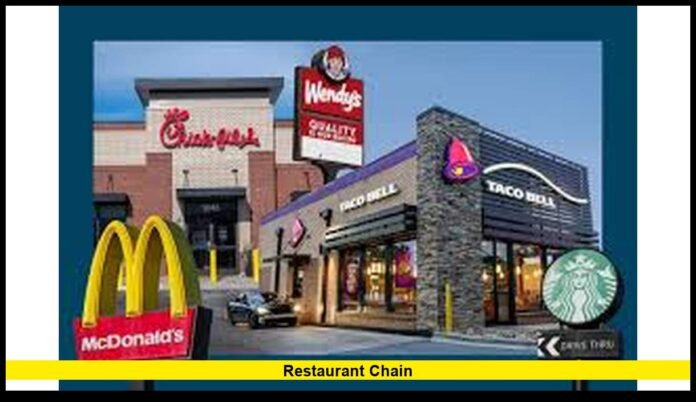

The restaurant chain industry is closing out 2025 with major developments affecting employees, franchise operators, investors, and customers nationwide. Early December brought a surge in labor action at a large coffee brand, new pricing rules at a major burger company, aggressive expansion from top fast-casual players, and a wave of holiday promotions designed to win traffic in a competitive year. These events are redefining how chains operate, communicate with customers, and plan for 2026.
Labor Movements Intensify as Baristas Push for Contracts
One of the most influential stories this month involves baristas across a prominent national coffee company who escalated a coordinated labor movement involving hundreds of stores. Thousands of employees joined a multi-week workplace stoppage to draw attention to demands for improved pay structures, stronger staffing guidelines, and consistent scheduling policies.
Workers shared concerns about handling peak demand with limited staffing, increased customer volume during promotional events, and the strain of unpredictable shift planning. Many want firm contractual guarantees, not temporary or location-specific adjustments. The company reported that most locations remained open, yet several regions noticed modified hours or longer lines during certain periods.
This moment is significant because service-sector labor actions have grown more visible over the past two years. Fast-food workers, hotel staff, airport teams, and retail groups have raised similar issues. The coffee sector—long viewed as a gateway employer for young workers—now faces pressure to formalize benefits historically considered optional. If negotiations move forward, the outcome could set a benchmark for similar chains.
Burger Giant Introduces New Pricing Oversight for Franchisees
Another major development shaping the end of the year came from one of the world’s largest burger companies, which confirmed a new pricing oversight framework for franchise operators. Starting January, franchisees must follow stricter corporate guidelines regarding menu price adjustments.
This shift follows years of increased flexibility in local pricing. Operators often changed menu prices to match regional labor expenses, ingredient costs, and competition. However, large differences between markets occasionally caused customer frustration, especially when comparing digital menu boards, app deals, and in-store prices.
The new structure aims to create more predictable national value. Corporate leaders stated that customers expect consistent pricing when interacting with a national brand, regardless of location. While operators acknowledge the need for brand alignment, some express concern about potential pressure on profit margins, especially in high-cost states.
Even so, many franchisees recognize that price consistency strengthens marketing campaigns, contributes to customer trust, and reduces confusion during national promotions. The coming months will show how the rule affects franchise profitability and menu strategy.
Restaurant Chain Sales Stay Stable Despite Cost Pressures
Tracking data throughout 2025 reveals that many chains maintained steady sales performance. Economic conditions remained mixed, with elevated menu prices and inflation influencing how often people dined out. Still, customers continued to visit their favorite quick-service, fast-casual, and full-service restaurants.
Digital loyalty programs played a major role in maintaining demand. Many chains added rewards tiers, exclusive mobile deals, birthday offers, and surprise-and-delight bonuses—all tools that effectively captured customer attention while encouraging repeat visits.
Another stabilizing factor was improved supply chain conditions. Ingredient shortages that once disrupted operations have decreased, allowing brands to focus more on consistency and cost control. The exception remains proteins, which stay higher in cost compared with pre-2020 levels. Operators in protein-heavy categories may continue adjusting menus to balance pricing with customer expectations.
Fast-Casual Brands Expand With New Stores and Seasonal Campaigns
Fast-casual chains remain among the strongest performers nationally. A leading burrito-focused company opened 11 new U.S. stores in the first half of December, continuing its pattern of suburban expansion. These markets benefit from hybrid work schedules, family-centric dining habits, and steady lunchtime traffic.
New locations bring jobs and play a notable role in local economic growth, especially in developing retail corridors. Fast-casual brands also remain attractive to investors because they offer high consumer appeal without the overhead of full-service dining.
Alongside expansion, chains launched holiday campaigns featuring gift card promotions, themed items, and merchandise collections. These promotions appeal to younger diners who engage heavily with brand identity. Social engagement tends to spike during holiday drops, giving chains a seasonal advantage in visibility and loyalty sign-ups.
Other fast-casual brands pursued regional menu trials, updated interior design approaches, or introduced new digital ordering perks. The segment’s strength this year suggests further expansion in 2026 across suburban plazas, college towns, and mixed-use residential developments.
Full-Service Restaurants Prepare Year-End Financial Announcements
Casual dining and full-service restaurant groups are preparing their final financial updates of the year. These updates provide insight into traffic performance, cost management, hiring challenges, and the success of refreshed menus introduced throughout 2025.
Many full-service chains spent the year modernizing interior layouts, updating bar programs, and streamlining menus to reduce waste and improve speed. Others transitioned toward more consistent lunch business by introducing weekday specials.
One recurring challenge remains staffing. Wage competition across retail, hospitality, and logistics requires restaurants to refine pay packages, offer clearer career paths, and improve training environments. Several chains noted rising tip totals following better digital tipping interfaces, which may help improve worker retention moving into 2026.
Another focus is kitchen efficiency. With higher food costs still impacting margins, operators trimmed underperforming items, reduced prep labor, and focused on signature dishes that drive customer traffic. This strategy has helped stabilize financial performance during unpredictable economic periods.
Holiday Promotions Influence Customer Behavior
December is historically one of the biggest months for the restaurant industry, and 2025 continues that trend. Many chains introduced nostalgia-inspired meals, returning favorites, holiday desserts, and themed family bundles. Customer reaction to seasonal items has been strong across quick-service and fast-casual restaurants, especially when paired with mobile-exclusive deals.
Holiday ordering behavior also continues shifting toward digital platforms. Pickup packages for gatherings and holiday parties have grown more popular, allowing chains to capture larger check sizes. To support demand, many brands invested in improved forecasting tools that help predict how menu items will perform during peak periods.
Though promotional success varies by brand, many operators view December as a chance to bolster annual sales totals and reinforce brand loyalty before entering the slower January period.
Impact on Customers and Franchise Operators
For customers, the most visible changes include:
- New holiday items
- Expanded digital deals
- Occasional schedule changes at coffee shops influenced by labor movements
- More consistent pricing at major burger chains
These changes shape dining habits and influence where families choose to spend money during the holiday season.
For franchise operators, the pricing oversight update is one of the most significant shifts entering 2026. While the new system may reduce flexibility, it strengthens national campaigns and may improve brand perception over time. Operators will need to monitor margins closely and may pursue cost-saving strategies, such as streamlined labor scheduling or improvements in ordering efficiency.
Full-service franchise owners also face decisions about remodels, technology adoption, staffing structures, and menu innovations based on upcoming financial guidance.
Key Areas to Watch Early Next Year
- Progress in coffee sector labor discussions
- Implementation of new pricing oversight rules in January
- First-quarter earnings that showcase consumer behavior early in 2026
- Continued suburban expansion from fast-casual companies
- Menu innovations centered on value, speed, and digital personalization
- Technology investments aimed at efficiency and speed of service
Conclusion
The restaurant chain industry enters 2026 with considerable momentum. Labor movements highlight growing worker demands across the service sector. Corporate pricing strategies are changing how franchise operators manage profitability. Fast-casual brands continue to grow rapidly through expansion and digital storytelling. Full-service operators are adapting through menu refinement, labor strategy improvements, and forward-looking financial planning.
All these developments show how dynamic and resilient the industry has become. As consumer expectations shift, restaurant brands must innovate while staying focused on value, community presence, and operational quality.
Share your thoughts below on how current restaurant chain developments have influenced your dining choices this season.