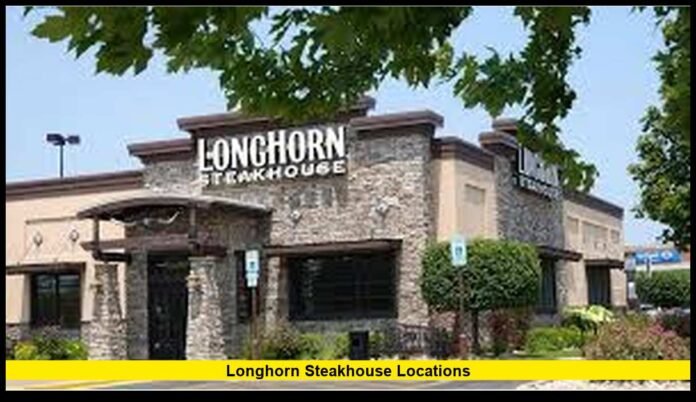

Verified updates as of today show steady national growth for longhorn steakhouse locations, with new restaurants opening across several U.S. regions and continued momentum from one of the country’s most recognized full-service steakhouse brands. This article offers a comprehensive, fresh look at where the chain stands now, how its footprint is evolving, and what diners and local economies can expect as 2025 moves forward.
A Strong Year for One of America’s Most Popular Steakhouses
LongHorn Steakhouse remains one of the leading concepts under the ownership of Darden Restaurants, a major operator in the U.S. dining sector. Across its various brands, Darden oversees more than two thousand restaurants, and LongHorn continues to be one of its healthiest performers in terms of geographic presence and consumer demand.
Throughout 2025, updated restaurant tallies consistently place LongHorn at roughly six hundred active restaurants nationwide. Some datasets show counts just under 600, while others show slightly above that number depending on reporting schedules. What remains certain is the chain’s widespread coverage and its increasing reach into markets experiencing population growth, new retail development, and heightened demand for sit-down dining.
LongHorn’s dining format—known for grilled steaks, casual American comfort meals, and approachable pricing—maintains a broad audience appeal. This gives the brand a strong foundation as it enters both new communities and existing markets that continue to expand.
Understanding Why Location Counts Move Throughout the Year
Restaurant totals may shift slightly from one report to the next. That happens for several common reasons:
- New openings appear in corporate listings after local construction and staffing are complete.
- A small number of stores may close or relocate, often connected to property redevelopment projects.
- Independent location trackers update their listings at different times during the year.
Because of these natural reporting differences, totals may vary by a few dozen locations across multiple verified sources. Even with this variation, all reporting confirms a footprint centered around six hundred restaurants and a continuing pattern of new openings rather than contraction.
Late-2025 Openings That Signal Ongoing Growth
Several confirmed openings in the final months of 2025 highlight LongHorn’s steady forward momentum. Each new restaurant brings jobs, fresh dining options, and new commercial activity to its surrounding area.
Lynchburg, Virginia
Early December marked the launch of a new LongHorn in Lynchburg, located along one of the city’s busiest retail corridors. The restaurant occupies a site previously used by another national casual-dining brand, demonstrating LongHorn’s ability to revitalize well-placed commercial properties. By opening in a high-traffic district near major shopping and travel routes, the brand strengthens its presence in central Virginia and adds another option for the region’s growing number of families, students, workers, and visitors.
Albertville, Alabama
In November, a ribbon-cutting ceremony celebrated the grand opening of a new LongHorn in Albertville. City leaders and local organizers attended the event. The opening delivers dozens of new jobs and adds a widely recognized dining option to the area. Albertville has seen retail expansion in recent years, and LongHorn’s arrival contributes to that momentum by attracting both local residents and travelers passing through northeastern Alabama.
Lenoir, North Carolina
Another notable opening occurred in Lenoir, where LongHorn established its first restaurant within the county. The addition brings full-service dining to an area that has seen renewed investment in housing, manufacturing, and small business development. The new restaurant strengthens regional dining choices and supports the community’s goal of attracting more commercial growth.
These openings show that LongHorn is not only focusing on major metropolitan centers but also investing in mid-sized and developing regions where consumer demand continues to rise.
What These Openings Mean for Local Economies
Every new LongHorn has a measurable economic footprint. Several impacts are clear across recent openings:
Job Creation
New locations typically hire dozens of employees across a range of roles—servers, bartenders, hosts, cooks, prep staff, dish staff, and managers. This provides opportunities for workers at multiple experience levels, from entry-level positions to hospitality professionals seeking new leadership roles.
Increased Retail Activity
LongHorn often selects locations within busy commercial districts or developing shopping centers. As a result, the presence of a nationally recognized, full-service restaurant attracts foot traffic and boosts nearby retailers. When LongHorn joins an area that is already growing, it can accelerate that momentum.
Greater Dining Diversity
Communities that previously relied on small local diners or fast-casual restaurants gain a new option with broader menu offerings. Families, groups, and business travelers benefit from having a reliable sit-down steakhouse nearby, reinforcing the brand’s wide appeal.
Enhanced Local Amenities
A full-service restaurant can help complement nearby hotels, entertainment venues, and shopping centers. In markets where cities are working to strengthen tourism or draw new residents, a new LongHorn contributes to a more complete commercial environment.
Why LongHorn Remains Competitive Nationally
Several factors help LongHorn sustain a strong competitive position across the country.
Consistent Menu and Pricing Strategy
LongHorn delivers a stable menu anchored by steak and grilled items, along with seasonal limited-time dishes. Pricing remains aligned with expectations for mid-range casual dining, which appeals to families and working adults seeking value and familiarity.
Reliable Service Model
The chain emphasizes friendly service, short menu navigation, and predictable dining times. For many guests, this reliability makes LongHorn a dependable choice for weekly meals, celebrations, and gatherings.
Appeal to Suburban and Mixed-Use Developments
As many cities expand outward and new housing communities rise, LongHorn frequently anchors or joins retail centers in these growing areas. The brand’s broad customer appeal supports steady customer flow in regions experiencing population growth.
Brand Recognition
With roughly six hundred restaurants nationwide, LongHorn maintains high visibility and name recognition. Travelers moving across states often choose familiar brands, and LongHorn capitalizes on that behavior, particularly in highway-adjacent markets and tourism regions.
Where LongHorn Has the Strongest Geographic Presence
Although LongHorn maintains restaurants across most of the U.S., several regions hold especially high concentrations.
Southeastern United States
This region remains the heart of the brand’s presence. States such as Florida, Georgia, Tennessee, the Carolinas, and Alabama host numerous locations. The chain originally developed much of its early fan base here, and demand remains strong.
Texas and the South-Central Region
Texas represents one of LongHorn’s most active growth areas. Rapid population increases, new housing communities, and strong consumer spending make it an ideal market for the brand. Surrounding states in the South-Central region also continue to gain new restaurants.
Mid-Atlantic Markets
Virginia and North Carolina, including newly opened cities like Lynchburg and Lenoir, reflect the brand’s expanding footprint in the Mid-Atlantic corridor. Growth in these states often aligns with the rise of suburban shopping districts and mixed-use developments.
Midwestern States
While not as saturated as the Southeast, states such as Ohio, Indiana, and Illinois host a steady number of locations. Continued regional development may lead to additional openings over time.
Limited Western Presence
LongHorn has a smaller footprint in the Western U.S. compared to other regions. However, as population shifts continue toward Mountain West states, the chain may find new opportunities in the future.
How Consumers Can Check Nearby Locations
For diners looking to find the closest LongHorn, confirm operating hours, or view the menu, the chain maintains a digital locator tool through its main website. This listing updates regularly and typically shows new restaurants shortly after their openings. Because operating hours may vary by region, the locator remains the most accurate resource for real-time information.
What Today’s Verified Trends Tell Us About the Brand’s Direction
Based on verified movements in 2025, several patterns are clear:
- The chain continues to grow steadily, with new restaurants entering both developing suburban zones and established regional corridors.
- LongHorn is maintaining a strong national footprint, anchored by roughly six hundred active locations.
- New restaurants are opening in strategic markets, including Virginia, Alabama, and North Carolina.
- Consumer demand remains strong, reinforced by consistent menu offerings and broad demographic appeal.
- Local economies benefit through job creation and increased commercial activity around each new restaurant.
- The brand shows no signs of slowing down, with late-year openings pointing toward continued activity heading into 2026.
The variety of markets receiving new restaurants—college towns, manufacturing hubs, suburban retail districts—demonstrates the chain’s ability to adapt to different types of communities. LongHorn’s continued presence as a dominant national steakhouse reinforces its role within the broader casual-dining landscape.
Final Outlook
The state of longhorn steakhouse locations in 2025 reflects a stable, growing, and widely recognized national brand. With continued openings, strong consumer loyalty, and a proven business model, LongHorn remains well-positioned for ongoing expansion and influence across the U.S. dining sector. As new markets welcome the chain and existing regions continue to support high customer traffic, LongHorn stands out as one of the most reliable and widely accessible steakhouse experiences in the country.