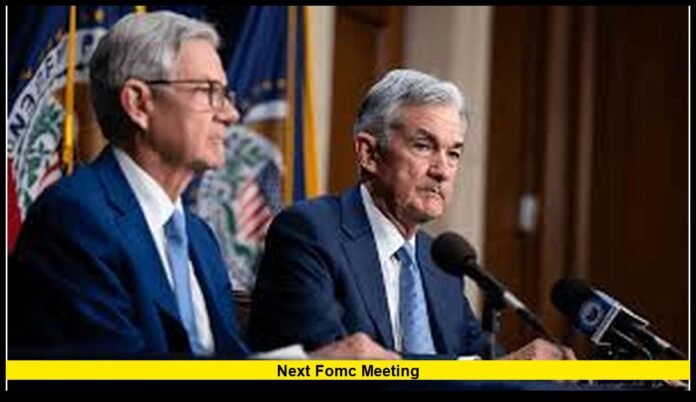

The next FOMC meeting scheduled for December 9–10, 2025, is drawing significant attention across the United States, as it marks the final policy gathering of the year and will shape how rate expectations evolve heading into 2026. This meeting arrives at a time when inflation trends, borrowing costs, and consumer sentiment continue to influence everyday financial decisions for millions of Americans. With the Federal Reserve preparing to release its policy statement and updated economic projections on December 10 at 2:00 p.m. Eastern, followed by Chair Jerome Powell’s press conference at 2:30 p.m., households, investors, and businesses are watching more closely than ever.
This article breaks down everything confirmed so far, explains why this meeting carries such weight, and outlines the practical implications for readers across the U.S. who want clarity on what this two-day event could mean for loans, wages, mortgages, savings plans, and market conditions.
Why This Meeting Holds Exceptional Importance
The December meeting is typically one of the most influential of the year because it includes the release of the Summary of Economic Projections. These projections provide a multi-year outlook on interest rates, inflation, unemployment, and economic growth. They also show how policymakers view the health of the U.S. economy and where they believe interest rates should move next.
For American households, any adjustment in the Federal Reserve’s near-term or long-term rate expectations can have a direct impact on mortgage applications, credit card interest, auto financing, and business lending. Even subtle wording shifts often affect how financial markets behave, and market shifts tend to filter into everyday life fairly quickly.
What Will Happen on Each Day of the Meeting
The two-day structure of the event follows a consistent pattern:
December 9, 2025
Federal Reserve officials begin discussions about economic conditions, reviewing key indicators including inflation trends, job reports, wage movements, and broader financial stability signals. Although the public rarely sees details from the first day, it lays the groundwork for the final vote and announcement.
December 10, 2025
This is when the public receives the formal policy statement and the updated projections. At 2:00 p.m. Eastern, the Federal Reserve releases:
- The policy statement
- The Summary of Economic Projections
- The full interest-rate outlook (commonly known as the dot plot)
Thirty minutes later, Chair Jerome Powell conducts a press conference. His comments often influence the markets as much as the written statement. This live Q&A provides insight into how policymakers interpret current conditions and what factors may influence future rate decisions.
What Americans Should Watch Closely
1. The Fed’s Interest-Rate Path
Interest-rate expectations sit at the center of public interest because they affect nearly every financial decision. The dot plot offers a look at how committee members believe policy rates should evolve. Whether projections point to more cuts, fewer cuts, or a stable rate environment can shift financial markets in minutes.
2. Inflation and Economic Growth Outlook
Inflation continues to be a major focus. The meeting will likely highlight whether progress toward the 2% target is consistent and strong enough for policymakers to feel comfortable easing rates further. The economic growth forecast will also shed light on the expected resilience of consumer demand, business investment, and labor market stability.
3. The Unemployment Forecast
The unemployment rate is a core part of the Fed’s mandate. Any upward or downward adjustment to this projection can reflect policymakers’ views on how strong or vulnerable the job market appears.
How the Statement Could Influence U.S. Markets
Market reactions have become almost instantaneous during Federal Reserve announcement days. The December meeting tends to amplify reactions because it carries end-of-year projections that shape expectations for months. Americans may observe noticeable movement across several financial areas:
Stock Markets
Equities often respond aggressively to interest-rate expectations. A projection signaling more rate cuts can boost stock valuations, while indications of caution tend to make investors more defensive.
Bond Yields
Treasury yields frequently move within seconds of the statement’s release. Yields influence mortgage rates, auto loans, and business financing. A downward shift in yields can lower borrowing costs for families planning to purchase homes or refinance existing loans.
The U.S. Dollar
Currency markets watch rate expectations closely. If policymakers signal slower rate cuts or a more cautious tone, the dollar may strengthen. A more accommodative outlook typically weakens the currency.
Commodities
Gold, oil, and other commodities often respond to market sentiment and expectations for future inflation and economic growth.
Practical Effects for U.S. Households
While the meeting may seem like a financial industry event, the decisions coming out of it influence numerous areas of daily life.
Mortgages
Mortgage rates depend heavily on Treasury yields and market expectations around future interest rates. Homebuyers and homeowners considering refinancing will be watching the meeting closely.
Credit Cards
Credit card interest rates often move in line with broader rate trends. Any indication of easing can open opportunities for debt reduction strategies.
Savings Accounts and CDs
Higher rates generally benefit savers. If projections suggest a slower path to easing, deposit rates may remain attractive longer.
Auto Loans
The cost of borrowing for vehicle purchases is sensitive to market conditions that react to Federal Reserve guidance.
Small-Business Financing
Improved rate expectations can support business expansion plans, especially for companies reliant on credit.
What the Press Conference Often Reveals
Chair Powell’s press conference remains one of the most anticipated parts of any meeting. He often provides clearer context on:
- The committee’s confidence in inflation progress
- How officials interpret recent data shifts
- How the labor market influences policy considerations
- Risks that may affect decisions in upcoming meetings
- The broader view of financial stability and economic resilience
The interaction between Powell and reporters sometimes produces the biggest headlines of the day. Markets can continue to react even after the press conference ends.
Why This Meeting Shapes Early 2026 Expectations
Because this is the final meeting of the year, it naturally sets the foundation for how investors and consumers view the first quarter of 2026. Several factors make this particular event especially meaningful:
- It concludes a full year of rate decisions, offering a complete snapshot of policy direction.
- It establishes an updated outlook that may influence financial planning, investment strategies, and household budgeting.
- It provides clarity on whether future rate adjustments are likely to be small, gradual, or actively paced.
For U.S. readers preparing for financial decisions early next year, the December projections can serve as a roadmap for planning.
Historical Context and Why 2025 Is Different
Every Federal Reserve year carries unique circumstances. What makes the current period distinct is the combination of:
- A moderating inflation environment
- A cooling yet still resilient labor market
- Shifting consumer confidence levels
- Broader global economic uncertainty
- Market sensitivity to even minor policy comments
The December meeting gathers all these elements together and delivers the Fed’s official interpretation. That interpretation becomes the benchmark for financial analysts, economists, businesses, and households as they prepare for the year ahead.
Key Times to Remember for U.S. Readers
To follow the meeting in real time, keep these windows in mind:
- 2:00 p.m. Eastern, December 10: Policy statement and economic projections
- 2:30 p.m. Eastern, December 10: Press conference with Chair Powell
These back-to-back updates often trigger rapid reactions across the financial world.
How the Next FOMC Meeting Fits Into the Fed’s Broader Strategy
The Federal Reserve operates within a dual mandate: promote stable inflation and maintain maximum employment. The December meeting clarifies how policymakers view progress toward these goals. The meeting also provides transparency into how long the Fed believes restrictive policy should remain in place and whether adjustments in 2026 appear likely.
Policymakers weigh several major sets of data, including inflation readings, labor market reports, consumer spending, wage trends, and global financial conditions. The meeting is not intended to shock markets but to provide a clear direction forward—one that supports long-term U.S. economic stability.
Final Overview
The next FOMC meeting arrives at a pivotal moment for the U.S. economy. The combination of the policy statement, economic projections, and Powell’s press conference makes this one of the most influential events of the year. With interest-rate expectations shaping everything from mortgage costs to credit card rates, Americans have strong reasons to pay attention. The meeting’s outcomes will help establish the financial tone for early 2026 and guide households as they plan for the months ahead.
Share your thoughts or questions below and join the discussion as we track the latest developments.