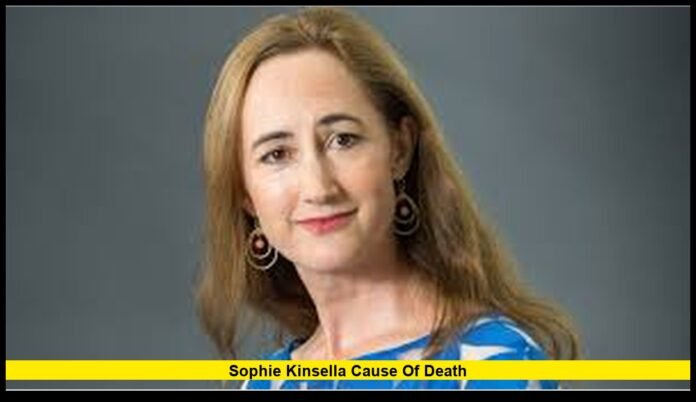

Sophie Kinsella cause of death has been confirmed as complications from glioblastoma, a severe form of brain cancer. The celebrated author passed away on December 10, 2025, at age 55. Her family announced that she died peacefully, surrounded by loved ones, music, warmth, and a sense of holiday joy in her final hours.
Early Life and Literary Beginnings
Born Madeleine Sophie Wickham on December 12, 1969 in London, she initially worked as a financial journalist. While commuting into the city, she read novels in her spare time and began to envision writing her own stories. In 1995 she published her first book under her real name — marking the start of her writing career.
Later, she adopted the pen name Sophie Kinsella. Under this name, she authored a novel that diverged sharply from her earlier work: a light, witty rom-com about shopping, money woes, and living life on impulse. That book became the beginning of the phenomenon known as the Shopaholic series.
Rise to Stardom: The Shopaholic Phenomenon
The first “Shopaholic” book debuted in 2000. Its heroine — a financial journalist utterly terrible with money — struck a chord with readers. The humor, relatable flaws, and candid self-awareness turned the story into a fast favorite. Over the years, Kinsella published a total of 10 Shopaholic novels, following the main character through misadventures, romance, and personal growth.
The success of the series propelled Kinsella to international fame. One notable milestone was the film adaptation released in 2009, which brought her work to the big screen and opened it up to a wider audience.
Beyond the Shopaholic series, she wrote dozens of other novels for adults, young adults, and even younger readers. Her books covered a range of tones — from romantic comedy to deeper examinations of identity, personal growth, and life’s unexpected challenges.
The Diagnosis: When the Story Took a Different Turn
In late 2022, Kinsella was diagnosed with glioblastoma, an aggressive and fast-growing type of brain cancer. This diagnosis marked the beginning of a private battle. Initially, she kept the news within her family, wanting to give her children and loved ones time to adjust without the glare of public attention.
By April 2024, she chose to share the diagnosis publicly. She revealed that she had undergone surgery and begun a course of radiotherapy and chemotherapy. Even as her world changed, she remained deeply grateful for the support she received from her family, medical team, and readers around the globe.
The news shocked fans. Many recalled the energetic humor and buoyant optimism that filled her novels. The revelation that the author behind such lighthearted stories was facing a serious illness added a poignant dimension to her work and personal story.
Understanding Glioblastoma: The Illness Behind Her Passing
Glioblastoma is widely regarded as one of the most aggressive and treatment-resistant brain cancers. It grows quickly and often infiltrates multiple regions of the brain, making full removal nearly impossible. Even after surgery, radiation, and chemotherapy, recurrence is common, and long-term survival rates remain low.
Symptoms vary depending on tumor location, but can include persistent headaches, seizures, memory issues, personality changes, difficulty speaking or understanding, vision problems, and fatigue. In many cases, the illness can impair mobility, cognition, and basic day-to-day functioning.
For Kinsella, the disease meant extraordinary challenges. The treatments took a toll, and gradually her health declined. Despite medical intervention and her resilience, glioblastoma ultimately led to complications that claimed her life.
The Family Announcement: Her Final Hours
On December 10, 2025, the world learned of her passing. Her family posted a heartfelt tribute, describing that she spent her last hours surrounded by those she loved. They said her final days were filled with family, music, warmth, holiday spirit, and joy. In their words, she passed peacefully — a blessing they held on to in the midst of overwhelming grief.
They expressed deep sorrow at losing her presence, while also gratitude for the life she lived — for her relationships, for her success, and for the love she shared with fans worldwide. They asked for privacy during their mourning, but also invited readers to remember her through her stories and the laughter she inspired.
A Literary Legacy That Spans Generations
Sophie Kinsella’s body of work spans more than thirty books, including romantic comedies, standalone novels, young adult fiction, and children’s books. Her writing resonated with readers across age groups and cultures. Her novels have sold in the tens of millions worldwide, translated into many languages, and found homes on bookshelves across continents.
Her strength lay in her characters — often flawed, sometimes messy, always human. She wrote about money troubles, love, self-doubt, ambition, and friendship. Her protagonists struggled, grew, laughed, and sometimes cried. But through their journeys, readers found escape, comfort, and a mirror for their own experiences.
Her final novels revealed deeper hues. They explored themes of resilience, identity, illness, and vulnerability. Readers saw beyond the shopping sprees and romantic misadventures and discovered stories shaped by real pain, real hope, and real courage.
Kinsella’s influence extended beyond her books. She helped define and legitimize a genre often dismissed as “fluffy” — demonstrating that stories about real people, real struggles, and relatable dreams can be both entertaining and deeply meaningful.
The Global Reaction: Mourning and Tribute
The announcement of her death triggered a global wave of grief. Fans shared their favorite quotes, passages, and memories. Many revisited her first Shopaholic novel, others recommended different works to friends. Book clubs and online communities organized reading sessions in her honor.
Authors and publishers acknowledged her role in shaping contemporary women’s fiction. Some credited her for giving voice to everyday anxieties — about money, relationships, identity — and for doing so with wit and empathy.
For many readers her novels had been a source of comfort in times of stress, heartbreak, or change. Others found strength in her characters’ resilience. Her passing sparked renewed conversations about brain cancer, the fragility of life, and the power of storytelling.
What Her Death Means for Readers and the Literary World
Losing Sophie Kinsella is more than losing a bestselling author. It’s losing a storyteller who understood the messy, unpredictable, often contradictory nature of life — and turned it into hope, humor, and heart.
Her death reminds readers that behind every book is a person who laughs, struggles, hopes. It casts new light on novels about romance and retail therapy, revealing that the person who wrote them once faced a challenge far more serious than any fictional debt crisis.
For the industry, her passing may prompt reflection on health, privacy, and the demands placed on creative people. It may encourage publishers and fans to value not just the output — the bestseller lists — but the human behind the pen.
And for readers, it’s an invitation to revisit her work. To laugh again, to cry again, to appreciate the stories not just as entertainment — but as tiny monuments to a life profoundly lived.
Timeline: The Key Moments in Her Final Years
| Period | Event |
|---|---|
| Late 2022 | Diagnosed with glioblastoma, an aggressive brain cancer. |
| April 2024 | Publicly announced diagnosis; revealed she had undergone surgery and was receiving radiotherapy and chemotherapy. |
| 2024–2025 | Continued writing, finalizing novels even amid treatment, connecting with fans, acknowledging support. |
| December 10, 2025 | Passed away at age 55, surrounded by family, love, and peace. |
Remembering Sophie Kinsella
Sophie Kinsella’s stories brought laughter, empathy, and a sense of shared experience to millions. Through her sharp wit, heartfelt humor, and deep compassion for her characters, she created worlds where readers felt understood. Her books held up a mirror to everyday life — to dreams, insecurities, joys, and failures.
Her passing leaves a void in the literary world. But the pages she filled remain. Her characters live on. Her stories continue to offer comfort, escape, and the reminder that human imperfection is not only okay — it’s beautiful.
May her memory live through every story opened, every line re-read, and every reader whose life she touched.
May she rest peacefully — and may her words continue to live on in the hearts of readers everywhere.