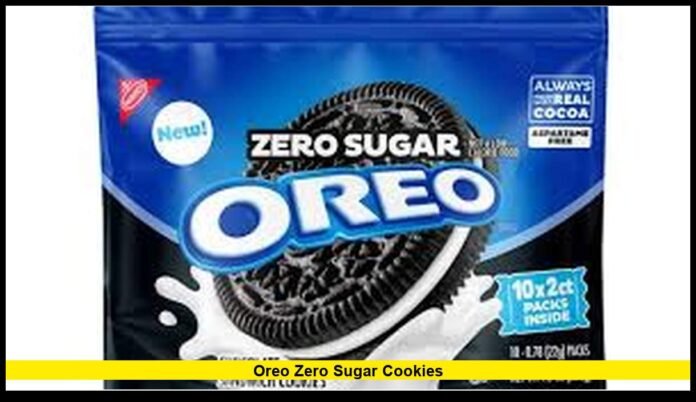

Oreo zero sugar cookies are set to change the cookie aisle in early 2026, and the announcement has already generated strong interest among U.S. shoppers seeking lower-sugar snack options. Oreo confirmed that its new sugar-free lineup will arrive nationwide in January 2026, including both Original and Double Stuf varieties designed to maintain the classic Oreo taste without cane sugar. The update marks a major shift for one of America’s most recognizable cookie brands.
The new offering enters a growing market of reduced-sugar snacks. Oreo aims to deliver a familiar eating experience while relying on a modern blend of sweeteners rather than traditional sugar. This launch follows years of internal product development, with the company focusing on flavor accuracy, texture, and overall consumer satisfaction.
A Major Milestone for the Oreo Brand
The sugar-free release is a landmark moment for Oreo. For decades, the U.S. version of the product has been made with added sugars, even as global markets tested or introduced sugar-free versions. Bringing a permanent zero-sugar option to American shelves signals a commitment to offering more dietary flexibility while keeping the core brand identity intact.
Oreo executives previewed a nationwide rollout through grocery stores, mass retailers, online markets, and convenience channels beginning in January 2026. The plan includes wide distribution from the start rather than limited regional testing, reflecting the company’s confidence in consumer demand.
The introduction of two varieties—Original and Double Stuf—shows Oreo wants fans of both classic versions to have a no-sugar alternative instead of being restricted to a single format. This mirrors the typical approach Oreo uses when launching major new products.
What Makes Oreo Zero Sugar Cookies Different
Oreo zero sugar cookies eliminate cane sugar and instead use a combination of sweeteners and bulking agents that help mimic the flavor and texture consumers expect. The formulation includes maltitol and polydextrose, which provide sweetness and structure, as well as sucralose and acesulfame potassium, two widely used high-intensity sweeteners.
Polydextrose gives body to the cream and wafers so the cookie maintains its signature crunch and filling balance. Sucralose and acesulfame potassium offer sweetness without sugar while keeping calorie counts lower.
The company highlights that the recipe does not contain aspartame, a detail many shoppers consider when comparing sweetener options. By being clear about the ingredient list, Oreo aims to reassure buyers who closely monitor their snack choices.
Nutrition Breakdown and Serving-Size Changes
The nutritional profile of the sugar-free cookies differs from regular Oreos, not only because of the sweeteners but also due to a change in serving size.
A serving of the Zero Sugar variety is listed at 22.6 grams and contains approximately:
- 90 calories
- 4.5 grams of total fat
- 16 grams of carbohydrates
A standard serving of regular Oreos—three cookies weighing about 34 grams—has roughly 160 calories, 7 grams of fat, and 25 grams of carbohydrates, including added sugars.
Because the serving size is smaller for the Zero Sugar version, calorie and carbohydrate comparisons require attention to portion differences. Oreo’s packaging will provide clear nutrition labeling to help consumers make informed decisions.
Packaging Features Designed for Convenience
In a departure from the long-used plastic tray design, Oreo zero sugar cookies will come in a resealable stand-up pouch. This packaging choice reflects growing demand for portable, flexible, and space-efficient food containers.
Some retail descriptions indicate that Oreo may also include small, individually wrapped portions inside the larger pouch for better portion control. While the exact structure may vary by retailer, the shift moves Oreo closer to packaging styles popular in the better-for-you snack category.
The wafers themselves include a newly molded detail: the words “Zero Sugar” pressed into the chocolate cookies. This helps differentiate them from traditional Oreos and provides immediate visual confirmation for shoppers.
Why Oreo Spent Years Developing This Version
Removing sugar from a product that depends heavily on flavor and texture is a technical challenge. Oreo explained that achieving a taste profile close to the original cookie required extensive testing, consumer trials, and ingredient adjustments.
Flavor accuracy was a priority because many shoppers are skeptical about sugar-free sweets. Oreo’s internal teams focused on maintaining the hallmark cocoa balance and cream texture while avoiding aftertastes that sometimes appear in sugar-free formulations.
The company also pointed to strong demand for reduced-sugar snacks, especially among younger buyers seeking “mindful indulgence.” Interest in sugar-reduction trends has grown steadily across the U.S., making the timing of the release strategically aligned with broader consumer habits.
Who Will Benefit Most From the New Cookies
The launch caters to consumers trying to lower their sugar intake while still enjoying familiar treats. Oreo zero sugar cookies are not marketed as a product for medical diets, nor are they promoted as a diabetes-specific food. Instead, they are positioned as a mainstream snack with no cane sugar and fewer calories per serving.
Shoppers who prefer to monitor added sugars, parents seeking alternatives for children’s lunchboxes, and adults looking for portion-controlled indulgences may all find the product appealing.
However, the cookies still contain carbohydrates and sugar alcohols, which may affect individuals differently. Those who closely manage blood sugar or digestive sensitivities should consider the ingredient list carefully.
Ingredient and Sensitivity Considerations
Because maltitol and polydextrose play a key role in the Zero Sugar formula, some users may experience digestive discomfort if they consume large quantities. Sugar alcohols are known to affect tolerance levels differently for each person.
Sucralose and acesulfame potassium are stable high-intensity sweeteners used widely across beverages, baked goods, and packaged snacks. Their presence allows the cookies to maintain sweetness while keeping calories lower.
Consumers with highly specific dietary preferences—such as those avoiding sugar alcohols or artificial sweeteners—should review the label before purchasing to ensure the cookies meet their needs.
The Competitive Landscape
The U.S. snack market has seen rapid growth in low-sugar and zero-sugar options from major brands. Until now, Oreo’s U.S. lineup has been dominated by traditional offerings along with occasional limited-edition flavors.
By launching sugar-free versions as permanent fixtures, Oreo signals a long-term commitment to competing in this segment. The company aims to attract both loyal fans and new shoppers who may have previously avoided regular Oreos due to sugar content.
The choice to release both Original and Double Stuf versions increases the product’s competitive edge, offering a broader appeal from the start rather than a single-recipe rollout.
What Shoppers Should Look For in January 2026
When the product launches, consumers will see a redesigned package with a bold Zero Sugar label and a resealable stand-up pouch. The distinctive wafer imprint will help differentiate the product from the classic cookie.
Because early demand is expected to be high, some retailers may sell out quickly, especially during the first few weeks of distribution. Buyers who want to try the new variety should monitor availability at major grocery chains and online retailers once January approaches.
As with many new products, early reviews and social-media reactions will influence how quickly Oreo expands promotional campaigns and in-store placements.
Taste Expectations and Consumer Reaction
Oreo has emphasized that the Zero Sugar versions were developed to deliver a flavor close to the original cookie. Taste perception varies widely, so buyer reactions will likely depend on individual preferences and familiarity with sugar-free snacks.
Texture plays a major role in the Oreo experience, so maintaining the signature wafer snap and cream smoothness was essential to the development process. Whether consumers find the texture indistinguishable from the original will become clearer after the January launch.
The introduction of a Double Stuf Zero Sugar version may appeal especially to fans of the extra-cream style, a segment that consistently drives strong sales in the traditional Oreo lineup.
Practical Tips for First-Time Buyers
Consumers interested in trying Oreo zero sugar cookies should keep the following in mind:
- Review serving sizes carefully. The sugar-free version uses a smaller serving weight than regular Oreos.
- Watch for sugar alcohol tolerance. Individuals sensitive to maltitol should start with small portions.
- Check the packaging imprint. The “Zero Sugar” mold on the wafers is a visual confirmation of the correct product.
- Store properly. Resealable bags help maintain freshness, but shoppers should still keep the cookies in a cool, dry place.
These steps ensure that buyers have an informed and enjoyable first experience with the new product.
The Bigger Picture for the Snack Industry
Oreo’s decision to enter the sugar-free market with a permanent product line highlights a shift toward more customizable snack options. Major brands are recognizing that consumers want indulgent foods without giving up nutritional goals.
The introduction of oreo zero sugar cookies could push competitors to accelerate their own reduced-sugar innovations. It may also encourage retailers to dedicate more shelf space to products that balance enjoyment with dietary preferences.
As the demand for sugar-reduction options continues to grow in the U.S., Oreo’s move reflects broader changes that are shaping future grocery aisles.
Final Outlook
The arrival of Oreo zero sugar cookies in January 2026 gives American consumers a long-awaited option that blends nostalgic flavor with a modern approach to sugar reduction. With updated packaging, a refined sweetener blend, and both Original and Double Stuf styles available from launch, Oreo is positioning the product as a major addition to its portfolio.
The coming months will reveal how shoppers respond, but the strong anticipation suggests that the sugar-free versions could become staples alongside the classic cookie. For many households, the option offers a way to enjoy a beloved treat while being more mindful about sugar intake.