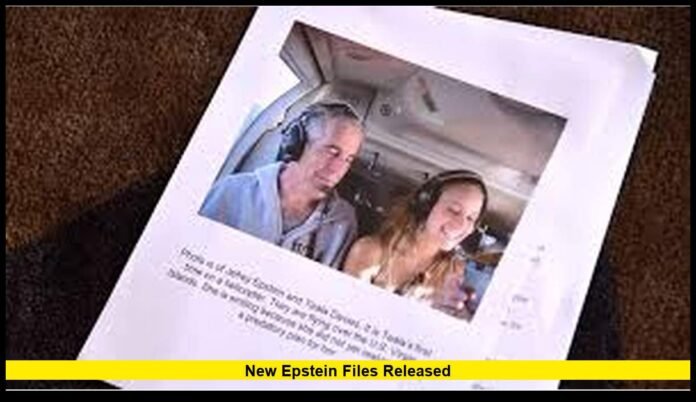

New epstein files released have started coming to light as a result of sweeping federal action that requires the disclosure of previously sealed materials related to the long-running investigations into Jeffrey Epstein and his network. In recent days, a federal judge cleared the way for grand jury transcripts from a 2006–2007 Florida investigation to be unsealed. Meanwhile, lawmakers overseeing the process have already made available vast caches of estate records, property files, photographs, and video — with many more documents expected by the December 19, 2025 statutory deadline.
This development represents arguably the largest public release of Epstein-related government files to date.
What Triggered the Release
At the heart of the current wave of disclosures is the 2025 law known as the Epstein Files Transparency Act. Congress overwhelmingly approved it late November, and it became law on November 19, 2025. The statute mandates that the United States Department of Justice (DOJ) — including its investigative arm, the Federal Bureau of Investigation (FBI) and U.S. Attorneys’ Offices — must publish all unclassified records connected to investigations, prosecutions, detentions, or other relevant matters involving Jeffrey Epstein or his known associates.
Key categories included:
- Grand jury transcripts
- Investigative files and internal communications
- Flight logs, travel records, vessel and aircraft manifests
- Communications naming individuals connected to Epstein’s network
- Corporate, nonprofit, academic, or government entities tied to those investigations
- Internal memos about document retention or deletion, including anything relating to Epstein’s custody or death
The law prohibits withholding records for reputational harm or political sensitivity. Only narrowly defined categories — such as victim privacy, child-abuse imagery, ongoing investigations, or classified national security material — may be redacted. The DOJ must release the materials in a searchable, downloadable format.
A December 5, 2025 court ruling by a Florida judge then affirmed that at least some of these records — including grand jury transcripts — may be unsealed. That ruling cleared one of the most formidable legal barriers to public disclosure.
What Has Already Been Made Public
In the wake of that ruling and under the mandate of the Transparency Act, a number of distinct document dumps have already been released or made available to congressional oversight committees. Among them:
- Grand jury transcripts from the 2006–2007 Florida investigation — once sealed under longstanding grand jury rules — are now authorized for release.
- Estate records tied to Epstein’s properties: financial statements, corporate paperwork, tax documents, bank records, and related materials.
- Visual documentation: formerly private photographs and short videos from Epstein’s Caribbean island estate on Little St. James Island. The materials include interior and exterior shots — rooms, buildings, beaches, docks, and other property areas.
- Asset and travel documentation: flight manifests, travel logs, vessel and flight records tied to Epstein-owned vehicles, aircraft, and boats.
- Names and network mapping: lists of individuals and organizations referenced in connection with Epstein’s activities, as required by the law to be included in the public disclosure (subject to permitted redactions).
The volume of material already released runs into tens of thousands of pages.
What Hasn’t Yet Been Released — But Likely Will Be
Because the law gave the DOJ a 30-day window for the public disclosure, more documents remain under review or awaiting judicial clearance. Among the records expected soon:
- Additional grand jury transcripts tied to investigations, including the 2019 New York sex-trafficking case and later matters related to associates such as Ghislaine Maxwell.
- Internal investigative reports, interview memoranda, witness statements, and related materials gathered over the years.
- Search warrant documentation, property photos (especially from raids and civil suits), and video evidence sometimes believed to exist but never publicly seen.
- Communication logs, emails, directives, and meeting notes from federal prosecutors, agents, or other law-enforcement entities involved in the Epstein matters.
- Complete flight logs — aircraft and yachts — including manifests, pilot logs, itineraries, customs paperwork, and other records tied to Epstein’s travel.
- Financial records and corporate filings tying properties, trusts, foundations, or shell companies to Epstein or associates.
Why This Release Is Historically Significant
- Unsealing Grand Jury Materials: For decades, grand jury proceedings in federal cases were sealed by default. The court’s decision to allow the Florida transcripts to be released marks a rare reversal, made possible by explicit congressional mandate.
- Comprehensive Scope: The Transparency Act covers not just proven charges or prosecutions, but all investigations, intelligence holdings, corporate ties, travel, and property records — giving the public its broadest look yet at Epstein-related activity.
- Accountability and Oversight: With full names, organizations, travel logs and financial ties likely included, the public — along with journalists, researchers, and investigators — may now scrutinize connections once protected by secrecy.
- Justice for Victims: Many survivors have pushed for transparency as a path toward clarity, historical record, and potential justice. The release offers potential insight into how investigations were handled and whether broader networks were involved.
What Remains Uncertain
Despite the unprecedented rollout, several unanswered questions remain:
- Extent of Redactions: The law permits redaction of certain sensitive information — such as victim identities or explicit content. How heavily the DOJ will redact documents remains unclear. Some released materials may include large blacked-out sections, limiting public clarity.
- Judicial Bottlenecks: While the Florida transcripts were cleared, requests related to New York cases (including 2019 and 2021 investigations involving associates) remain under review. Court rulings there may influence what gets released.
- Timeline Pressures: The law sets a firm deadline of December 19, 2025 for unclassified material to be public. That gives DOJ a narrow window, potentially leading to rushed reviews or staggered releases.
- Data Overload: The volume of material — hundreds of thousands of pages, media files, travel logs, financial records — could overwhelm public and media scrutiny. Organizing, indexing, and analyzing the data will be a massive task.
- Legal and Privacy Constraints: Protecting victims’ identities, ongoing investigation data, and classified information may limit what actually becomes accessible. Some insights may still remain sealed.
What People Are Watching Closely
🕵️ Connections to High-Profile Figures
Many expect that among the released records — flight manifests, travel logs, or communications — there could be names of high-profile individuals or entities once linked to Epstein. Because the law prohibits withholding records for reputational or political sensitivity, those records are legally required to be disclosed.
📁 Financial and Corporate Networks
The estate records and corporate filings being released may shed light on shell companies, trusts, foundations, tax-sheltering strategies, or money flows tied to Epstein and his associates. That could expose how properties were financed or maintained, and whether certain institutions were involved.
✈️ Travel Patterns
Epstein owned private planes and yachts, and flight logs and travel manifests are part of the disclosure mandate. These could reveal who traveled with him, when, and where — potentially providing evidence of association or complicity long hidden.
🏝️ Island Estate and Property Footage
Visual documentation — photos and video of Little St. James Island and other properties — provides a window into previously private real estate tied to Epstein. This material may support civil claims, investigative journalism, or academic research into abuse and trafficking patterns.
What This Means for U.S. Readers
For many Americans, the release of all unclassified Epstein files represents a rare moment of transparency in a notoriously secretive case. Expect media, researchers, law-enforcement analysts, and advocacy groups to comb through the data in search of new revelations.
If you follow the developments:
- You may see media headlines uncovering previously unknown individuals connected to Epstein’s network.
- Investigative outlets may publish interactive databases of flight logs, property ownership, corporate ties, and legal filings.
- Advocacy and legal groups could leverage released docs to support victims’ claims or pursue civil and criminal actions.
- Ordinary citizens may find previously unseen details — putting pressure on institutions to confront links that had remained hidden.
How to Track the Releases
- Watch for batch releases from the DOJ after December 5 court approval, especially up to the December 19 deadline.
- Follow congressional oversight committees that received estate records and private files linked to Epstein.
- Monitor news coverage for major disclosures — flight logs, travel lists, property photos, grand jury transcripts, or financial records.
- Pay attention to civil lawsuits or legal filings that may cite newly released material.
Final Thoughts
The arrival of new epstein files released marks a turning point. What once lay behind decades of grand-jury secrecy and closed-door investigations is now being opened for public view. The material — transcripts, financial documents, photos, travel logs, corporate records — could reshape public understanding, fuel legal and journalistic investigations, and provide long-awaited clarity for those who were victimized.
For readers seeking truth and accountability, this is a moment to follow closely.
Let me know what you think — and stay tuned as the revelations continue to unfold.