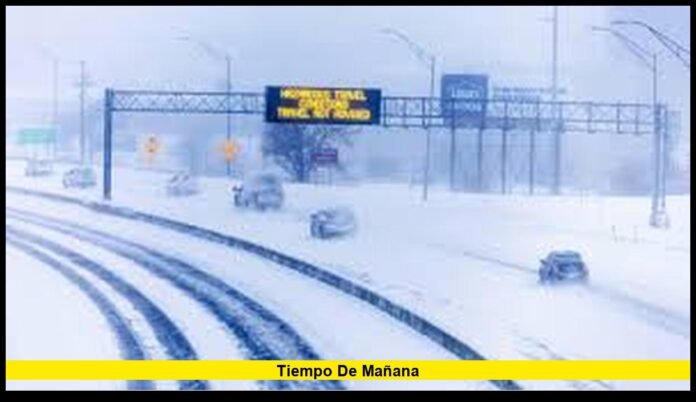

Americans searching for tiempo de mañana are looking for clear, reliable, and up-to-date guidance on tomorrow’s weather conditions. Across the United States, shifting winter systems, a deep cold surge, and incoming Pacific moisture are creating a wide range of impacts that millions of residents should be prepared for. This detailed national outlook explains what different regions can expect, why conditions are developing the way they are, and how communities can stay safe during rapidly changing weather scenarios.
A Nation Facing Multiple Weather Patterns at Once
The United States is experiencing several simultaneous weather events that are shaping tomorrow’s forecast. A surge of Arctic air is pushing deep into the central and eastern states, making temperatures much colder than usual for early winter. Meanwhile, the West Coast is dealing with waves of Pacific moisture that are fueling heavy rain along the shoreline and heavy snow in mountainous terrain.
This combination creates a sharp contrast across the country. Some regions will see dangerous cold, others heavy rain, and others a mix that can quickly turn roads treacherous. The wide range of conditions makes it essential for Americans to stay informed, especially those who plan to travel or work outdoors.
Arctic Cold Tightens Its Grip on the Midwest and Plains
Residents across the Northern Plains and Midwest should prepare for cold conditions that may disrupt daily routines. Temperatures in states such as Minnesota, Wisconsin, Iowa, the Dakotas, and parts of Illinois are dropping sharply as the Arctic air mass continues to intensify.
Wind chills in several areas will feel significantly colder than the actual temperature. Roads that partially thawed earlier in the week are refreezing at night, leading to slippery surfaces, black ice, and increased risk on rural and suburban roadways.
Short, cold bursts of snowfall may develop in areas where lingering moisture interacts with the dropping temperatures. Even small amounts of snow can create dangerous driving conditions when combined with icy pavement. Commuters should plan for slower travel times early in the morning.
The Great Lakes and Northeast Prepare for Bitter Chill
Tomorrow’s outlook for the Northeast is shaped by the same cold surge influencing the Midwest, though the impacts vary by state. Regions near the Great Lakes face the additional challenge of lake-effect snow, which can intensify quickly and reduce visibility with little warning.
Cities such as Buffalo, Cleveland, Rochester, and parts of Michigan’s Upper Peninsula may see rapid changes from clear skies to heavy flurries in a short time frame. These conditions are known for producing sharp, localized hazards that catch drivers off guard.
Farther east in states like Pennsylvania, New Jersey, and New York, the primary concern is the cold itself. When temperatures fall swiftly overnight, surfaces freeze rapidly, creating slick spots on sidewalks, driveways, and lesser-traveled roads. Pedestrians and commuters should use caution tomorrow morning.
The Mid-Atlantic Braces for Freezing Mornings
The Mid-Atlantic region, including Maryland, Virginia, Delaware, and the District of Columbia, will start the day with colder-than-normal temperatures. Some areas may wake up to frost, thin ice on bridges, and slippery patches on elevated roadways.
Even small amounts of moisture from previous days can cause travel trouble when temperatures fall near or below freezing. Residents heading out early should allow extra time and monitor their local forecast for any updates.
West Coast States See Increasing Storm Impacts
While the central and eastern U.S. face severe cold, the West Coast is dealing with a very different challenge. A strong plume of Pacific moisture is projected to bring heavy rainfall to parts of Washington, Oregon, and Northern California.
Coastal regions may experience several inches of rain over a short period, raising concerns about localized flooding, stormwater overflow, and rapid rises in creeks and small rivers. Urban areas with aging drainage systems may face temporary street flooding during peak rainfall.
Inland areas will also experience the effects, but not always in the form of rain.
Mountain Snow Piles Up in the Cascades and Sierra Nevada
High-elevation regions in the Cascades, northern Rockies, and the Sierra Nevada are expecting significant snowfall as moisture collides with colder mountain air. This setup favors heavy accumulation, strong winds, and periods of reduced visibility.
Drivers heading into mountain passes should prepare for:
- Required tire chains or traction devices
- Delays due to plowing operations
- Slippery switchbacks and steep grade hazards
- Possible temporary closures
Ski resorts may benefit from the fresh snowfall, but visitors should remain aware of avalanche advisories and rapidly changing weather. Mountain environments can shift from calm to dangerous in minutes during active winter systems.
Southwest Remains Relatively Stable but Cooler
The Southwest—Arizona, New Mexico, southern Nevada, and parts of Southern California—will see more stable conditions, though temperatures will lean cooler than average. Some desert regions may feel unusually cold at night, especially in typically warmer valleys.
Travelers flying in or out of major airports such as Phoenix, Las Vegas, and San Diego are unlikely to face major weather delays, though ripple effects from storms in other regions could still influence schedules.
Southern States Experience Milder Conditions
The Deep South, including Texas, Louisiana, Mississippi, Alabama, and Georgia, will not experience the same extreme cold as northern regions, but a gentle cooldown is expected. Residents should still prepare for chilly mornings, particularly in northern sections of these states.
Moisture levels are lower across much of the South, limiting widespread rain chances. However, isolated pockets of fog may develop overnight where humidity is slightly higher. Fog can make morning commutes dangerous, particularly on rural highways.
Potential Coastal Impacts Along the Pacific Northwest
Communities along the coasts of Oregon and Washington must watch rising tides combined with heavy rain. In some locations, strong onshore winds may contribute to coastal flooding, beach erosion, and rough surf.
Emergency managers in these areas typically advise residents to avoid shoreline travel during strong storm activity. Conditions on beaches and coastal highways can deteriorate quickly when waves intensify.
Key Travel Considerations for Tomorrow
Travel remains one of the greatest concerns during winter weather events. Even when precipitation is light, rapid temperature drops and hidden ice can transform a routine trip into a hazardous one.
Drivers should keep in mind:
- Reduce speeds during early morning hours
- Use headlights during snow, rain, or fog
- Check tire pressure, antifreeze levels, and windshield fluid
- Carry blankets, water, a phone charger, and emergency supplies
- Prepare alternate routes when traveling through mountain regions
Those flying should monitor airport alerts closely. Winter storms in the Midwest and Northeast can cause delays affecting connections across the country.
Safety Resources for Spanish-Speaking Communities
Many Spanish-speaking families rely on timely information to prepare for weather changes. Public agencies, local broadcasters, and mobile alert systems increasingly offer bilingual updates.
These tools help residents understand:
- Local advisories
- Hazard notifications
- Evacuation instructions
- School and government closures
- Flood or winter hazard warnings
Clear communication remains essential during winter weather, especially in diverse communities where families depend on language accessibility to stay safe.
What to Expect Through the Day Tomorrow
Throughout the day, several regions will experience quick weather shifts. The contrast between moist air in the West and extreme cold in the Midwest and Northeast creates conditions where small changes in temperature can lead to abrupt transitions from rain to snow or from wet pavement to ice.
Residents should check midday weather updates, as forecasts often evolve with new data. Awareness of local conditions is particularly important for those commuting, attending outdoor events, or traveling long distances.
The Importance of Monitoring Local Alerts
While this national overview provides a broad, verified picture of upcoming conditions, localized forecasts remain essential. County-level alerts can detail school closures, road restrictions, flood advisories, and winter weather warnings.
Americans living near rivers, mountains, coastal areas, or rural road networks should keep weather notifications active on their phones. Real-time alerts can give residents crucial minutes to prepare for sudden hazards.
National Summary for el tiempo de mañana
Tomorrow’s weather across the United States will be shaped by several major systems. The Arctic air mass continues pushing cold into the Midwest, Great Lakes, and Northeast. The West Coast faces heavy Pacific moisture, leading to rain, mountain snow, and potential flooding. The Southwest stays relatively calm, while the South experiences mild but cooler conditions.
Millions of Americans will feel at least one impact from these systems, whether it’s freezing temperatures, reduced visibility, icy roads, or heavy precipitation. Staying informed and prepared remains the best protection as winter weather patterns evolve.