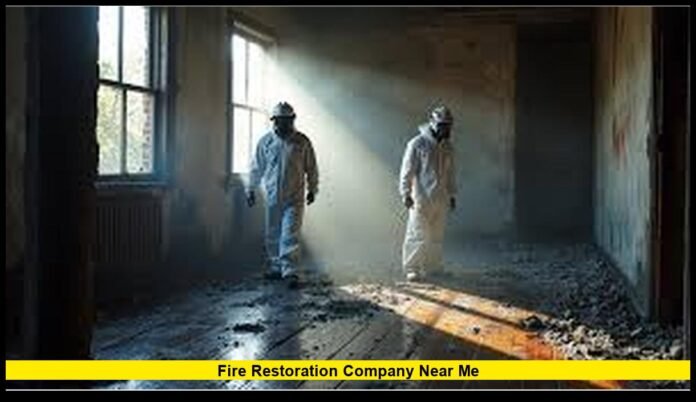

Finding a reliable fire restoration company near me becomes urgent the moment a home suffers fire or smoke damage. Homeowners across the United States face rising repair costs, frequent wildfire-related smoke events, and evolving insurance requirements, all of which make choosing the right restoration partner more important than ever. This long-form guide breaks down the verified practices, industry standards, and homeowner steps that matter right now, offering clear direction for anyone beginning the recovery process.
Understanding Today’s Restoration Environment
The U.S. restoration industry has changed rapidly over the last few years. Companies are adopting new technology, expanding service networks, and refining their emergency-response models. Homeowners now have access to faster inspections, better structural assessments, and safer cleaning methods. At the same time, the work itself has grown more complex as fires increasingly involve synthetic materials, resulting in hazardous soot and lingering odors that demand precise cleanup.
In many regions, large restoration networks are partnering with insurance carriers to deliver quicker estimates and standardized reporting. Local contractors remain essential to the industry, offering specialized knowledge of state building codes, climate-related damage patterns, and permitting requirements. Homeowners benefit from understanding how these two sides—national resources and local expertise—fit together during recovery.
Licensed and Certified Professionals Are Non-Negotiable
A professional restoration team must meet specific qualifications before working on fire-affected structures. Licensing, insurance coverage, and formal certifications protect homeowners and ensure the work meets safety and quality expectations.
Licensing
Each state regulates restoration contractors differently. Some require general contractor licensing for structural repairs, while others require specific registrations for remediation. Homeowners should verify license numbers, confirm that the company is in good standing, and check if any previous violations or complaints have been filed.
Insurance Requirements
A reputable restoration company carries:
- General liability insurance
- Workers’ compensation coverage
- Commercial auto coverage for on-site vehicles
- Additional policies when performing specialized cleaning or hazardous-material removal
Asking for proof is standard practice, and homeowners should feel comfortable confirming coverage directly with the insurer.
Industry Certifications
Fire damage involves more than rebuilding. Professionals must know how to remove soot, treat odors, evaluate structural materials, and clean HVAC systems. Well-trained technicians follow recognized industry cleaning and restoration procedures designed to protect both residents and workers.
What a Fire Restoration Company Actually Does
Many homeowners expect debris removal and structural repairs but may not understand the full scope of restoration work. A comprehensive response typically includes:
1. Safety Evaluation
Before anything else, teams inspect the property for hazards such as unstable beams, electrical problems, compromised roofs, or toxic residue. No cleanup should occur until the site is deemed safe.
2. Emergency Mitigation
Emergency board-up services, roof tarping, and temporary containment limit further damage. These steps protect the home from weather, intruders, and ongoing smoke infiltration.
3. Detailed Damage Assessment
Modern restoration companies often use:
- Moisture-mapping equipment
- Air-quality testing devices
- Drones for exterior roof surveys
- Thermal imaging cameras
These tools help determine the extent of hidden damage that cannot be seen with the naked eye.
4. Debris and Ruin Removal
Crews dispose of burned materials under local regulations. Items may need to be separated into categories such as hazardous waste, recyclable building materials, and salvageable belongings.
5. Soot Cleaning and Surface Treatment
Soot varies depending on what burned. Protein fires, plastic fires, and natural-material fires all leave different residues. Effective cleaning requires tailored methods such as:
- HEPA vacuuming
- Dry sponging
- Wet cleaning
- Soda blasting for brick or concrete
- Specialized detergents for oily residue
6. Odor Removal
Lingering odors come from soot particles embedded in:
- Drywall
- Carpeting
- Insulation
- Furniture
- HVAC ducts
To eliminate these odors, companies may use thermal fogging, ozone treatments, hydroxyl generators, and targeted cleaning protocols.
7. HVAC System Remediation
Fire-affected homes often have soot circulating through vents. Professional cleaning ensures particles do not spread after restoration.
8. Structural Repair and Reconstruction
After cleaning, teams repair drywall, flooring, cabinetry, roofing, and electrical systems. Some companies manage both the cleanup and reconstruction, while others subcontract repair work.
9. Contents Restoration
Homeowners often assume damaged belongings must be thrown out, but many items can be restored. Contents cleaning includes:
- Textiles
- Electronics
- Artwork
- Photographs
- Documents
Restoration facilities use ultrasonic cleaning, freeze drying, and controlled environments to recover salvageable items.
Insurance: Documentation Is Critical
The insurance claim process varies by state, policy type, and carrier. Still, certain steps always improve outcomes.
Record Every Detail
Before cleanup begins, homeowners should document:
- Photos and videos of all damaged rooms
- Close-ups of individual ruined items
- Lists of belongings
- Any temporary repairs required for safety
- Receipts for food, lodging, and emergency purchases
Insurance carriers increasingly request digital uploads, so keeping organized files helps avoid delays.
Request Written Estimates
A professional estimate outlines:
- Emergency services
- Content manipulation and cleaning
- Odor removal
- Structural repairs
- Material replacement
- Estimated timelines
The more detailed the estimate, the smoother the claim process.
Understand Policy Requirements
Insurance policies often contain:
- Smoke-damage coverage guidelines
- Limits on temporary housing reimbursements
- Requirements for using licensed contractors
- Deductible information
- Replacement cost vs. actual cash value terms
Knowing these details prevents misunderstandings during settlement discussions.
The Importance of Fast Response
Time matters after a fire. Delayed cleanup can worsen structural problems and increase costs. Residue from soot becomes harder to remove as it settles, and water used by firefighters can create mold within 24–48 hours.
Homeowners who contact restoration companies immediately gain several advantages:
- Faster stabilization of the property
- Reduced secondary damage
- More accurate insurance documentation
- Quicker return to a safe living environment
Many leading companies offer 24/7 emergency response teams precisely for these reasons.
Technology Is Transforming Fire Restoration
Today’s fire restoration services are more advanced than ever. Several tools and methods now help teams work with greater accuracy and safety.
Drones
Used to inspect roofs and second-story structures without putting workers at risk.
Moisture-Detection Systems
Identify hidden water damage from firefighting efforts.
AI-Assisted Estimating
Enhances speed and consistency when writing insurance estimates.
Eco-Friendly Cleaning Agents
Reduce chemical exposure and improve environmental safety.
Digital Inventory Management
Allows homeowners to track which belongings were removed, cleaned, or replaced.
These innovations shorten timelines, improve documentation, and deliver more reliable results for homeowners.
National vs. Local Restoration Providers
Both types of companies offer distinct advantages.
National Networks
- Larger workforce for major disasters
- Standardized training programs
- Fast mobilization after wildfires or large structure fires
- Strong relationships with insurers
Local Specialists
- Familiarity with local building codes
- Insight into regional climate effects
- Established community reputation
- More personalized service
Homeowners benefit from comparing both types of providers, requesting written estimates, and reviewing recent project examples.
Recognizing Red Flags
Certain behaviors signal that a contractor should be avoided:
- Demands for large upfront payments
- Lack of verifiable license or insurance
- Refusal to provide written contracts
- Vague timelines or incomplete estimates
- Door-to-door solicitation in disaster zones
- Attempts to bypass local building permits
Trustworthy companies are transparent, communicative, and willing to answer questions clearly.
Understanding Costs and Timelines
Fire restoration costs vary greatly based on:
- The size of the home
- The extent of smoke penetration
- Structural damage
- HVAC contamination
- Debris removal needs
- Local permitting requirements
Timelines depend on material availability, inspection schedules, and the severity of the damage. Emergency mitigation often takes a few days, while full reconstruction may last weeks or months. Clear communication between homeowners, insurers, and contractors keeps expectations realistic.
Health and Safety Considerations
Fire damage often exposes residents to dangerous contaminants, including:
- Fine soot particles
- Mold growth from firefighting water
- Chemical residue from burned plastics
- Compromised indoor air quality
Professional testing and proper personal protective equipment ensure safe re-entry. Families with asthma, allergies, or respiratory conditions should wait for official clearance before returning to the home.
A Practical Homeowner Checklist
To stay organized during the restoration process, homeowners should:
- Ensure the property is safe before entering.
- Contact their insurer immediately.
- Document everything with photos and video.
- Request multiple written estimates.
- Verify licenses, insurance, and certifications.
- Ask for a clear timeline and scope of work.
- Save receipts and maintain a claim diary.
- Follow all local safety and permitting rules.
These steps reduce stress and help families move forward confidently.
Long-Term Preparedness
While no homeowner wants to think about future disasters, preparation makes recovery far easier.
- Maintain a digital home-inventory list with photos.
- Review insurance coverage yearly, confirming fire and smoke-related protections.
- Install and routinely test smoke detectors.
- Keep important documents stored safely off-site or in the cloud.
- Identify trusted local contractors before an emergency occurs.
Small steps today can significantly reduce the burden of future fire events.
The Bottom Line
Choosing a dependable fire restoration company near me is one of the most important decisions a homeowner can make after fire damage. With proper verification, timely action, clear documentation, and awareness of modern restoration methods, families can navigate recovery with confidence and return their homes to safe, livable condition.