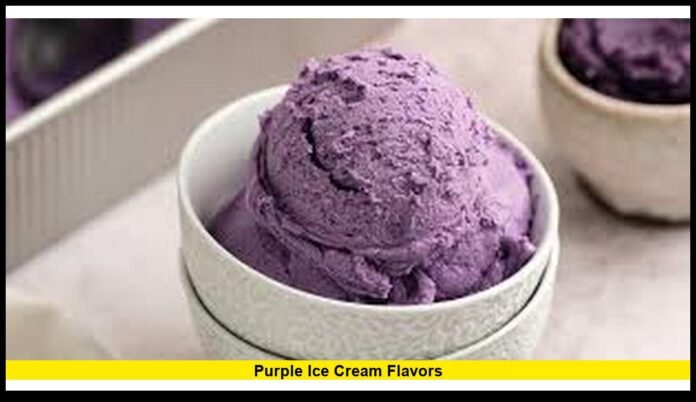

Purple ice cream flavors are becoming one of the most recognizable dessert trends across the United States, appearing in local ice cream shops, grocery freezers, and national chains that are embracing bold colors and globally inspired ingredients. The rise of violet-hued treats reflects a shift in consumer curiosity, a growing appreciation for authentic international flavors, and a desire for desserts that balance taste with visual appeal.
The growing presence of purple desserts signals significant changes in how Americans experience ice cream. Instead of depending solely on traditional flavors like chocolate, vanilla, and strawberry, modern dessert lovers are welcoming vibrant color palettes and flavor profiles rooted in cultural traditions. This shift allows purple ice cream to stand out not only as a novelty, but also as a category that brings depth, creativity, and culinary heritage to the mainstream market.
A Trend Fueled by Color, Culture, and Curiosity
One major reason purple ice cream has captured attention is the strong influence of social media on food choices. Eye-catching colors perform well visually, and purple naturally draws attention in photos and videos. Whether it’s a bright lilac swirl, a deep violet scoop, or a pastel lavender treat, the color creates instant intrigue. That visual appeal becomes a powerful tool for shops competing for visibility.
At the same time, American consumers are increasingly interested in global ingredients. Flavors that originate in the Philippines, Japan, China, and Southeast Asia are becoming familiar to diners who seek authentic, flavorful, and visually striking options. Purple ice cream benefits from this shift because its primary ingredients—ube, taro, purple sweet potato, lavender, and butterfly pea flower—are rooted in cuisines that have recently gained mainstream appreciation in the U.S.
As a result, the trend is not just aesthetic. It represents a broader cultural expansion happening within the dessert world.
Ube: The Star Ingredient Leading the Movement
Among purple ice cream flavors, one ingredient stands at the center of the trend: ube. This Filipino purple yam has become a culinary sensation because of its natural color and subtle, sweet, earthy notes that work beautifully in desserts.
Ube ice cream is especially appealing because it checks multiple boxes for American consumers seeking something unique yet approachable. It has:
- A rich purple color that stands out
- A creamy texture that pairs seamlessly with dairy bases
- A flavor that feels familiar while still introducing something new
Ube’s rise in the U.S. reflects a broader appreciation for Filipino cuisine, which has steadily gained traction over the last decade. Bakeries, food trucks, and ice cream shops across the country are showcasing ube-based desserts ranging from ice cream to donuts, cheesecakes, cookies, latte drinks, and blended treats.
Grocery stores have followed suit by offering ube-flavored pints, mochi ice cream, and non-dairy frozen products. Major dessert manufacturers have even begun adding ube to seasonal or limited-edition lines to capture customers who are actively searching for innovative flavors.
Ube also carries cultural significance for many Filipino Americans who are thrilled to see a beloved ingredient embraced nationwide. This sense of representation contributes to the ingredient’s momentum, making it both a comfort food and a contemporary trend.
Taro and Purple Sweet Potato: A Different Kind of Purple Experience
While ube often takes center stage, taro is a major contributor to purple ice cream’s popularity. Taro has been used in Asian cuisine for centuries, appearing in milk teas, pastries, steamed desserts, savory dishes, and frozen sweets. Its mild, nutty, earthy taste makes it ideal for ice cream.
Taro ice cream is typically less sweet than ube, which appeals to people who prefer subtle, balanced flavors. Its color varies from pastel lilac to soft grayish purple, depending on preparation.
Purple sweet potato adds another variation. Unlike taro, purple sweet potato carries a natural sweetness and density that produces a rich, satisfying ice cream base. It creates a darker violet color that stands out even in mixed or layered desserts. Many shops use roasted or steamed purple sweet potato to achieve deeper flavor and a smooth texture that blends well with dairy and non-dairy bases.
Together, taro and purple sweet potato offer variety within the purple dessert category. Each has a distinct taste profile, making them valuable additions to menus that want multiple purple options instead of relying solely on ube.
Lavender and Butterfly Pea: Botanical Flavors Enter the Spotlight
Not all purple ice cream flavors come from root vegetables. Botanical ingredients have also gained popularity, particularly lavender and butterfly pea flower.
Lavender
Lavender has long been used in artisanal and small-batch ice creams. Its gentle floral aroma pairs well with honey, lemon, vanilla, or cream. It creates a sophisticated flavor that appeals to customers seeking delicate, aromatic desserts rather than bold sweetness. Lavender ice cream typically appears in pastel shades ranging from pale purple to soft violet, depending on the infusion strength.
Butterfly pea flower
Butterfly pea flower has become one of the most visually fascinating ice cream ingredients. Naturally blue, it turns purple when it interacts with acidic ingredients such as citrus. This color-shifting effect makes butterfly pea ice cream both a culinary and visual experience. It has a mild, herbal taste that blends well with fruity or floral additions.
Shops and manufacturers often use butterfly pea to create dramatic menu items that change color when drizzled with lemon syrup, paired with fruit toppings, or layered with contrasting flavors. Its appeal lies in both its natural pigment and its dynamic presentation.
How Purple Ice Cream Gets Its Distinctive Color
Consumers increasingly prefer natural colors in their food, especially in desserts. Purple ice cream gives makers the opportunity to showcase real, plant-based pigments that stand out without relying on artificial dyes.
Common methods used to achieve purple coloration include:
- Pureed root vegetables: Ube, taro, and purple sweet potato blended directly into custard bases
- Jams and pastes: Ube halaya and sweet potato paste for richer color and stronger flavor
- Botanical infusions: Lavender buds and butterfly pea tea for subtle or transformative shades
- Natural extracts: Concentrated plant-based pigments used by large-scale manufacturers
This variety allows shops to create unique shades of purple, from deep royal violet to pastel lavender, depending on ingredients and preparation choices.
Why American Consumers Are Drawn to Purple Desserts
The popularity of purple ice cream flavors connects to several consumer preferences that have emerged in recent years.
1. Cultural Discovery
Americans are increasingly interested in authentic foods from cultures beyond their own. Purple desserts introduce them to cuisines from the Philippines, Japan, Taiwan, China, and Southeast Asia.
2. Visual Appeal
Colorful foods are more likely to be photographed and shared online. Purple stands out against more traditional ice cream colors, giving shops and brands an advantage in digital marketing.
3. Natural Ingredients
Many purple hues come from real plant sources, aligning with the growing demand for clean-label desserts.
4. New Flavor Experiences
Modern consumers want desserts that go beyond standard offerings. Purple ice cream provides fresh, layered flavor profiles without being overwhelming or unfamiliar.
How Shops and Manufacturers Use Purple Flavors to Attract Customers
Ice cream shops across the U.S. have found that offering purple scoops increases customer engagement. People are more likely to try a visually intriguing flavor, especially one associated with trending ingredients.
Shops also benefit because purple ice cream:
- Encourages social media sharing
- Enhances menu uniqueness
- Appeals to younger consumers
- Supports cultural representation
- Works well in seasonal or limited-time promotions
Manufacturers have adopted similar strategies, adding purple ice cream flavors to retail freezers during peak dessert months. Many brands use these offerings to introduce customers to globally inspired products while also expanding their flavor portfolios.
How to Identify Authentic Purple Ice Cream
For customers who want genuine purple ice cream rather than artificially colored versions, several signs can help:
- Ingredient transparency: Look for real ube, taro, or purple sweet potato.
- Color consistency: Natural colors tend to vary slightly, unlike artificial dyes.
- Texture clues: Root vegetable-based ice creams often have a thicker, creamier mouthfeel.
- Shop reputation: Specialty shops, Asian markets, and artisanal creameries are more likely to use authentic preparations.
Shoppers who value true flavor and cultural roots often prefer desserts made with whole ingredients rather than powders or artificial colorants.
Making Purple Ice Cream at Home
Home cooks can easily create purple ice cream flavors in their own kitchens using simple techniques.
Ube:
Blend ube halaya or grated ube with cream, milk, and sugar.
Taro:
Steam or boil taro, puree until smooth, and fold into a vanilla or coconut base.
Purple Sweet Potato:
Roast for deeper flavor, mash thoroughly, and mix into custard.
Lavender:
Steep dried lavender buds in warm cream for a subtle floral note.
Butterfly Pea:
Steep flowers in milk or cream; add a splash of lemon to shift the color.
These methods allow dessert lovers to customize sweetness, texture, and intensity while using natural ingredients.
The Future of Purple Ice Cream in the U.S.
Purple ice cream flavors show no signs of fading. As American palates broaden and global cuisines continue gaining visibility, violet desserts are becoming part of a new standard in ice cream innovation.
Shops and brands may expand purple offerings through:
- Flavor pairings like ube-caramel, taro-brown butter, or lavender-honey
- Seasonal releases tied to cultural celebrations
- Hybrid ingredients mixing botanicals with root vegetables
- Vegan and non-dairy purple ice creams for broader inclusivity
Purple desserts represent creativity, cultural pride, and flavor exploration—all qualities that resonate strongly with today’s U.S. consumers.
A Flavor Trend That Blends Beauty and Taste
Purple ice cream flavors offer more than a visually striking cone. They reflect evolving American tastes, highlight global culinary traditions, and bring artistry to the world of frozen desserts. Whether made from ube, taro, purple sweet potato, lavender, or butterfly pea, these flavors continue to inspire curiosity and delight ice cream lovers across the country.