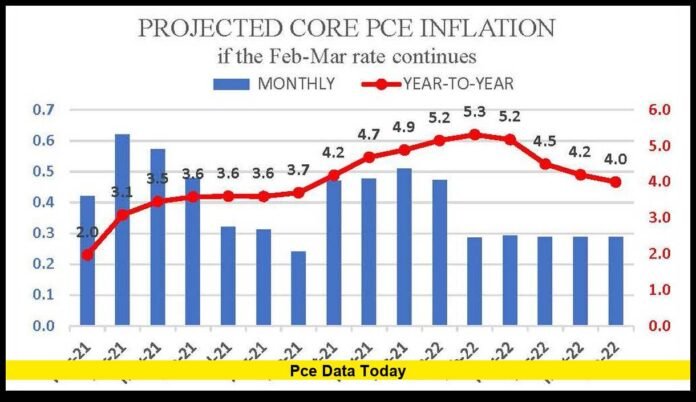

The latest PCE data today holds major significance, as the United States braces for the most recent release of the Personal Consumption Expenditures Price Index. The upcoming report — delivering the freshest read on consumer inflation — is likely to influence interest-rate expectations, markets, and the broader outlook for everyday costs.
Why the PCE data matters
The PCE price index reflects the average prices Americans pay for a wide array of goods and services — from groceries and gasoline to medical care and entertainment. It is compiled monthly by the Bureau of Economic Analysis (BEA) as part of its Personal Income and Outlays report.
Unlike narrower measures, the PCE index offers a comprehensive view of inflation. That breadth, along with its methodology accounting for shifting consumer habits, makes it the preferred inflation gauge for the Federal Reserve. Consequently, any new PCE data release tends to reverberate across financial markets and shape policy expectations.
With the next release on deck, analysts, investors, and households are paying close attention — because if the data surprises on either side, it could affect borrowing costs, investment strategies, and everyday budgeting.
What the latest confirmed PCE data shows (through August 2025)
Until the new report lands, the most recent data — for August 2025 — remains the benchmark:
| Index Type | Year-over-Year Change (as of August 2025) | Monthly Change (Aug 2025) |
|---|---|---|
| Headline PCE Price Index | + 2.7% | + 0.3% |
| Core PCE Price Index* (excludes food & energy) | + 2.9% | + 0.2% |
*Core PCE excludes volatile food and energy prices to reflect underlying inflation trends more accurately.
These readings highlight a persistently elevated inflation environment. The headline 2.7% increase shows overall prices are rising significantly. At the same time, the 2.9% core-price rise underscores that inflationary pressure remains broad-based, not just limited to food or fuel.
PCE inflation has remained stubbornly above the Fed’s long-term 2% target for months, reflecting sustained pressure on consumer costs. That is why the upcoming report — the one covered by “PCE data today” — carries extra weight.
What markets and policymakers are focusing on now
With the new release imminent, here’s what everyone will be watching closely:
- Whether inflation is accelerating or easing. A hotter-than-expected print could erode hopes for near-term interest-rate cuts. A softer reading, by contrast, might fuel optimism about easing monetary policy.
- Core inflation trends. Because core PCE excludes food and energy, it’s viewed as a better gauge of long-term inflation. Markets will scrutinize whether core inflation remains steady or shifts.
- Consumer behavior and real spending. If inflation climbs but spending remains strong, that may point to resilient demand — but it also risks further price pressures. On the other hand, weakening spending could indicate that households are feeling the pinch.
- Impacts on borrowing costs. Mortgage rates, auto loans, and credit card interest rates respond to overall interest-rate levels. The PCE reading could steer expectations for where those are headed.
- Influence on the Federal Reserve’s decisions. With a policy meeting upcoming, the data could shape the Fed’s view on rate changes.
What could different results imply
If the new PCE data comes in higher than expected
- The Fed might postpone or scale back planned rate cuts.
- Bond yields could rise, pushing up mortgage and loan rates, and the U.S. dollar could strengthen.
- Consumers may face mounting pressures on essential costs — groceries, utilities, rent — which could weigh on household budgets.
If the PCE numbers soften or inflation slows
- Markets may regain confidence in a rate cut soon.
- Lower yields could make borrowing more attractive, potentially stimulating housing, auto, and consumer markets.
- Americans might feel a modest reprieve from high prices, improving real purchasing power.
If core PCE stays stable but headline inflation rises (due to food or energy spikes)
- Policymakers might view price pressures as temporary and hold off on tightening.
- But consumers could still encounter real pain with higher costs for essentials.
- Economists may warn that underlying inflation remains sticky, making the long-term outlook uncertain.
Historical context and what it suggests about inflation’s trajectory
Over the past year, inflation as measured by PCE has hovered above the Fed’s target. The current 2.7% headline and 2.9% core readings represent continued pressure. Historically, PCE tends to show softer inflation than more familiar measures like the Consumer Price Index (CPI), due to differences in methodology and the way spending habits are accounted for.
Why does core PCE remain so important? Because food and energy prices often swing up or down due to volatile external factors — but core PCE reflects consistent price shifts across many categories: housing services, healthcare, transportation, and other everyday costs.
Even as some cost categories moderate, services inflation — particularly housing and non-housing services — has kept the core rate elevated. That may suggest inflation isn’t just cyclical but structural.
What to watch immediately when the new PCE data arrives
Once the new data is published the key items to focus on are:
- YoY and monthly changes for both headline and core PCE.
- Price shifts for subcategories: goods versus services, durable versus non-durable, housing services, energy, etc.
- Any signs of acceleration or deceleration.
- Market reactions: bond yields, equity futures, dollar strength.
- Statements from policymakers and economists interpreting the data.
- Implications for rates on mortgages, auto loans, credit cards — which directly impact households.
Why “PCE data today” matters to everyday Americans
When you buy groceries, fill up your car, pay rent, or shop for clothes, you feel the impact of inflation. The PCE data affects those costs.
If prices keep rising, everything from your weekly food bill to rent and loan payments could climb. That means tighter household budgets, delayed big purchases, or scaled-back vacations or discretionary spending.
On the flip side, if inflation slows, your paycheck may stretch a bit farther. Lower borrowing costs could make financing a home or a car easier, giving families a chance to lock in better rates before prices or rates rise again.
What’s at stake for investors, borrowers, and policymakers
- For investors, a hotter PCE reading could prompt a reallocation of assets toward inflation-resistant investments — like inflation-protected bonds, commodities, or dividend-paying stocks.
- For borrowers, especially those seeking mortgages or auto loans, higher yields could push up monthly payments. Lower inflation and favorable PCE data might improve loan affordability.
- For policymakers, the data will influence interest-rate decisions, potentially shaping economic growth, employment, and inflation for months ahead.
Summary: What “PCE data today” may reveal — and why that matters
As the nation awaits the latest PCE numbers, the stakes are high. The upcoming report could confirm if inflation is cooling, remaining stable, or heating up again.
Hard-data findings will help clarify whether price pressures are easing or entrenched. That will inform the direction of interest rates, influence financial markets, and ultimately shape the economic environment for American households.Ultimately, the PCE data remains a central anchor in understanding how much Americans pay for everyday goods and services.
What’s your take? Do you expect inflation to ease — giving some breathing room — or remain stubborn, keeping prices elevated? Feel free to share your view below.