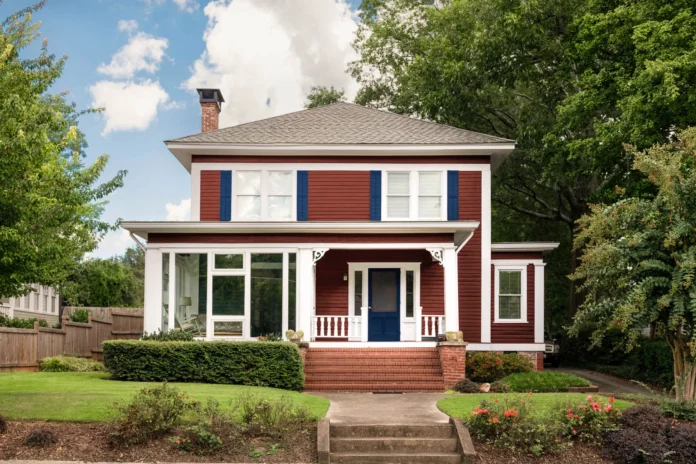

The U.S. housing market is undergoing a measurable shift, and the momentum heading into 2026 is drawing attention from economists, industry professionals, and especially hopeful home buyers. After a long period defined by elevated mortgage rates and steep price appreciation, new data now points toward a market gradually regaining balance. With declining borrowing costs, softer price gains, and improving affordability, Americans looking to purchase a home may finally see conditions tilt in their favor.
Mortgage Rates Continue Their Downward Slide
One of the most influential factors shaping the market is the notable decline in mortgage rates. Throughout 2025, rates steadily eased from previous highs, bringing meaningful relief to prospective buyers who had been priced out by expensive monthly payments.
By early December 2025, the 30-year fixed mortgage rate had fallen to 6.19%. This level represents the lowest point in over a year, signaling a clear cooling trend that experts believe may continue modestly into 2026.
Lower rates offer multiple advantages. Monthly mortgage payments shrink, debt-to-income ratios improve, and qualifying for a loan becomes less burdensome. For households transitioning from rentals, this shift can open doors that were firmly shut in prior years when rates hovered near peak levels.
The 15-year fixed mortgage rate followed the same trajectory, landing at 5.44%. While typically chosen by buyers comfortable with higher monthly payments in exchange for substantial long-term savings, the decline reflects broader financial easing across mortgage products.
These numbers matter because they directly impact buyer confidence. Lower rates not only make homes more affordable but also encourage market participation, creating healthier competition without the frenzied bidding wars of past cycles.
Price Growth Slows but Housing Remains in Demand
Across the country, home prices are still rising, but at a much more tempered rate than in the post-pandemic boom. National data shows that home values increased by about 3.3% year-over-year through the third quarter of 2025. While positive, this growth is far more manageable than double-digit surges seen previously.
Nearly every state recorded price increases, though the pace varied widely. Some regions experienced growth of more than 6%, particularly in areas benefiting from population influx or job expansion. Others hovered near flat, signaling markets that may be leveling out after rapid climbs.
Local market differences remain significant. In some metropolitan areas, affordability concerns continue due to limited inventory or high demand. In others, buyers are seeing steadier prices and more negotiable conditions.
The slowing pace of appreciation is crucial for long-term stability. It indicates the market is cooling in a healthy manner, reducing the risk of an overheated environment while still maintaining equity growth for existing homeowners.
Renewed Momentum for Entry-Level Purchases
One of the clearest indicators of shifting market dynamics is the growing demand for entry-level homes. Throughout 2025, this segment consistently outperformed higher-priced categories as prospective buyers sought more realistic and affordable options.
Younger adults, first-time purchasers, and budget-conscious families are increasingly prioritizing practicality over luxury. Smaller lots, simpler home designs, and suburban or exurban locations are becoming the focus for many who want to enter the market without overstretching financially.
This trend reinforces the importance of affordability. Buyers value manageable payment structures, predictable expenses, and properties that meet essential needs rather than aspirational ones.
With mortgage rates declining, these smaller and moderately priced homes become even more accessible. That combination is expected to fuel stronger demand in the lower and middle tiers of housing throughout 2026.
A Soft Reset Ahead, Not a Dramatic Market Shift
Market analysts widely describe 2026 as a year of normalization. Instead of unstable swings, the housing sector is expected to settle into a steadier, more predictable pattern after years of volatility.
Here’s what current data indicates for 2026:
- Mortgage rates may hover in the low-6% range, with possible dips when economic conditions align.
- Price growth is expected to slow further, potentially landing around 1–2% for the year.
- Wage increases, averaging around 4%, may continue to outpace home price growth, creating incremental affordability improvements.
- Sales volume is projected to tick upward as more buyers reenter the market and some sellers feel confident listing again.
This type of environment benefits both sides. Buyers gain better affordability and stability, while sellers enjoy consistent, if modest, value appreciation without severe downturn risk.
The focus is shifting away from high-volatility markets and toward sustainable growth that supports broader economic health.
Different Buyers, Different Opportunities
Not all buyers will experience the market in the same way. Each group faces its own set of considerations depending on budget, timing, and location.
First-Time Buyers
Those entering the market for the first time stand to benefit the most from easing mortgage rates and slower price growth. The combination reduces upfront and monthly costs, improving overall financial feasibility.
The challenge remains inventory—especially in mid-size cities where demand for affordable homes remains strong. Prepared buyers who act quickly in the right neighborhoods may secure significant long-term value.
Move-Up Buyers
Homeowners seeking more space or amenities may find the market favorable as well. While selling their current property is likely to yield solid equity, purchasing a new home could now come with lower financing costs than during peak-rate periods.
Trade-up moves may become increasingly attractive as families prioritize long-term stability.
Relocators and Remote Workers
Regional variation remains substantial. Some states continue to see faster price growth driven by migration trends and robust labor markets. Others offer more negotiable pricing and ample inventory.
Buyers who can relocate—or who prioritize affordability—may find excellent opportunities in emerging markets, growing suburbs, or smaller cities with strong infrastructure.
Investors
Investors are watching rate movements closely. Lower borrowing costs improve profit margins on rentals and renovated properties. With national demand for rental housing remaining high, investment activity could grow modestly in 2026.
Inventory: The Missing Piece of the Puzzle
Even with more favorable financial conditions, housing inventory continues to shape market dynamics. Many homeowners who locked in ultra-low rates years ago have been hesitant to sell, limiting available options for new buyers.
While 2025 showed improvement in the number of homes listed compared to previous years, supply remains tight in many areas—particularly in the affordable price range.
Builders have attempted to bridge this gap, focusing production on smaller, more cost-effective homes. However, new construction often cannot keep pace with demand in popular regions.
As 2026 unfolds, moderate increases in inventory could significantly improve buyer flexibility, reduce competition, and temper price growth even further.
Regional Data Shows Clear Differences Across the Country
One of the most notable aspects of the current housing landscape is the diversity of market behavior from one location to another.
Some regions—particularly parts of the South and Midwest—offer strong affordability, stable prices, and reasonable inventory. Others, especially in the West and Northeast, continue to grapple with high costs and limited supply.
For buyers open to relocating, paying attention to these differences can unlock opportunities that dramatically change long-term financial outcomes.
Some areas showing promising conditions include:
- Cities with rising inventory levels
- Suburbs benefiting from infrastructure improvements
- Communities outside major metros where remote work remains strong
- Markets experiencing steady but modest population growth
Understanding these regional distinctions is key to maximizing value and minimizing competition.
The Market Outlook: A Window Worth Watching
As positive shifts continue developing, households aiming to purchase a home in 2026 may find themselves in a uniquely advantageous position. Declining mortgage rates, slower—yet still positive—home price appreciation, and a gradually expanding inventory landscape create a more welcoming environment than in several recent years.
While uncertainties always exist—economic conditions can shift, and regional dynamics vary—the overall trajectory leans toward a market that favors informed, prepared buyers.
Those who enter the market early in 2026 may benefit from current rate conditions before additional changes occur. For renters ready to transition or homeowners seeking a lifestyle change, the months ahead could offer rare stability in an often unpredictable housing sector.
The data paints a picture of a market cooling in the right ways: measured, steady, and healthier for long-term participants.
For anyone considering a purchase, the evolving trends of 2026 may offer the clarity and opportunity needed to take the next step with confidence.