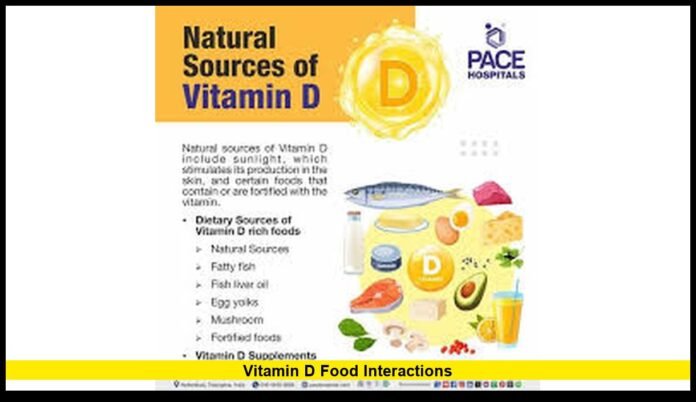

Vitamin D food interactions are gaining more attention in 2025 as Americans look for clearer guidance on how everyday meals affect their vitamin D levels. Many new nutritional updates confirm that vitamin D absorption is strongly influenced by what a person eats, how supplements are timed, and how specific foods interact with one another. With more adults turning to fortified foods and supplements, understanding these interactions has become essential for supporting bone strength, immune function, and overall wellness.
Why Vitamin D Depends on Food Choices
Vitamin D is unique because it behaves differently from many other nutrients. It is fat-soluble, meaning it requires dietary fat to move efficiently through the digestive system and into the bloodstream. When vitamin D is consumed without fat, studies show that absorption can drop significantly.
For U.S. consumers, this is important because many people take vitamin D supplements first thing in the morning with coffee, plain fruit, or low-fat snacks. These eating patterns can limit how much vitamin D the body actually uses. When vitamin D is paired with a balanced meal that contains healthy fats, absorption improves. This includes foods such as eggs, nuts, salmon, tuna, sardines, yogurt, milk, cheese, seeds, nut butters, and avocados.
Nutrition experts continue to stress that vitamin D is not only about taking the correct amount; it is about making sure the body can access it. This is where food interactions play a major role.
Foods That Support Vitamin D Absorption
Certain foods directly assist the digestive process, allowing vitamin D to attach to fat molecules and pass through the intestinal wall more effectively. Many of these foods are already part of traditional American diets, and small adjustments to meal timing can make a noticeable difference.
Healthy Fats
Healthy fats help vitamin D dissolve and become more bioavailable. People who consume vitamin D-rich foods or supplements with meals that contain:
- Eggs
- Cheese
- Fatty fish
- Avocado
- Olive oil
- Nuts and seeds
- Full-fat dairy
tend to absorb more vitamin D. The supporting fats do not need to be heavy or excessive. Even small amounts, like one tablespoon of olive oil or a handful of almonds, can make a meaningful difference.
Fortified Foods
Many foods in the United States contain added vitamin D. These include:
- Milk
- Yogurt
- Orange juice
- Breakfast cereals
- Certain plant-based milks
- Some cheeses and spreads
When these foods are consumed with a meal that includes fat, the added vitamin D is more easily absorbed and used by the body.
Protein-Rich Foods That Include Fat
Foods like salmon, mackerel, and sardines naturally contain both vitamin D and the fats needed for absorption. These foods offer a strong nutritional advantage because the body receives vitamin D in a form that is ready to be absorbed without additional dietary adjustments.
Foods That May Reduce Vitamin D Effectiveness
While many foods support absorption, some combinations can limit how well vitamin D works. These are not harmful foods, but they can interfere with the body’s ability to transport or use vitamin D efficiently. Understanding these interactions helps individuals make smarter choices when planning meals and supplements.
High-Fiber Foods
Fiber is beneficial for digestion, heart health, and weight management, but certain types can bind with minerals and reduce their availability. When vitamin D is taken with a meal high in fiber, the body may not utilize the vitamin as effectively. Foods that may reduce absorption when paired directly with vitamin D include:
- Whole grains
- Bran cereals
- Legumes
- Seeds
- Lentils
- High-fiber vegetables
Spacing out vitamin D intake from these foods can help maintain optimal levels.
Foods Rich in Phytates
Phytates are natural compounds found in grains, seeds, and legumes. They can reduce the absorption of important minerals such as calcium, iron, and zinc. Since vitamin D plays a key role in calcium regulation, phytates may indirectly reduce vitamin D’s ability to support bone health when consumed together.
You do not need to avoid these foods; they are part of a healthy diet. The key is timing. Taking vitamin D earlier or later in the day allows the body to avoid competing processes in digestion.
Oxalate-Heavy Vegetables
Some vegetables contain oxalates, which bind with minerals like calcium. These vegetables include:
- Spinach
- Swiss chard
- Beets
- Certain leafy greens
When vitamin D is consumed with foods high in oxalates, calcium absorption can decline. This affects how vitamin D supports bone strength since the vitamin works closely with calcium. Separating intake can be helpful, especially for people who rely heavily on supplements.
Large Doses of Calcium at the Same Time
Calcium and vitamin D work as a team, but very high doses of calcium taken at the same moment as vitamin D may overwhelm absorption pathways. This can make both nutrients less effective. Many nutrition experts now recommend spacing out large calcium supplements by a few hours to avoid this overlap.
Combining Multiple Supplements at Once
Many adults take several supplements daily, and this can create challenges. Minerals such as iron, magnesium, and zinc compete for absorption. High doses taken together may reduce how much vitamin D the body can use.
Taking vitamin D at a different time of day helps reduce competition and improves nutrient efficiency.
Understanding Modern Fortification and Its Impact
Vitamin D fortification plays a growing role in American nutrition policy. More grocery products now contain added vitamin D, and manufacturers are seeking new ways to ensure that fortified foods deliver stable, usable amounts of the nutrient. Because vitamin D stability depends on its food environment, researchers have closely examined how different food categories hold and release the vitamin.
Some fortified foods are more effective when:
- They are consumed with fats
- They are eaten during meals rather than alone
- They contain naturally occurring nutrients that assist absorption
Consumers sometimes assume all fortified foods work the same way, but absorption varies considerably depending on how the food is prepared and how it is eaten.
For example, fortified cereal eaten dry with water may not deliver vitamin D as effectively as the same cereal consumed with whole milk or yogurt. Similarly, fortified juice taken alone may not provide the same benefits as juice consumed with a breakfast that includes eggs, cheese, or whole-milk yogurt.
These insights have encouraged many Americans to pay closer attention to how they combine fortified foods with everyday meals.
Practical Guidelines for U.S. Adults in 2025
The following recommendations reflect what nutrition specialists currently advise regarding vitamin D and food interactions. These guidelines help increase vitamin D absorption and support long-term health.
• Take Vitamin D With a Balanced Meal
A meal that includes protein, healthy fats, and complex carbohydrates creates an ideal environment for absorption. Breakfast and lunch are often the best times.
• Avoid Taking Vitamin D on an Empty Stomach
Morning coffee or tea alone does not provide the fats needed for vitamin D to be fully absorbed.
• Space Out Competing Supplements
Calcium, magnesium, iron, and high-dose vitamin A or K supplements should be taken separately from vitamin D to ensure optimal absorption.
• Pair Fortified Foods With Healthy Fats
Fortified milk, juice, and cereal offer better benefits when consumed with foods like eggs, nuts, cheese, or avocado.
• Support Digestive Health
Conditions that affect fat digestion can influence vitamin D absorption. People with digestive concerns should pay special attention to how they structure meals and supplements.
• Choose Vitamin D3 When Possible
Vitamin D3 generally raises blood levels more efficiently than other forms when combined with supportive meals.
How Everyday Meal Planning Can Improve Vitamin D Levels
To make the most of vitamin D, U.S. adults can structure meals in simple ways that align with current research. Examples include:
- Eating eggs, cheese, or yogurt at breakfast when taking a daily supplement
- Adding nuts or olive oil to salads when consuming fortified foods
- Including salmon or tuna once or twice each week to naturally boost vitamin D intake
- Timing supplements away from high-fiber meals
These daily habits can gradually improve blood levels and support bone health, immune strength, and energy.
Why Vitamin D Food Interactions Matter in 2025
Vitamin D deficiency remains common in the United States. As lifestyles shift, indoor work increases, and dietary patterns evolve, many adults rely on supplements and fortified products to maintain healthy levels. This makes vitamin D food interactions more important than ever.
Understanding how foods interact with vitamin D helps reduce inefficiencies and ensures that the vitamin is working as intended. This knowledge supports healthier communities, better long-term outcomes, and improved personal wellness.
Conclusion
Vitamin D plays a vital role in overall health, but its impact depends heavily on how it is consumed. By learning how different foods interact with this essential nutrient, Americans can take practical steps to support stronger bones, better immunity, and greater well-being.
Share your questions or experiences in the comments and help others learn how food choices affect vitamin D in everyday life.