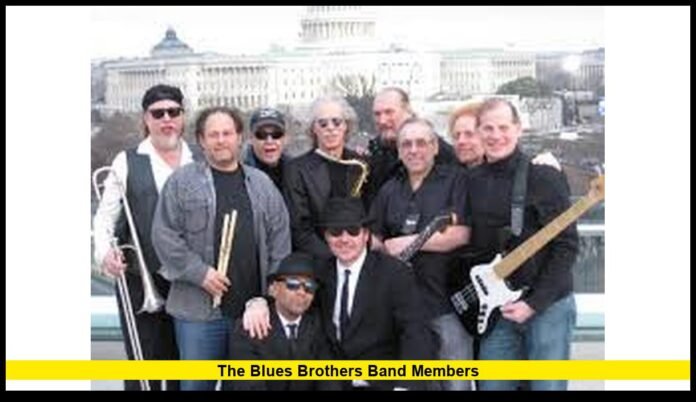

The blues brothers band members have stood the test of time as one of America’s most recognizable and enduring musical collectives. More than four decades after their first appearance, the group continues to represent the spirit of rhythm and blues, blending authenticity, humor, and masterful musicianship. In 2025, the Blues Brothers Band still performs selectively, proving that real music, when rooted in soul and tradition, never fades.
How the Blues Brothers Became a Musical Phenomenon
The Blues Brothers Band began as a fictional act created by comedians John Belushi and Dan Aykroyd on Saturday Night Live in 1978. Yet, the humor of their characters quickly transformed into a legitimate musical powerhouse. Belushi, playing “Joliet” Jake Blues, and Aykroyd, as Elwood Blues, recruited some of the most accomplished session musicians in the United States.
Their debut album, Briefcase Full of Blues, recorded live in 1978, shocked critics by topping charts and selling millions. It wasn’t just a novelty success; it reintroduced classic blues and soul to an American audience that had largely moved toward disco and pop. The band’s authenticity, combined with Belushi’s commanding vocals and Aykroyd’s passionate harmonica playing, brought the raw power of R&B back to the mainstream.
In 1980, The Blues Brothers film solidified their legend. The movie combined comedy with explosive live performances, featuring real blues legends such as Aretha Franklin, Ray Charles, and James Brown. For many young Americans, it was their first introduction to the true sound of Chicago blues and Memphis soul.
Meet the Original Blues Brothers Band Members
The band’s lineup has always been a gathering of extraordinary talent—musicians with careers spanning major labels, recording studios, and world tours. Below is the core list of the original members who helped shape the sound and legacy of the group.
Frontmen
- John Belushi – Vocals as “Joliet” Jake Blues (passed away in 1982)
- Dan Aykroyd – Harmonica and vocals as Elwood Blues (still active)
Instrumentalists
- Steve “The Colonel” Cropper – Guitarist and songwriter; member of Booker T. & the MG’s, one of Stax Records’ foundational acts.
- Donald “Duck” Dunn – Bass guitarist, also from Booker T. & the MG’s; his basslines powered countless R&B classics. (passed in 2012)
- Matt “Guitar” Murphy – Lead guitarist; previously played with Howlin’ Wolf and Memphis Slim. (passed in 2018)
- Lou Marini – Tenor saxophonist; veteran of Blood, Sweat & Tears, and an active performer in 2025.
- Tom “Bones” Malone – Trombone, horn arranger, and multi-instrumentalist; continues to tour and record.
- Alan “Mr. Fabulous” Rubin – Trumpeter; his distinct horn sound was essential to the Blues Brothers’ big-band feel. (passed in 2011)
- Murphy Dunne – Keyboardist in The Blues Brothers film; also a film and television actor.
- Paul Shaffer – Original keyboardist and musical director on Saturday Night Live; still active in live music and television.
- Willie “Too Big” Hall – Drummer and session legend; his groove defined the band’s rhythm section.
This original lineup represented the best of American soul and blues. Each member carried decades of studio experience, contributing to albums by legends such as Otis Redding, Sam & Dave, and Wilson Pickett.
Where the Band Stands in 2025
In 2025, the spirit of the Blues Brothers Band is still alive. Surviving members Lou Marini, Tom Malone, Steve Cropper, and Willie Hall continue to perform together under the banner The Original Blues Brothers Band. Their recent tours in Europe and North America have drawn multi-generational audiences, proving that the music remains as powerful as ever.
Recent activity highlights include:
- 2024 European Tour: Performances across Italy, Germany, and the Netherlands celebrated over 45 years of music history.
- U.S. Appearances in 2025: Special shows in Chicago and New York honored the roots of American blues.
- Tribute Segments: Each performance pays homage to John Belushi, Donald Dunn, Matt Murphy, and other late members who helped build the sound that defined the group.
Dan Aykroyd, now 73, remains deeply connected to the project. Though he no longer tours full-time, he often joins the band for major anniversary events and public appearances. Aykroyd also continues to promote blues culture through his long-running BluesMobile Radio Hour and his involvement with the House of Blues entertainment venues.
The Sound That Shaped American Blues
What makes the Blues Brothers Band unique is its sound—a seamless fusion of Chicago blues, Memphis soul, and classic rock energy. The music carries the weight of history while still feeling immediate and alive.
The horn section, led by Marini and Malone, provides a bright and punchy foundation. Cropper’s sharp guitar riffs cut through each arrangement with precision. Meanwhile, the rhythm section—anchored by Dunn and Hall—creates an irresistible groove that has influenced countless bands since.
Their catalog features some of the most iconic renditions in blues history, including:
- Soul Man
- Everybody Needs Somebody to Love
- Gimme Some Lovin’
- Sweet Home Chicago
- Minnie the Moocher
Each song captures the unfiltered joy of live performance. Even decades later, these tracks remain staples in American pop culture, featured in films, commercials, and television.
How the Blues Brothers Changed the Course of Music History
When the Blues Brothers appeared in the late 1970s, the U.S. music industry was dominated by disco and soft rock. Traditional blues was struggling to find mainstream relevance. The success of Belushi and Aykroyd’s band reignited national interest in rhythm and blues, pushing the genre back into the spotlight.
The 1980 film not only entertained but also educated audiences about the roots of American music. Legends like Aretha Franklin, Cab Calloway, and Ray Charles appeared alongside the band, reminding viewers that these were the real architects of modern pop and soul.
Beyond music, the Blues Brothers influenced fashion and culture. The black suits, fedoras, and sunglasses became a trademark look—instantly recognizable symbols of cool confidence and musical authenticity. That image still appears in parades, tribute acts, and Halloween costumes across the country.
Members Who Shaped the Legacy
Every musician in the band left an indelible mark on the sound of American blues.
- Steve Cropper remains a living link to the Stax era, still performing and recording.
- Lou Marini continues composing and touring, representing the enduring strength of live blues.
- Tom Malone balances work as a bandleader, composer, and touring trombonist.
- Willie Hall occasionally joins reunion shows, keeping the Memphis groove alive.
While several original members have passed on, their influence resonates in each note performed today. Younger generations of musicians often cite the Blues Brothers Band as their first exposure to traditional American blues.
The Blues Brothers in Modern Culture
The influence of the Blues Brothers Band stretches beyond live performances. Their music continues to appear in popular media, from streaming playlists to television soundtracks. On social platforms, fans share clips from the 1980 film and live performances, introducing the band to new listeners.
Even after 45 years, the group’s songs enjoy millions of streams each month. Cover bands across the United States regularly perform their setlists at festivals, keeping the style alive for younger fans. The mix of high-energy horns, tight rhythm, and charismatic stage presence has made their material timeless.
The Blues Brothers have also inspired numerous tribute shows and stage productions, including performances at major blues festivals in Chicago, Memphis, and New Orleans. These events draw both longtime followers and first-time listeners who discover the depth of American blues through the band’s unmistakable sound.
A Continuing Legacy of Real Musicianship
At a time when much of the music industry relies on digital production, the Blues Brothers Band still champions live instrumentation and soulful performance. Every concert features real musicians playing in real time—a tradition that reflects the roots of American blues.
In interviews over the past year, Lou Marini and Steve Cropper have emphasized that the mission of the band has never changed. It’s about honoring the legends who came before them and keeping the music authentic for future generations.
Their shows are more than entertainment; they’re a celebration of an era when music had grit, groove, and meaning. For audiences who attend their concerts in 2025, the experience feels like stepping back into the golden age of American soul.
Timeline of the Blues Brothers Band Members
| Year | Milestone |
|---|---|
| 1978 | First performance on Saturday Night Live |
| 1978 | Briefcase Full of Blues reaches number one on Billboard |
| 1980 | The Blues Brothers film releases worldwide |
| 1982 | John Belushi dies at age 33 |
| 1988 | Band reunites for live performances |
| 1998 | The Blues Brothers 2000 premieres with new members |
| 2011–2018 | Loss of key members Rubin, Dunn, and Murphy |
| 2024–2025 | Active touring lineup continues performances in U.S. and Europe |
The Lasting Power of the Blues Brothers Band Members
More than just musicians, the Blues Brothers Band members represent a living link to America’s musical heritage. Their work bridges generations, showing that the emotion, rhythm, and storytelling power of the blues still resonate deeply with audiences today.
Each live performance is both a concert and a tribute—a reminder of how music born in the streets of Chicago and Memphis grew into a global language.
As of 2025, the Blues Brothers Band remains one of the few acts from its era that continues to perform with its founding members. Their shows attract longtime fans and younger audiences alike, proving that great music doesn’t age—it only grows stronger with time.
The blues brothers band members continue to embody the heart of American blues—authentic, passionate, and timeless. Their music reminds every listener that soul never goes out of style.