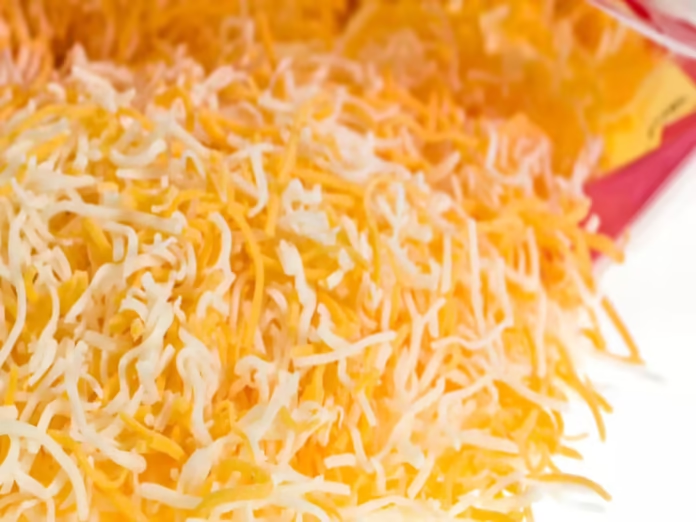

Millions of Americans are being urged to check their refrigerators after a massive shredded cheese recall was announced. The recall affects more than 1.5 million bags of shredded cheese sold nationwide under various store-brand labels. This shredded cheese recall was triggered after authorities discovered potential metal fragment contamination — prompting retailers and regulators to pull products from shelves and warn consumers to take action.
What Happened: A Nationwide Recall Over Safety Concerns
On December 1, 2025, the recall concerning shredded cheese reached what regulators call a “Class II” status. That designation means consuming the affected products may lead to temporary or medically reversible adverse health effects. The recall was initially launched in October after the manufacturer discovered potential metal fragments in raw materials used to produce several shredded cheese varieties. The decision to elevate the risk level came after further internal review and suggests significant concern about possible health implications if the contaminated cheese is consumed.
The recalled cheese was produced by a major dairy supplier and sold under a host of private-label brands at national retailers. Distribution covered a wide swath of the United States — from West Coast states like Washington and California to Southern and Midwest markets — as well as Puerto Rico.
While there have been no confirmed reports of illness tied to this recall yet, the risk posed by metal fragments in food is serious. Medical experts warn that even small fragments could cause injury to the mouth, throat, or digestive tract, and possibly dental damage.
Which Cheese Products Are Affected
The recall covers a broad array of shredded cheese products, including:
- Shredded mozzarella (low-moisture part-skim)
- Italian-style shredded cheese blends
- Pizza-style shredded cheese blends
- Blends of mozzarella and provolone
- Blends of mozzarella and parmesan
These products were sold under dozens of private-label and store-brand names, making identification tricky — especially for consumers who might not pay close attention to brand labels. The cheeses came packaged in bags ranging from small eight-ounce packs up to multi-pound retail sacks.
Because these products were sold through many major grocery chains nationwide, the recall affects shoppers from coast to coast. States impacted include Alabama, Arizona, California, Florida, Georgia, Illinois, New York, Texas, Washington, and many others — as well as Puerto Rico. (Note: distribution covered more than 30 U.S. states.)
Health Risks: Why You Should Take This Recall Seriously
Foods contaminated with metal fragments pose several potential hazards:
- Cuts or lacerations in the mouth or throat
- Dental injuries or damage to fillings
- Choking risk, particularly for children or those with swallowing difficulties
- Internal injuries to the esophagus or digestive tract if fragments are ingested
Because the recall is classified as Class II, the health risk is considered serious but not necessarily life-threatening in all cases. Still, experts advise avoiding consumption of any recalled cheese. The danger lies in the unpredictable nature and possible severity of injuries — even a small fragment can cause significant harm depending on size, shape, and where it becomes lodged or ingested.
Given the physical risks, the safest course is not to eat any cheese that might be part of the contaminated batch. This is especially important for households with children, seniors, or individuals with dental or swallowing concerns.
What You Should Do Right Now: Steps for Consumers
If you’ve recently purchased shredded cheese, follow these steps to ensure your safety:
- Inspect your cheese packaging carefully. Look at the brand or label name — even store-brand names — and check packaging type (shredded mozzarella, Italian-style blend, pizza-style blend, or cheese blends).
- Check bag size and packaging date. The recalled products were sold in various sizes, from small consumer bags to larger multi-pound packs.
- If the product matches any of the recalled types, do not eat it. Either throw the cheese away or return it to the store for a refund — retailers have reportedly removed affected products from shelves.
- If you accidentally consumed some and notice unusual symptoms — such as throat pain, mouth injury, digestive discomfort — contact a medical professional. While no illnesses have been reported publicly yet, potential injury may not be immediately obvious.
- Share the information with family or roommates. Because many store-brand labels are involved, someone else in your household might have picked up the affected cheese without realizing it.
Treat caution as the default — if in doubt, dispose of the product.
Retailers Respond — Products Pulled and Refunds Offered
Major grocery chains and retailers have swiftly removed the affected shredded cheese from shelves across the country. Stores are offering refunds or exchanges, even if consumers don’t have receipts. The manufacturer continues working with regulators to identify all impacted batches and ensure that no contaminated cheese remains in the supply chain.
Because these products were sold under private labels, many consumers may not realize their cheese was part of the recall. Retailers are reportedly posting recall notices in stores and online to alert shoppers to the issue.
Broader Context — Dairy Recalls and Food Safety Trends in 2025
This shredded cheese recall comes amid growing scrutiny of dairy and grocery products for contamination and foreign material risks. In recent months, other cheese varieties and dairy products have been recalled for microbial contamination, quality-control issues, or mislabeling — underscoring a rising trend of safety alerts in grocery supply chains.
With holiday cooking and entertaining season underway, demand for shredded cheese and cheese blends tends to spike. Many consumers stock up on staples like shredded mozzarella and cheese for pizzas, casseroles, and holiday dishes. The timing of this recall is especially disruptive — and serves as a reminder of the importance of double-checking even common pantry items.
Food safety advocates recommend that shoppers pay closer attention to recall notices, particularly for everyday staples such as dairy, shredded cheese, snacks, and pre-packaged foods. Taking a minute to inspect products now could prevent serious health risks later.
What This Means for Consumers — When to Be Extra Vigilant
If you meet any of these criteria, you should be especially careful:
- You bought shredded cheese at a major retailer (including discount stores) between late 2025 and early 2026.
- You cannot remember the packaging brand or only recall a store-brand name.
- You store cheese in bulk — multi-pound bags — or use it frequently in recipes.
- You have children, older adults, or people with dental or swallowing issues in your household.
In these scenarios, the potential risk increases. Treat any shredded cheese that might match the recall as suspect, and dispose of it.
If you plan to buy shredded cheese again soon, consider buying small quantities from trusted suppliers, or purchase cheese in block form and shred it yourself. That adds an extra layer of safety because you’ll know exactly what you’re using.
Looking Ahead — How Recalls Like This Can Shape Grocery Safety
This major shredded cheese recall could prompt tighter oversight across the industry. Suppliers and retailers may increase quality-control checks for foreign materials, and store-brand manufacturers might revise sourcing and packaging practices to prevent similar incidents.
For consumers, this recall is a strong signal to remain alert. Even everyday items like shredded cheese — staples in many households — can carry unexpected risks. As supply-chain complexity grows, vigilance at the kitchen level becomes more important than ever.
In Summary: Key Takeaways
- Over 1.5 million bags of shredded cheese have been recalled due to possible metal contamination.
- The recall affects multiple shredded cheese varieties sold under private-label and store-brand names across more than 30 U.S. states and Puerto Rico.
- Products to watch out for: shredded mozzarella, Italian-style blends, pizza-style blends, and cheese blends with provolone or parmesan.
- Do not eat any suspect cheese — discard or return it for refund.
- Retailers are working with regulators to remove all affected products and offer refunds.
- Consumers should inspect shredded cheese carefully, especially with the holiday season approaching and increased cheese use in home cooking.
Stay alert, check your fridge, and when in doubt — throw it out.